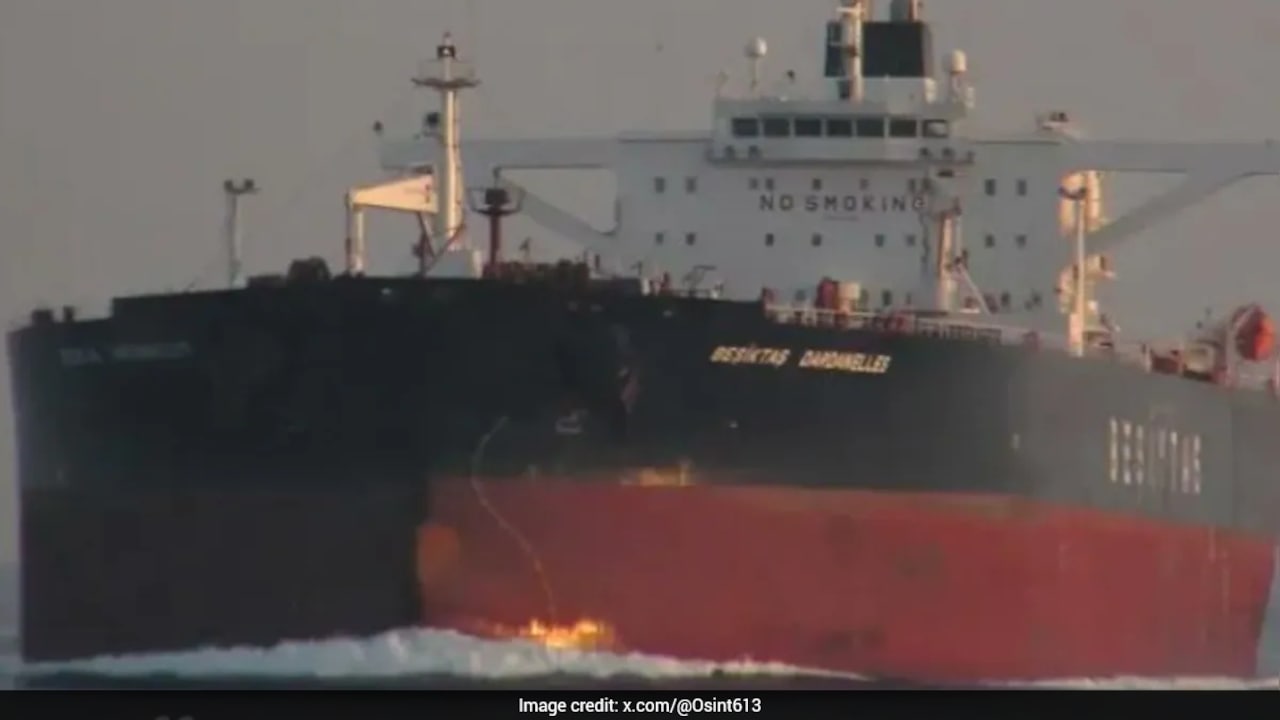
Global shipping faces severe disruption as the interim Middle East peace deal collapses. Iran has targeted another vessel in the strategic Strait of Hormuz, coinciding with the tenth consecutive night of US military strikes.
Key Takeaways
- The fragile interim peace deal has collapsed, reigniting active hostilities in the Middle East.
- A commercial vessel was targeted by Iran in the Strait of Hormuz, stalling vital global trade routes.
- US forces carried out their tenth consecutive night of retaliatory strikes against hostile targets.
The fragile peace in the Middle East has shattered as the interim deal signed last month completely crumbled. In a dangerous escalation, Iranian forces have targeted yet another commercial vessel in the strategic Strait of Hormuz. This maritime assault occurred during the tenth consecutive night of intense United States military airstrikes in the region, raising fears of an all-out regional war.
The collapse of the diplomatic framework has led to a rapid militarization of key shipping lanes. Shipping through the Strait of Hormuz—a crucial chokepoint through which a fifth of the world's petroleum passes—has now largely ground to a halt. As fighting intensifies, both sides have begun targeting critical civilian infrastructure, directly impacting millions of people who rely on these networks for energy and basic resources.
Comparison of the Interim Deal vs. Current Escalation
| Aspect | Interim Deal Period | Current Escalation Status |
|---|---|---|
| Shipping Security | Temporary guarantees of safe passage | Strait of Hormuz shipping is virtually stalled |
| Military Operations | Halt on active strikes and provocations | 10 consecutive nights of US airstrikes and Iranian retaliation |
| Civilian Infrastructure | Commitment to protect non-military assets | Direct targeting of civilian infrastructure by both sides |
Why This Matters
BozokMedia analysis shows that the disruption in the Strait of Hormuz is far more than a regional security crisis; it is a direct threat to global economic stability. If the maritime blockade continues, the sudden spike in crude oil prices could trigger a wave of inflation across both developed and developing nations, complicating central bank policies worldwide.
Furthermore, the shift toward targeting civilian infrastructure marks a dangerous transition from localized military skirmishes to total economic warfare. With diplomatic channels currently frozen, the international community faces the grim prospect of a protracted conflict that could permanently alter geopolitical alliances in the Middle East.
"The disruption in the Strait of Hormuz is not just a regional conflict; it is a global economic shockwave waiting to happen, threatening energy security and supply chains worldwide."
Historical Background
The Strait of Hormuz has historically been one of the world's most sensitive geopolitical chokepoints. Located between Oman and Iran, it connects the Persian Gulf with the Gulf of Oman and the Arabian Sea. It has been a focal point of US-Iran tensions since the 'Tanker War' of the 1980s. The collapse of the recent interim agreement underscores the historical difficulty of maintaining peace in this waterway without resolving the deeper, systemic ideological and political conflicts between Washington and Tehran.
Frequently Asked Questions
Q1: Why is the Strait of Hormuz so critical for global trade?
Answer: It is the world's most important oil transit chokepoint. Approximately 20% of the world's petroleum consumption passes through this narrow strait daily, making global energy markets highly sensitive to any instability here.
Q2: What caused the collapse of the interim deal?
Answer: The agreement collapsed due to deep-seated mutual distrust, continued targeting of infrastructure, and the failure of diplomatic channels to establish a lasting framework for de-escalation.