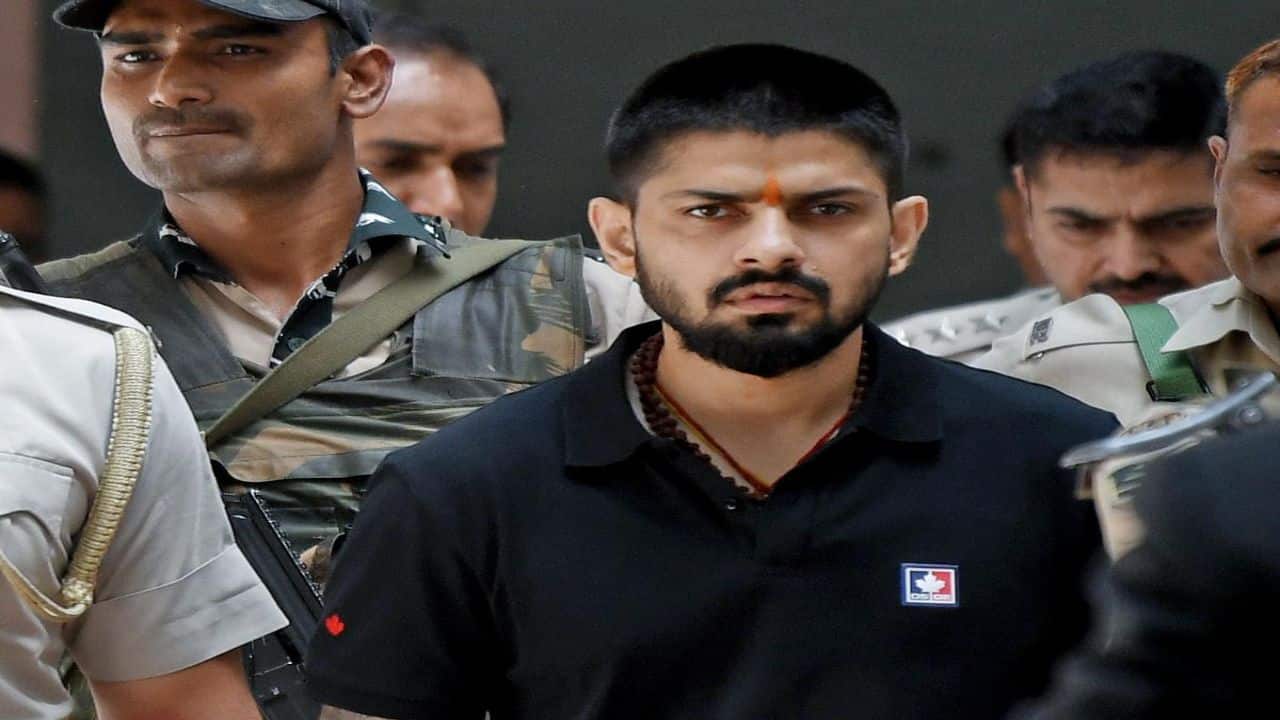
The United States has named gangster Lawrence Bishnoi in a crackdown on transnational crime. If Washington formally asks, India must follow the 1997 extradition treaty, a process that can stretch from months to years.
Key Takeaways
- The US can seek Bishnoi’s extradition, but the legal process may take months or years.
- Under the 1997 India‑US Extradition Treaty, the offense must carry a minimum one‑year prison term in both jurisdictions.
- Political and diplomatic considerations could heavily influence India’s final decision.
The United States has placed Lawrence Bishnoi at the centre of a sweeping crackdown on international organised crime, accusing him of murder, drug trafficking, extortion and other grave offences. Currently incarcerated at Sabarmati Central Jail in Ahmedabad, Bishnoi’s fate now hinges on whether Washington files a formal extradition request under the India‑US Extradition Treaty signed in 1997.
Fundamental Provisions of the Extradition Treaty
The treaty allows either country to request the surrender of a person if the alleged conduct is punishable in both jurisdictions with a minimum imprisonment of one year. A valid request must include the indictment, arrest warrant, factual background, applicable statutes, and evidentiary material. If the individual has already been convicted, a judgment copy or a judicial certification confirming the conviction must accompany the request.
Procedural Timeline and Potential Roadblocks
Extradition proceeds through several layers: a diplomatic note from the requesting state, review by India’s Ministry of External Affairs, judicial scrutiny by the High Court or Supreme Court, and finally executive approval. The speed of the process depends on the government’s stance – a cooperative approach can accelerate the timeline, whereas political objections or legal challenges can stall it for years.
Political and Diplomatic Dimensions
The case carries a geopolitical weight beyond the criminal allegations. U.S. prosecutors allege that Bishnoi, together with Satinderjit Singh (aka Goldy Brar), ordered the killing of Khalistan supporter Hardeep Singh Nijjar in Canada. This intertwines the investigation with India‑US relations, especially given the sensitivities surrounding Sikh diaspora politics. India must balance its sovereign legal processes with the broader diplomatic implications of either handing over or retaining Bishnoi.
Future Scenarios
Should India accede to the extradition request, Bishnoi would face trial in U.S. federal courts, potentially confronting severe penalties for transnational organised crime. Conversely, a refusal would underscore India’s emphasis on domestic jurisdiction and could set a precedent for future high‑profile extradition requests, influencing bilateral law‑enforcement cooperation.