A deadly Ebola outbreak in Congo has claimed over 1,000 lives, driven by the highly contagious Bundibugyo strain. Conflict and lack of medical resources are fueling a rapid spread.
Key Takeaways
- Confirmed Ebola deaths in Congo have crossed the 1,031 mark.
- The Bundibugyo strain currently has no approved vaccines or specific treatments.
- Conflict and community resistance are significantly hindering containment efforts.
- The WHO warns the actual death toll could be 2-4 times higher than official reports.
The Democratic Republic of Congo (DRC) is facing a catastrophic public health emergency as the Ebola outbreak continues to escalate. Dr. Jean Kaseya, Director-General of the Africa Centres for Disease Control and Prevention (Africa CDC), announced that confirmed deaths have surpassed 1,000. The crisis is being driven by the Bundibugyo virus, a strain that is spreading at a rate unprecedented in documented history.
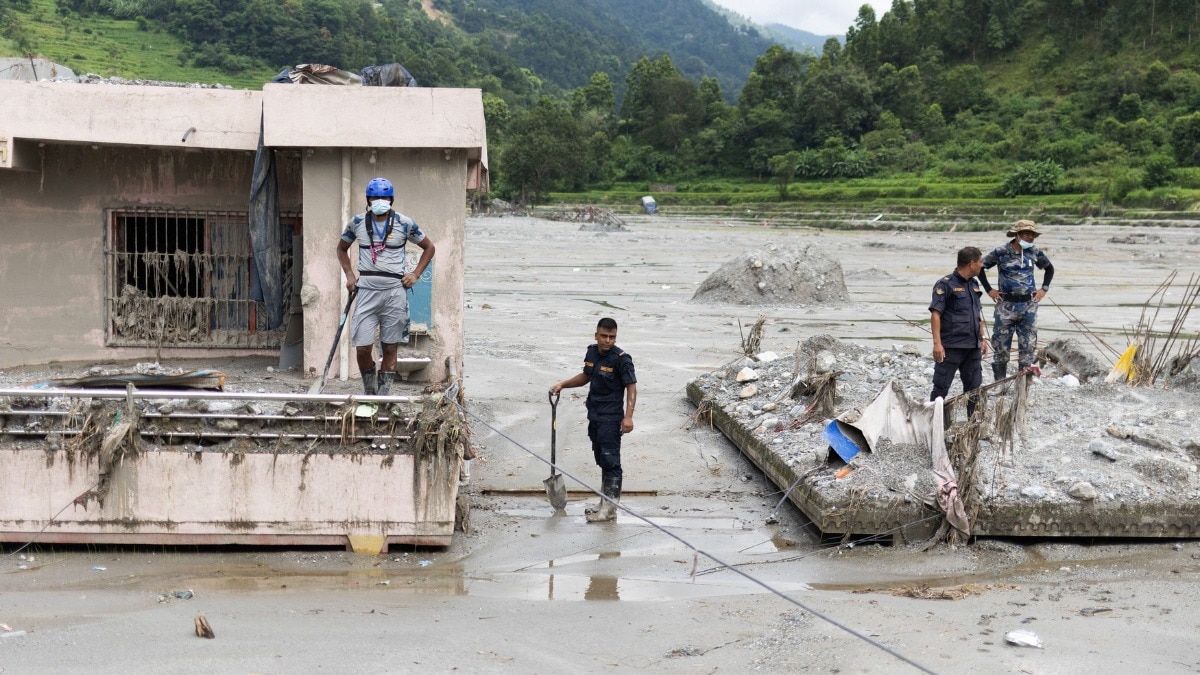
Health officials are struggling to contain the virus, noting that 80% of new cases are appearing outside known transmission chains. This indicates that the virus is moving much faster than contact tracing and medical interventions can manage. The epicenter in the Ituri province is further complicated by ongoing armed conflicts and rebel group activities, making many areas inaccessible to aid workers.
Why This Matters (इसके मायने क्या हैं)
BozokMedia analysis shows that this outbreak represents a critical failure in global health preparedness. The inability to deploy vaccines and medicine in a high-risk zone creates a vacuum that a highly contagious virus can easily exploit. This isn't just a regional issue; the rapid spread of an untreatable strain poses a direct threat to global health security, potentially mirroring the devastating 2014-2016 West African epidemic.
Furthermore, the socio-political instability in Congo acts as a force multiplier for the disease. When civil unrest and distrust in medical authorities intersect, the result is a breakdown in public health protocols. This crisis highlights the urgent need for increased funding and better coordination between international agencies and local governments to prevent a localized outbreak from becoming a global pandemic.
"If we do not stop this outbreak today, it could become one of the worst Ebola outbreaks the world has ever documented." — Dr. Jean Kaseya
Historical Background: Ebola virus disease (EVD) has caused numerous outbreaks since its discovery. The most significant was the 2013-2016 West Africa epidemic, which resulted in over 11,000 deaths. However, the current Congo crisis is uniquely dangerous because the Bundibugyo strain lacks the clinical countermeasures that have been developed for other strains, and the mortality rate is climbing much faster than in previous years.
| Feature | 2013-2016 Outbreak | Current Congo Outbreak |
|---|---|---|
| Total Deaths | ~11,000 | 1,000+ (Rising rapidly) |
| Vaccine Status | Limited/Developing | None available for this strain |
| Spread Velocity | Moderate (8 months to 1,000 deaths) | Extremely High |
Frequently Asked Questions (अक्सर पूछे जाने वाले प्रश्न)
Question 1: Why is the Bundibugyo strain so dangerous?
Answer: It is highly contagious and currently, there are no approved vaccines or specific medical treatments available to combat it.
Question 2: What is preventing health workers from stopping the spread?
Answer: A combination of armed conflict, lack of funding, and resistance from local communities regarding burial practices.