US intelligence agencies are investigating whether Moscow provided technical support or targeting data to Iran during recent drone attacks on CIA facilities in the Gulf.
Key Takeaways
- Iranian drones struck CIA-linked sites in Riyadh, Saudi Arabia, and eastern Iraq in March.
- The US is probing possible Russian involvement in providing targeting data or upgraded drone tech.
- Intelligence suggests the use of Russia's Kometa-M satellite navigation system to enhance drone accuracy.
- The Kremlin has dismissed these allegations as 'fake news.'
The recent drone strikes on secretive CIA facilities in the Gulf have ignited a high-stakes intelligence battle. US agencies are now conducting a covert investigation to determine if Russia played a role in assisting Iran during the attacks. The inquiry follows precision strikes in March that targeted a CIA station within the US Embassy in Riyadh, Saudi Arabia, and another linked site in eastern Iraq.
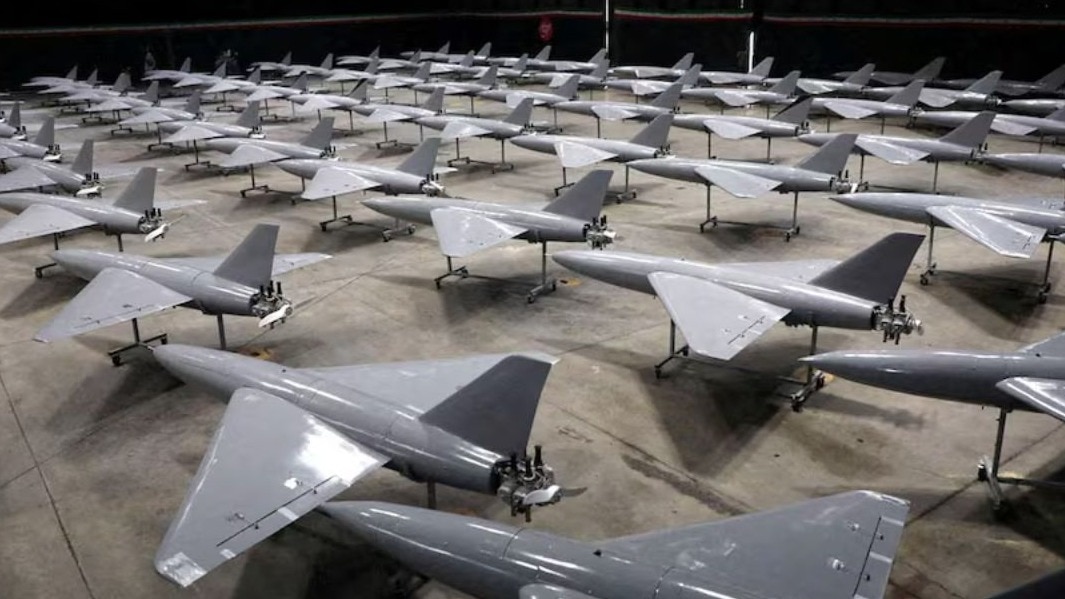
Investigators are scrutinizing whether Moscow provided sensitive targeting information, technical support, or advanced drone systems. According to reports, the unusual accuracy observed during the strikes has raised red flags. Analysts are specifically looking at whether Iran utilized the Kometa-M satellite navigation system, a Russian technology known for being significantly harder to jam than standard GPS equipment.
Why This Matters (इसके मायने क्या हैं)
BozokMedia analysis shows that if Russia is found to have directly aided Iran in targeting US intelligence hubs, it could signal a massive escalation in the proxy war between Washington and Moscow. This isn't just a regional skirmish; it is a direct challenge to the security infrastructure of the United States, potentially shifting the balance of power in the Middle East.
For the global community, this development increases the risk of direct military confrontation and heightens volatility in energy markets. As drone technology becomes more sophisticated through international partnerships, traditional defense measures like electronic jamming may become less effective, forcing a total rethink of embassy and facility security worldwide.
"The precision of these strikes suggests a level of intelligence coordination that goes far beyond Iran's independent capabilities."
One striking detail from the Riyadh attack involved a drone breaching a vulnerable section of the embassy building, allowing a second drone to enter the structure before detonating. While no casualties were reported, the breach of such a high-security zone has sent shockwaves through the intelligence community.
Historical Background
The geopolitical tension between the US, Iran, and Russia is deeply rooted in decades of strategic competition. Since the 1979 Iranian Revolution, US-Iran relations have been characterized by hostility. Meanwhile, Russia has increasingly aligned itself with Iran through military cooperation in theaters like Syria. The transfer of advanced dual-use technologies, such as satellite navigation, has become a centerpiece of this burgeoning strategic axis aimed at countering Western influence.
| Feature | Standard Iranian Shahed | Russian-Enhanced Shahed |
|---|---|---|
| Navigation | Standard GPS/Internal | Kometa-M Satellite System |
| Accuracy | Moderate | High Precision |
| Jamming Resistance | Vulnerable | High Resistance |
Frequently Asked Questions (अक्सर पूछे जाने वाले प्रश्न)
Question 1: What are the specific targets of the US probe?
Answer: The probe focuses on whether Russia provided technical or intelligence support for attacks on CIA facilities in the Gulf.
Question 2: What is the Kometa-M system?
Answer: It is a Russian satellite navigation system that provides high-accuracy guidance for drones, making them harder to intercept or jam.