A deadly Iranian strike on a US base in Jordan has killed three American soldiers, proving that Iran's military capabilities remain formidable despite intense US-Israel air campaigns.
Key Takeaways
- Three US soldiers killed in an Iranian missile attack on a Jordan-based military site.
- Iran's military capabilities have proven more resilient than Pentagon assessments suggested.
- Analysts suggest Russian and Chinese intelligence may be enhancing Iranian missile precision.
- The conflict has escalated with 11 consecutive days of retaliatory strikes.
The geopolitical landscape of the Middle East has shifted dramatically following a precision Iranian missile strike on a United States military installation in Jordan. The attack, which resulted in the deaths of three American soldiers, marks a significant escalation in the ongoing US-Israel war against Iran. This incident shatters the narrative that continuous US air strikes have rendered the Islamic Revolutionary Guard Corps (IRGC) combat ineffective.
Military analysts are sounding alarms regarding the rapid reconstitution of Iranian forces. Jennifer Kavanagh, Director of Military Analysis at Defense Priorities, noted that Iran's military is adapting and learning at an unexpected pace. There is growing concern among intelligence communities that Russia and China may be providing critical technical or intelligence support, allowing Iranian missiles to achieve higher precision and bypass traditional defense layers.
Why This Matters (इसके मायने क्या हैं)
BozokMedia analysis shows that this escalation represents a fundamental shift from localized skirmishes to a high-intensity asymmetric war. For the global economy, a prolonged conflict in the Middle East threatens the stability of energy markets, potentially driving up oil prices and triggering global inflation. The vulnerability of US personnel in fixed bases suggests that the cost of maintaining a military presence in the region may rise significantly.
Furthermore, the perceived failure of advanced defense systems like Patriot and THAAD to prevent these deadly hits creates a strategic dilemma for Washington. If Iran can successfully overwhelm these shields through 'saturation attacks' using drones and cruise missiles, the tactical landscape of Middle Eastern warfare will be fundamentally rewritten, forcing a massive reassessment of US military posture.
Iran's military is not 'combat ineffective'; it is learning, adapting, and striking with increasing lethality.
Historical Background
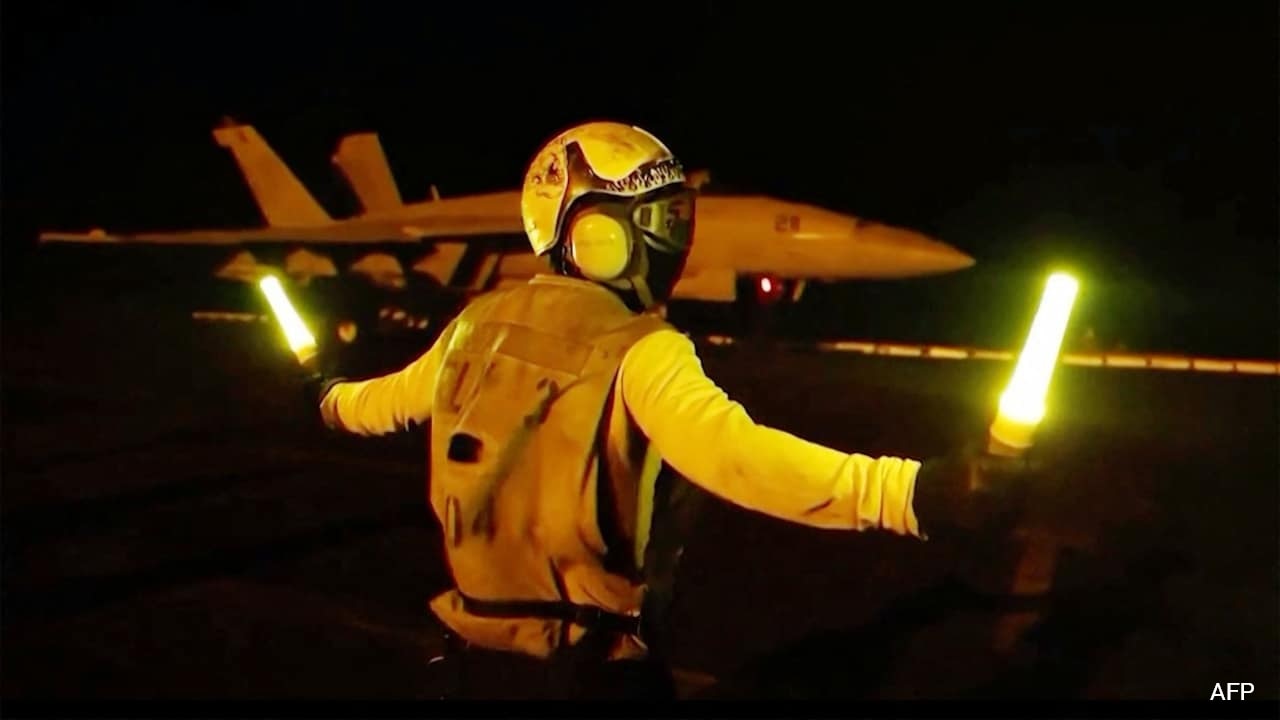
Since the outbreak of the US-Israel war against Iran in early 2026, the conflict has evolved through various phases of escalation. While the US has conducted numerous night-time strikes on Iranian targets, Iran has responded by targeting US assets in Kuwait, Saudi Arabia, and now Jordan. To date, the official US military death toll stands at 18, highlighting the persistent danger posed by Iran's sophisticated arsenal of ballistic missiles and unmanned aerial vehicles (UAVs).
| Aspect | US Defensive Posture | Iranian Offensive Strategy |
|---|---|---|
| Primary Systems | Patriot & THAAD Interceptors | Ballistic, Cruise Missiles & Armed Drones |
| Tactical Approach | Air Superiority & Precision Strikes | Asymmetric Warfare & Saturation Attacks |
| Goal | Degrade Iranian Military Infrastructure | Inflict Casualties & Overwhelm Defenses |
Frequently Asked Questions (अक्सर पूछे जाने वाले प्रश्न)
Question 1: Why are US bases in the Middle East vulnerable?
Answer: Many bases are semi-permanent facilities designed for protection against mortars and rockets, rather than high-precision ballistic missiles.
Question 2: How is Iran improving its missile accuracy?
Answer: Experts believe a combination of technological adaptation and potential intelligence support from Russia and China is driving this improvement.