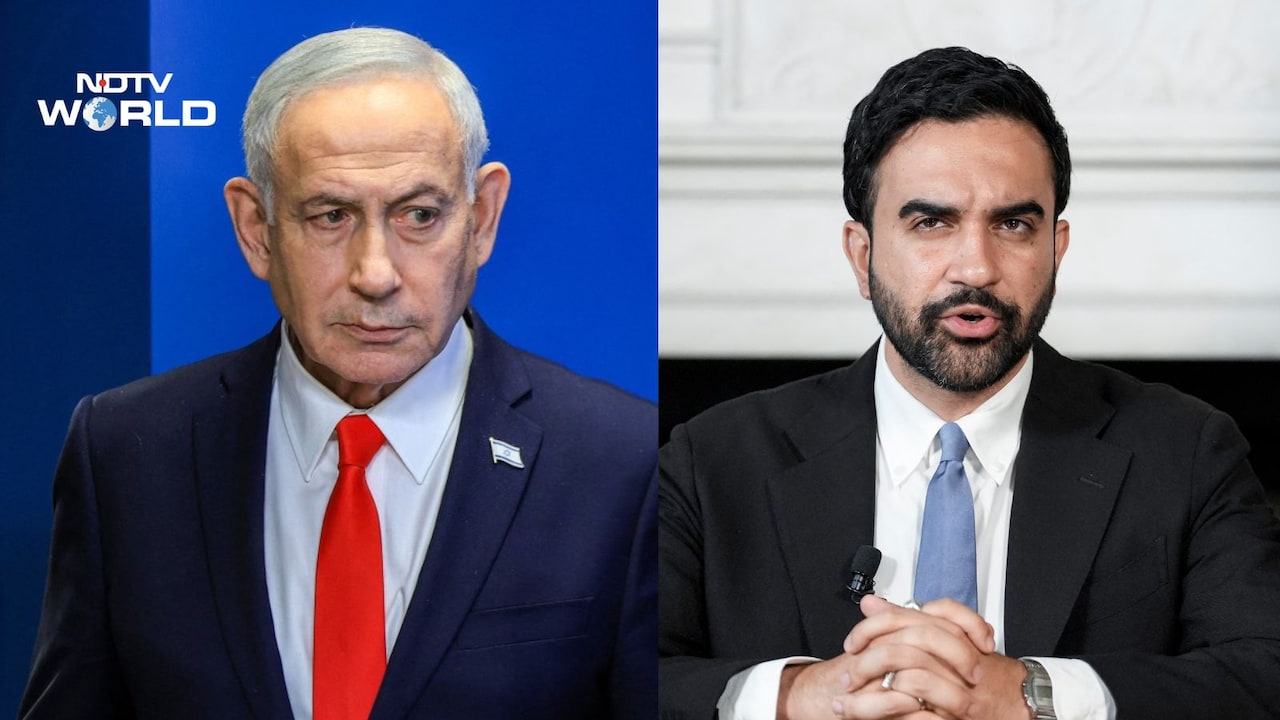
Zohran Mamdani of New York clarified that he cannot arrest Israeli Prime Minister Netanyahu despite the ICC's 2024 arrest warrant, citing lack of jurisdiction under U.S. law.
Key Takeaways
- ICC issued a 2024 arrest warrant for Netanyahu.
- Zohran Mamdani has no legal power to enforce it.
- Israel rejects the ICC's jurisdiction.
The International Criminal Court (ICC) in The Hague issued an arrest warrant in 2024 against Israeli Prime Minister Benjamin Netanyahu, accusing him of alleged war crimes during the Gaza conflict. The warrant is part of the ICC’s mandate to investigate and prosecute serious violations of international humanitarian law. However, several nations, including Israel, have dismissed the court’s jurisdiction, arguing that the matter falls under national sovereignty.
New York attorney Zohran Mamdani stated on Tuesday that he does not possess the authority to arrest Netanyahu. Mamdani emphasized that the ICC’s warrant has no standing within United States legal frameworks, and therefore he cannot act on it. His statement adds another layer of complexity to the already strained legal battle between Israel and the ICC.
Historical Background
Established in 2002 under the Rome Statute, the ICC was created to prosecute war crimes, genocide, and crimes against humanity. Its most notable cases have included figures such as Slobodan Milošević and former Al-Qaeda leader Osama bin Laden. The issuance of a warrant against a sitting head of government like Netanyahu marks a historic escalation, highlighting the court’s expanding reach. Israel has consistently contested the ICC’s authority, citing national security concerns and asserting that its domestic judicial system is sufficient.
Why This Matters
BozokMedia analysis shows that the implications of this dispute extend beyond diplomatic corridors. If the ICC’s warrants gain universal enforcement, it could set a precedent for holding national leaders accountable on a global stage, reinforcing international human‑rights standards. Conversely, widespread rejection of ICC authority may erode confidence in the institution, weakening its deterrent power.
From an economic perspective, prolonged legal uncertainty can affect foreign investment flows, especially in a region already sensitive to geopolitical volatility. Investors monitor such legal developments closely, as they influence risk assessments and long‑term strategic planning.
"The clash between sovereign immunity and international criminal jurisdiction creates a legal vacuum that scholars are still trying to define."
Comparison Table
| Aspect | ICC Position | Israel Position |
|---|---|---|
| Validity of Warrant | Recognized under international law | Deemed invalid, outside jurisdiction |
| Enforcement Expectation | Relies on member states' cooperation | Refuses cooperation with ICC |
Frequently Asked Questions
Can U.S. courts enforce ICC arrest warrants? Currently, U.S. courts do not recognize ICC warrants, so no arrest can be executed under U.S. jurisdiction.
What would happen if Israel accepted the ICC warrant? Acceptance would enable ICC enforcement mechanisms, potentially leading to an arrest and trial, thereby strengthening the court’s global authority.