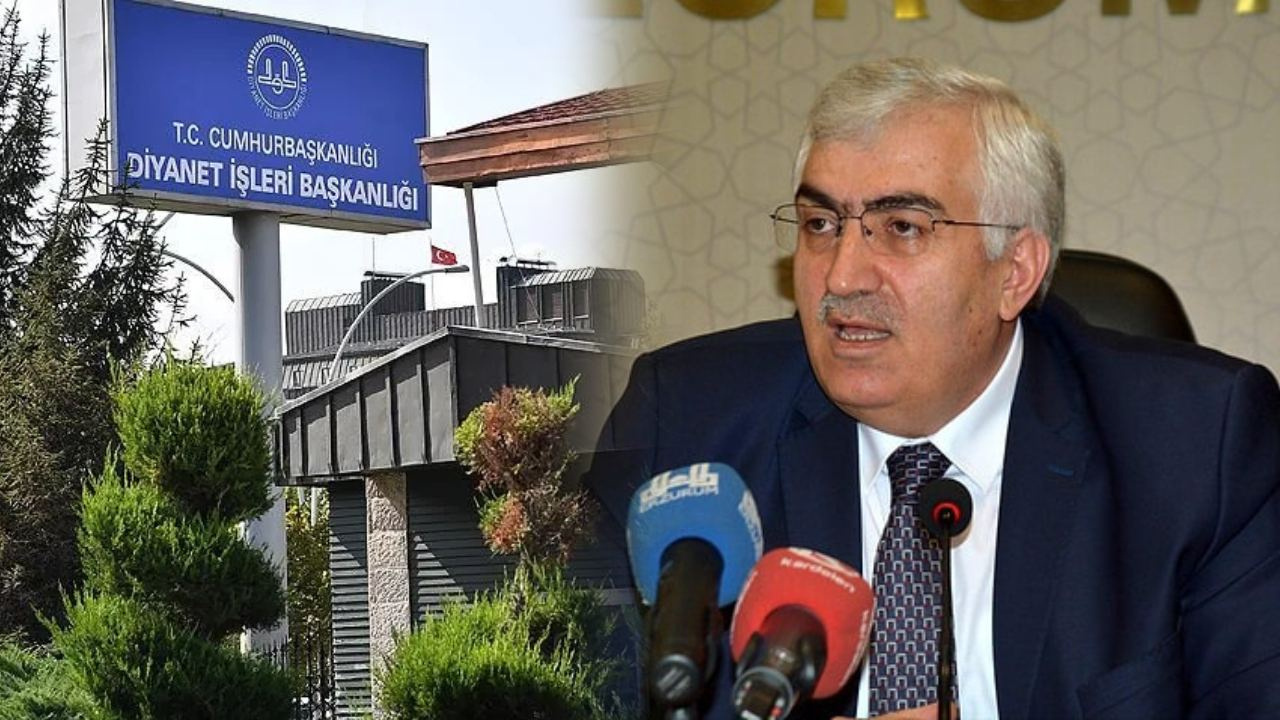
AKP MP Mehmet Emin Öz has criticized Turkey's Directorate of Religious Affairs (Diyanet) for failing to use effective religious language to combat FETÖ before the July 15 coup attempt. He argued that the group's religious facade misled the public.
Key Takeaways
- AKP Erzurum MP Mehmet Emin Öz criticized Diyanet's lack of effective religious rhetoric against FETÖ.
- Öz argued that FETÖ members used religious practices like prayer to mask their terrorist identity.
- Diyanet Deputy President Hüseyin Hazırlar defended the institution, stating they combat 'organized religious exploitation.'
In a heated parliamentary commission meeting, AKP Erzurum MP Mehmet Emin Öz launched a scathing critique against the Directorate of Religious Affairs (Diyanet). The core of his argument was that the institution failed to develop a robust 'religious language' to expose the FETÖ terrorist organization prior to the July 15 coup attempt.
Öz highlighted a critical psychological gap: while the public associates terrorism with a specific profile, FETÖ members maintained a facade of piety, performing prayers and using religious symbols. This, according to Öz, allowed the group to evade immediate social condemnation. He suggested that using historical religious terms like 'mülhit' (atheist/deviant) or 'zındık' (heretic) could have fundamentally altered public perception.
Why This Matters
BozokMedia analysis shows that this debate transcends mere politics; it touches upon the very essence of how religious institutions safeguard national security. When a state-backed religious body fails to provide a moral and theological counter-narrative to extremist groups, it creates a vacuum that bad actors can exploit through 'religious mimicry.'
Furthermore, this incident underscores the immense pressure on Turkey's religious institutions to act as both spiritual guides and ideological defenders of the state. The ability to define 'truth' through a religious lens is becoming a critical component of Turkey's internal stability and political balance.
"The failure to define religious deviance effectively can provide a cloak of legitimacy to those who weaponize faith for political subversion."
Responding to the allegations, Diyanet Deputy President Hüseyin Hazırlar defended the institution's stance. He asserted that Diyanet has been consistent in labeling the group as an 'organized exploitation of religion' and an 'corruption movement' (ifsat). He emphasized that the institution continues to speak truth to power despite the challenges.
Historical Background
The July 15, 2016, coup attempt in Turkey remains a defining moment in modern Turkish history, aimed at overthrowing the government and attributed to the FETÖ organization. Historically, during the Ottoman era, religious scholars often used specific theological terminology to identify and isolate groups that were deemed a threat to the social and religious order of the state.
| Perspective | MP Mehmet Emin Öz's View | Diyanet's Defense (Hüseyin Hazırlar) |
|---|---|---|
| Strategic Approach | Lack of impactful religious terminology | Focus on 'organized religious exploitation' |
| Terminology | Needs historical labels like 'Zındık' | Uses 'Ifsat' (Corruption) and 'Exploitation' |
Frequently Asked Questions (अक्सर पूछे जाने वाले प्रश्न)
Q1: Why did the MP criticize Diyanet?
A: He argued that Diyanet's failure to use strong religious terms allowed FETÖ members to hide their true intentions behind religious rituals.
Q2: What was Diyanet's response?
A: They stated they have been actively fighting the group by defining them as exploiters of religion.