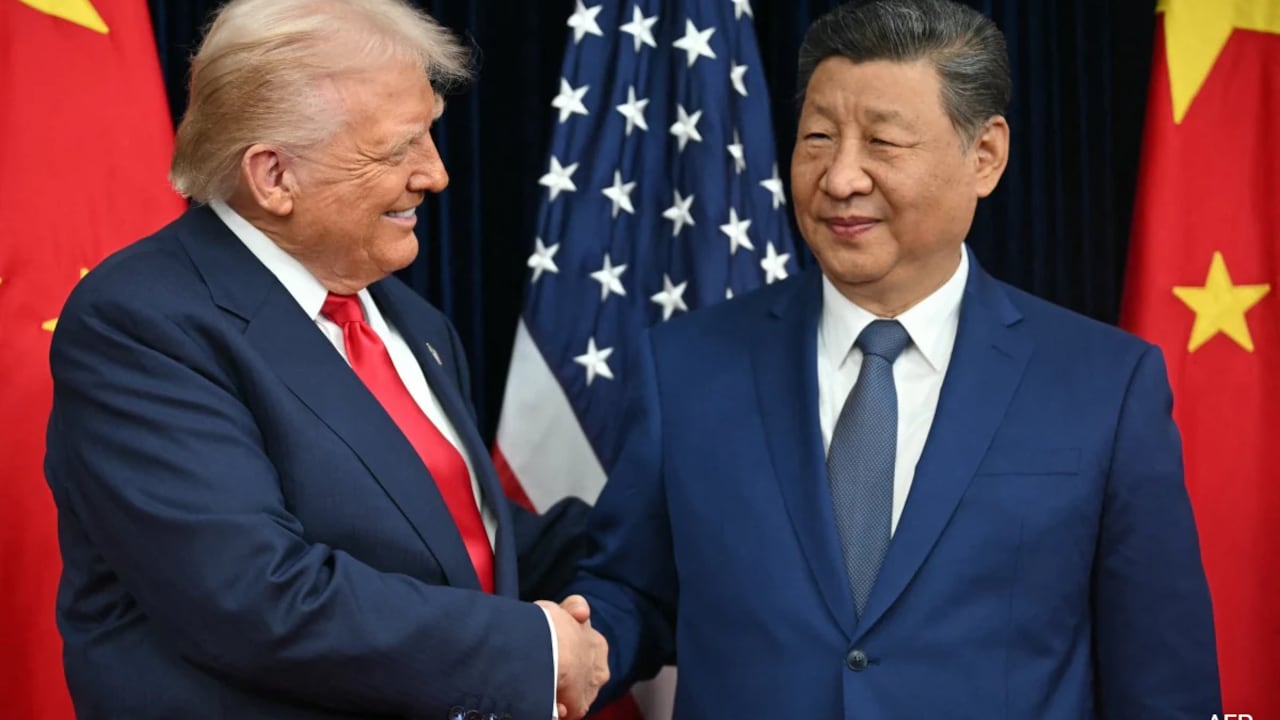
The White House signaled that a September visit by Chinese President Xi Jinping would be viewed as positive. Coming after President Trump's May trip to Beijing, the expected visit could reshape the diplomatic tone between the two superpowers.
Key Takeaways
- The U.S. White House expects a positive outcome from Xi Jinping's September visit.
- The visit follows President Trump's May trip to Beijing.
- Analysts see this as a potential turning point in bilateral relations.
Senator Marco Rubio, speaking after a meeting with Chinese Foreign Minister Wang Yi on the sidelines of a Southeast Asian leaders summit, affirmed that the White House is optimistic about a September visit by President Xi. While no formal invitation has been issued, the comment underscores a growing willingness in Washington to engage Beijing.
Historical Background
U.S.-China diplomatic ties were re‑established in the early 1970s when President Richard Nixon visited Beijing, ending two decades of isolation. Since then, the relationship has oscillated between cooperation and competition, marked by trade surges in the 2000s and heightened tensions over human rights and Taiwan. In May 2023, President Donald Trump made a high‑profile trip to Beijing, reviving dialogue on trade and strategic issues. Xi’s prospective September visit would be the first by a Chinese leader since that trip, potentially building on the momentum generated in 2023.
Rubio’s remarks suggest that the Biden administration aims to balance firm stances on contentious issues with a pragmatic approach to economic and security concerns. A confirmed visit could open channels for negotiations on tariffs, technology transfer, and regional security architectures.
Why This Matters (इसके मायने क्या हैं)
According to BozokMedia analysis, Xi’s visit could stabilise U.S.-China trade, easing supply‑chain disruptions that have plagued global markets. American firms would benefit from clearer tariff regimes, while Chinese exporters could gain more predictable access to the U.S. market.
Beyond economics, the diplomatic engagement could ease geopolitical tensions in the Indo‑Pacific. A constructive dialogue may reduce the risk of miscalculations around Taiwan and foster cooperation on climate change and pandemic preparedness.
"A Xi visit, if managed wisely, offers a rare window to de‑escalate strategic friction, but it must be accompanied by firm expectations on human‑rights and regional stability," says Dr. Emily Chen, senior fellow at the Center for Strategic Studies.
Frequently Asked Questions (अक्सर पूछे जाने वाले प्रश्न)
- When is Xi’s visit expected? No official date has been set, but the White House has indicated a likely timeframe in September 2024.
- What outcomes could the visit produce? Potential outcomes include renewed trade agreements, security dialogues, and a possible easing of tensions over Taiwan and human‑rights issues.