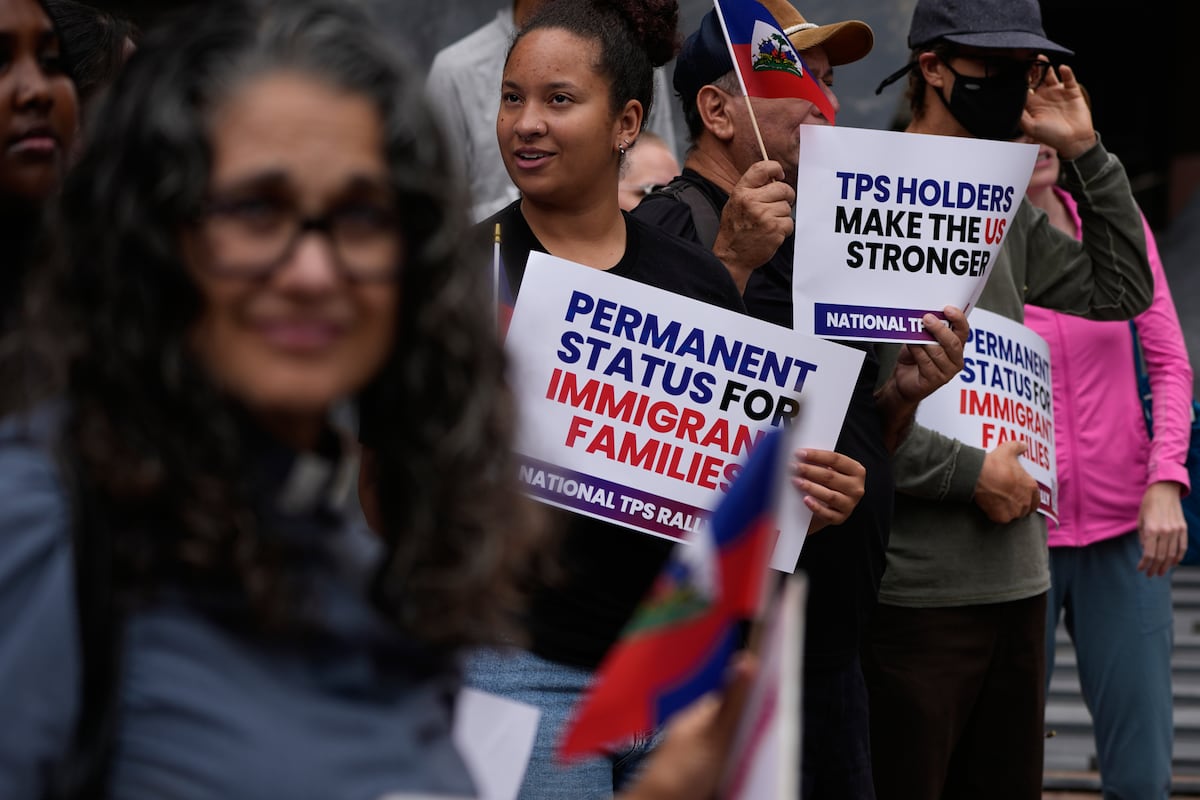
A federal judge has issued an emergency stay against the Trump administration's policies targeting asylum seekers and TPS beneficiaries. The ruling provides immediate relief to thousands of migrants.
Key Takeaways
- Federal Judge Nathaniel Gorton blocked the implementation of controversial immigration policies.
- The ruling halts new asylum fees and the cancellation of work permits for TPS holders.
- The stay provides critical relief for migrants from Haiti and Venezuela.
- A final decision on the long-term legality of these measures is expected by August 5.
In a significant legal blow to the Trump administration, a federal judge has blocked the implementation of policies that impose new hurdles on asylum seekers and revoke work permits for those under Temporary Protected Status (TPS). The emergency order, issued by District Judge Nathaniel Gorton, offers a momentary reprieve for thousands of immigrants whose livelihoods depend on legal authorization to work in the United States.
The dispute centers on the "One Big Beautiful Bill Act," passed in July 2025, which introduced a mandatory $100 annual fee for asylum applicants and sought to eliminate work authorizations for TPS beneficiaries. The coalition of immigrant rights organizations argued that these measures would lead to mass unemployment and immediate deportation risks for vulnerable populations.
Why This Matters (इसके मायने क्या हैं)
BozokMedia analysis shows that this ruling is a pivotal moment for both the American labor market and the humanitarian landscape. By preventing the sudden revocation of TPS permits, the court is stabilizing a workforce that is integral to sectors ranging from healthcare to agriculture. A sudden mass loss of work authorization would not only trigger a humanitarian crisis but also cause significant economic disruptions due to labor shortages.
Furthermore, this decision highlights the ongoing tension between the executive branch's hardline immigration agenda and the judicial branch's role as a check on power. As the administration continues to push for stricter borders, the courts remain the final frontier for those seeking to defend the rights of non-citizens under existing legal frameworks.
"This court decision ensures that thousands of families do not lose their livelihoods while the legality of these policies is being determined."
Historical Background
Temporary Protected Status (TPS) was established by the U.S. Congress in 1990 to provide temporary relief to nationals of designated countries experiencing ongoing armed conflict, environmental disasters, or extraordinary temporary conditions. Over the decades, TPS has been a lifeline for thousands from nations like Haiti, Venezuela, and El Salvador, though it has frequently become a political football in Washington D.C.
| Policy Area | Trump Administration Proposal | Current Court Ruling |
|---|---|---|
| Asylum Fees | Mandatory $100 annual fee | Suspended/Blocked |
| TPS Work Permits | Revocation of authorization | Maintained/Protected |
| Primary Impact | Broad restrictions on all migrants | Immediate relief for Haiti/Venezuela |
Frequently Asked Questions (अक्सर पूछे जाने वाले प्रश्न)
Question 1: How long does this emergency order last?
Answer: The order is valid until August 5, when the judge is expected to rule on a long-term injunction.
Question 2: Which nationalities are most affected by this ruling?
Answer: While it affects all asylum seekers, it provides specific, critical relief to Haitians and Venezuelans.