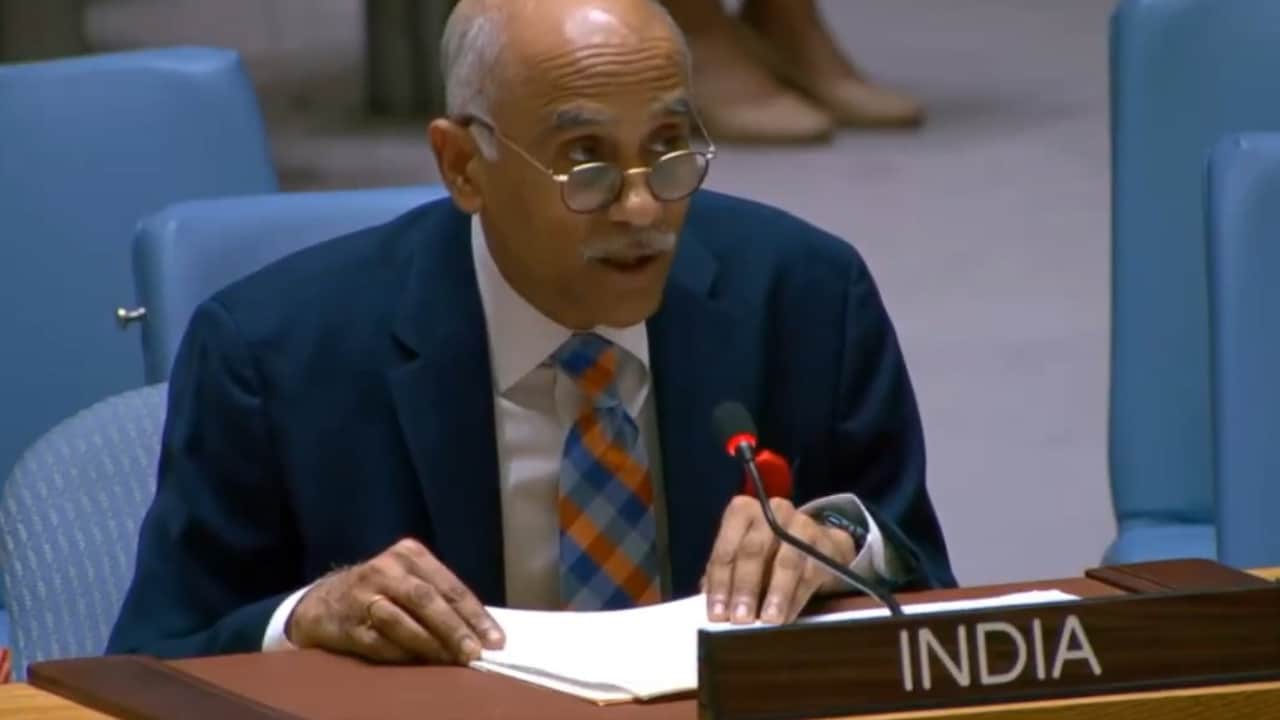
Van has launched a fierce condemnation of Israel's recent policies, sparking debate about a possible split between President Trump and Prime Minister Netanyahu over Iran. The controversy could reshape regional security dynamics and energy markets worldwide.
Key Takeaways (मुख्य बिंदु)
- Van delivers an unprecedented criticism of Israel
- Potential divergence between Trump and Netanyahu on Iran policy
- Implications for regional stability and global energy prices
Van, a well‑known commentator on international affairs, stunned the diplomatic community this week by labeling Israel's latest actions as "attimarik" (horrific) and questioning whether President Donald Trump and Israeli Prime Minister Benjamin Netanyahu are drifting apart on Iran. Such a blunt statement is rare from Van, whose previous remarks have typically stayed within diplomatic norms.
The timing of Van's remarks coincides with escalating tensions between Israel and Iran, especially concerning nuclear ambitions and proxy conflicts across the Middle East. While the Trump administration has historically maintained a strong pro‑Israel stance, it also adopted a hard‑line approach toward Tehran, withdrawing from the 2015 nuclear deal in 2018. Netanyahu, meanwhile, has signaled a willingness to explore back‑channel talks with Iran, a shift that could create friction with Washington.
Historical Background
The Israel‑Iran rivalry dates back to the 1979 Islamic Revolution, when Iran declared Israel an enemy and repeatedly called for its elimination. The 2000s saw a brief thaw with the Joint Comprehensive Plan of Action (JCPOA), but Trump's 2018 exit from the agreement reignited sanctions and heightened regional anxieties. During this period, Israel accelerated its own nuclear capabilities and sought increased U.S. military aid, reinforcing the strategic partnership with the United States.
Why This Matters (इसके मायने क्या हैं)
BozokMedia analysis shows that Van's criticism could prompt a reassessment of Israel's diplomatic posture, especially if a genuine split emerges between Trump and Netanyahu on Iran. A realignment would affect not only security calculations in the Middle East but also global oil prices, influencing economies from India to Europe.
For ordinary citizens, the ripple effects could manifest as higher fuel costs and heightened market volatility. Investors may shift portfolios away from energy‑intensive sectors, while policymakers might need to revisit trade and energy security strategies.
"Van's remarks are more than a personal opinion; they signal a possible shift in the underlying alliance structures," says international security scholar Dr. Anjali Sharma.
Frequently Asked Questions (अक्सर पूछे जाने वाले प्रश्न)
Q1: Could Van's criticism actually influence Israel's foreign policy?
A: While one commentator cannot dictate policy, the amplified media attention may pressure decision‑makers to reconsider their approach.
Q2: What are the possible consequences of a Trump‑Netanyahu rift over Iran?
A: A deeper divide could reshape the U.S.–Israel alliance, potentially altering power balances and diplomatic engagements across the Middle East.