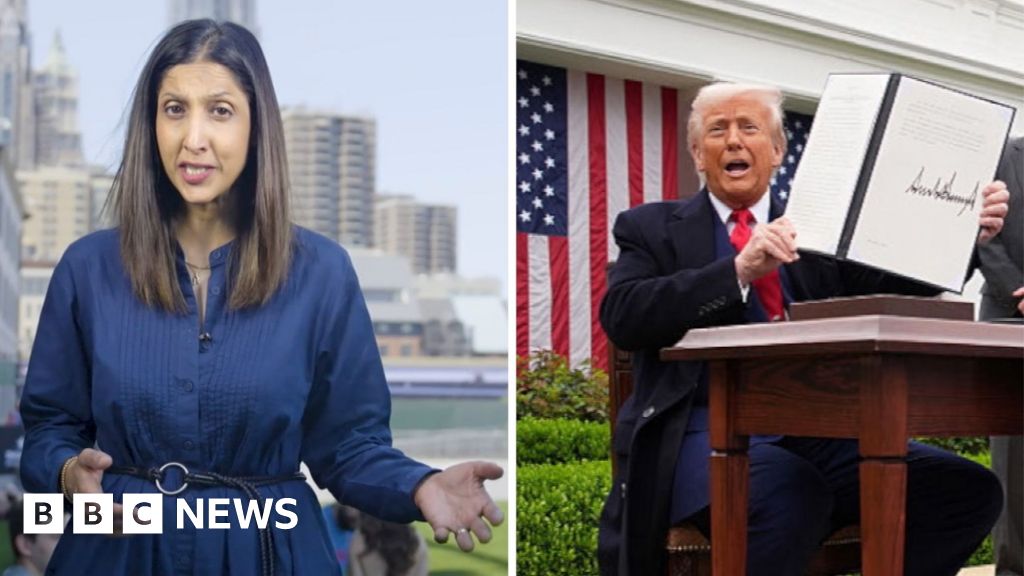
As President Trump implements a new wave of import taxes, the debate intensifies over who truly pays the cost. BBC's Samira Hussain explores whether these tariffs will protect US industry or drive up consumer prices.
Key Takeaways
- President Trump has enforced a new round of import tariffs.
- Economists are debating if the cost burden falls on US households.
- The primary goal is to protect domestic industries from foreign competition.
Tariffs have once again taken center stage during President Donald Trump's second term. A fresh wave of import taxes has officially come into force, sending ripples through global markets and sparking intense economic debate across the United States.
The Consumer Burden: Who Pays the Price?
A critical question being raised by economists is whether US households are indeed facing a 1.5% increase in costs due to these measures. While the administration aims to bolster domestic manufacturing, the practical reality often involves importers passing these additional costs directly to the end consumer.
Why This Matters
BozokMedia analysis shows that these tariffs are not merely isolated tax measures; they are strategic tools that can reshape global supply chains. The ripple effect of these taxes can influence everything from retail prices to international diplomatic relations.
Tariffs act as a protective shield for local industry but often function as a hidden tax on the domestic consumer.
Historical Background
Historically, the United States has used tariffs to shield emerging industries from foreign dominance. However, in an era of hyper-globalization, where components for a single product may cross multiple borders, the implementation of heavy tariffs can lead to complex inflationary pressures and retaliatory trade measures from global partners.
Frequently Asked Questions
1. How do tariffs affect everyday shopping?
When import costs rise, retailers often increase the shelf price of goods to maintain profit margins, leading to higher costs for consumers.
2. Can tariffs lead to a trade war?
Yes, trading partners often respond to US tariffs by imposing their own taxes on American exports, creating a cycle of retaliation.