The United States and Saudi Arabia’s new nuclear agreement revives concerns over Pakistan’s historic proliferation activities. This piece examines the historical context and future implications for regional security.
Key Takeaways
- The US‑Saudi nuclear pact raises fresh worries about Pakistan’s past proliferation network.
- A.Q. Khan’s operation supplied nuclear material to Libya, North Korea and Iran.
- The Pakistan‑Saudi defence pact could enable Saudi access to nuclear expertise.
Introduction
The United States and Saudi Arabia signed a landmark nuclear agreement on July 22, allowing Saudi Arabia to enrich its own fuel without the usual international oversight. This move has reignited scrutiny of Pakistan’s notorious nuclear proliferation history.
Historical Background
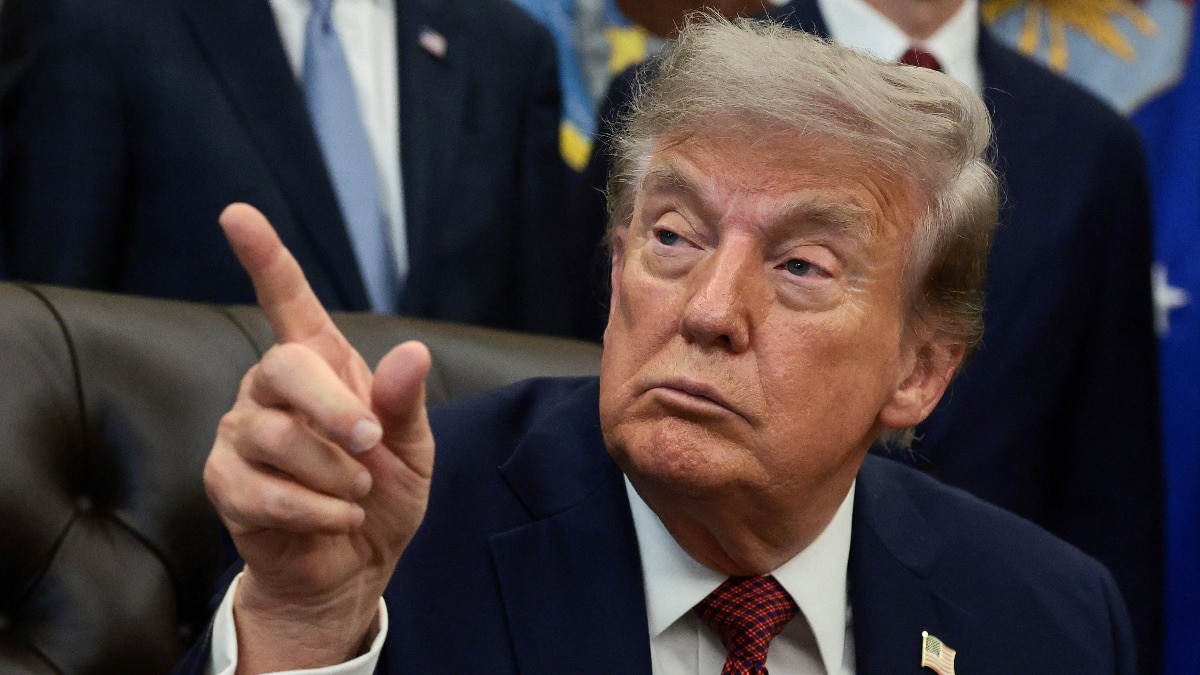
In 2001, President George W. Bush stood beside Pakistan’s President Pervez Musharraf to announce the Indo‑US civil nuclear deal. Simultaneously, evidence emerged of A.Q. Khan’s network, which had sold uranium enrichment centrifuges, bomb designs, and nuclear material to Libya, North Korea and Iran.
The network operated with state resources, including the Pakistan Air Force’s transport aircraft, to ship centrifuges across continents. It was only after Libya voluntarily abandoned its program in 2003 that the International Atomic Energy Agency uncovered the full extent of Khan’s activities.
Recent Developments
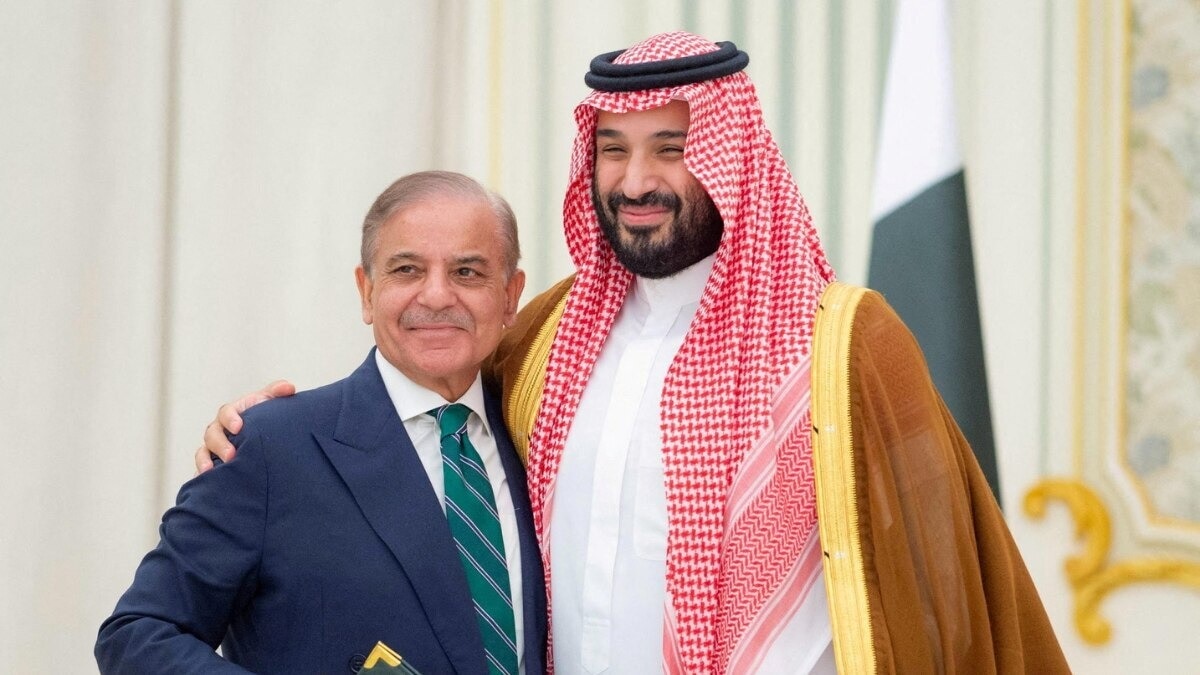
In September 2025, Saudi Arabia and Pakistan signed a mutual defence pact, sparking speculation that Saudi Arabia could tap Pakistan’s nuclear know‑how if needed. Defense Minister Khawaja Asif initially hinted at such a possibility, but retracted the statement within 24 hours under intense international pressure.
Saudi Arabia’s Strategic Intent
Saudi Crown Prince Mohammed bin Salman has publicly warned that if Iran acquires a nuclear bomb, Saudi Arabia will follow suit “as soon as possible.” This stance underscores the strategic calculus behind the US‑Saudi nuclear agreement.
Why This Matters
BozokMedia analysis shows that the US‑Saudi nuclear deal, combined with Pakistan’s proliferation legacy, could reshape power dynamics in the Middle East, potentially prompting a regional nuclear arms race.
"Pakistan’s past proliferation activities create a credibility gap that any future nuclear cooperation with Saudi Arabia must overcome," says Dr. Ayesha Malik, senior fellow at the Institute for Strategic Studies.
Frequently Asked Questions
Q1: Does the Saudi deal permit the country to build nuclear weapons?
A: The current agreement only allows fuel enrichment, but the lack of stringent oversight could enable a weapons pathway.
Q2: Will Pakistan provide nuclear technology to Saudi Arabia?
A: Officially no, yet the defence pact leaves the door ajar for potential technical cooperation.