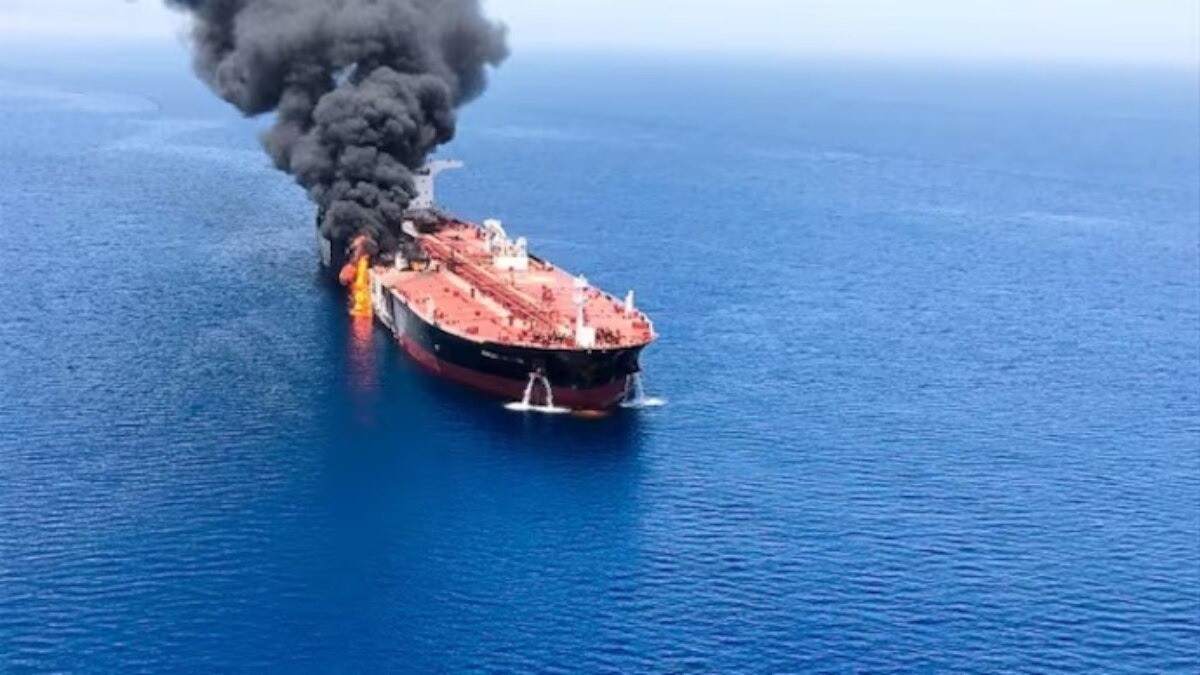
Saudi Arabia has launched strikes against Houthi-held Hodeidah in Yemen, prompting threats of retaliation from the Houthi group and escalating regional tensions.
Key Takeaways
- Saudi Arabia conducted airstrikes on the strategic port city of Hodeidah.
- Houthi rebels claimed missile strikes on Saudi Arabia's Jizan region.
- The escalation threatens to widen the scope of the Middle East conflict.
In a significant escalation of regional hostilities, Saudi Arabia has carried out airstrikes targeting areas held by the Houthi movement in the Yemeni port city of Hodeidah. This development marks a dangerous turn in the ongoing struggle for dominance in the region.
Retaliation and Regional Impact
Following the strikes, Houthi rebels have vowed immediate retaliation, claiming they have already launched missile attacks against the Saudi border province of Jizan. Local reports indicated explosions and subsequent fires in Jizan, heightening fears of a full-scale regional confrontation. The situation remains highly volatile as both sides prepare for further engagement.
Why This Matters
BozokMedia analysis shows that targeting Hodeidah is a strategic move aimed at disrupting Houthi logistics and supply lines. However, such actions risk severely impacting civilian populations and disrupting essential humanitarian aid corridors that rely on the port.
The targeting of Hodeidah signals a shift toward more aggressive containment strategies, which could inadvertently trigger a wider regional war.
Historical Background: The conflict in Yemen, involving the Saudi-led coalition and Houthi rebels, has been a protracted war that has created one of the world's worst humanitarian crises. The involvement of various regional powers has turned Yemen into a proxy battlefield for years.
Frequently Asked Questions
1. What is the primary goal of the Saudi strikes?
The strikes are intended to degrade Houthi military capabilities and prevent further missile attacks on Saudi territory.
2. How does this affect global security?
Increased instability in the Red Sea region can disrupt international shipping lanes and impact global energy prices.