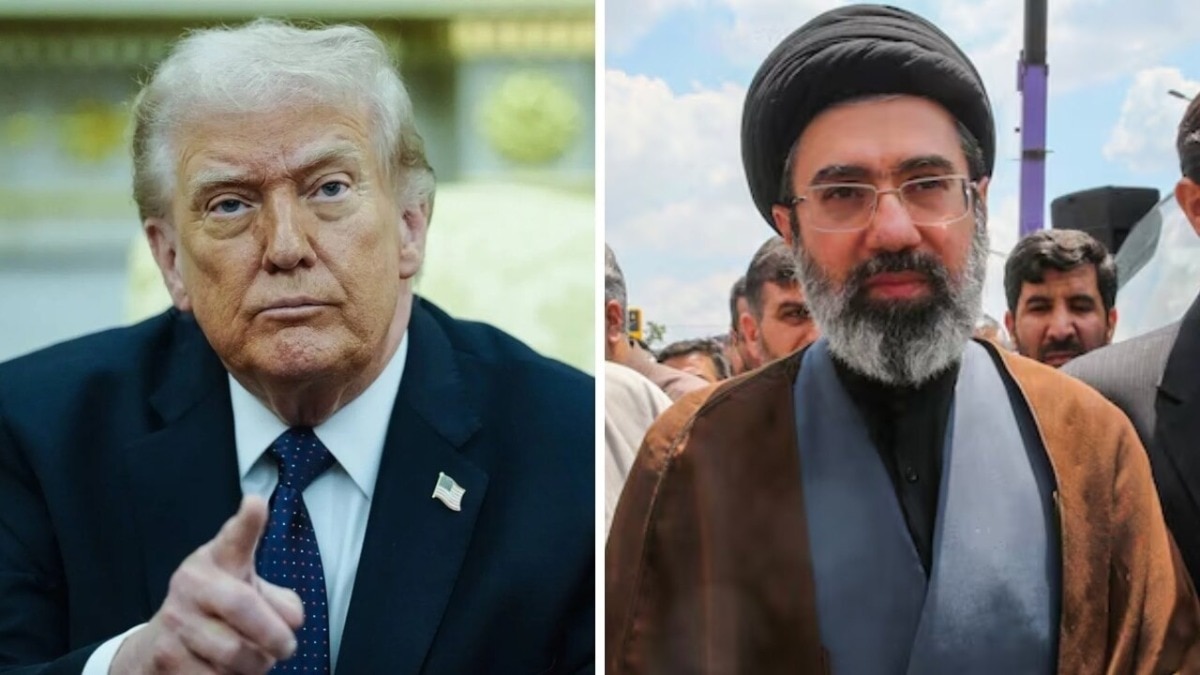
Iran has issued three key demands to the United States regarding control of the Strait of Hormuz, reigniting diplomatic tension. The demands focus on lifting sanctions, opening military dialogue, and establishing a joint maritime security protocol.
Key Takeaways
- Iran sets three conditions tied to Hormuz control
- Demands include sanction relief, military talks, and maritime security framework
- U.S. warned of possible limited military response
Tehran recently delivered a formal note to Washington outlining three non‑negotiable conditions linked to the strategic Strait of Hormuz. This marks a hardening of Iran’s foreign policy, emphasizing its leverage over one of the world’s most critical maritime chokepoints.
Historical Background
Since the 1979 Islamic Revolution, the Hormuz waterway has been a flashpoint between Iran and the United States. Even after the 2015 nuclear deal (JCPOA), disagreements over sanctions and naval presence persisted.
Why This Matters
BozokMedia analysis shows that Tehran’s three‑point demand could reshape Gulf geopolitics, forcing Washington to reconsider its naval posture and sanctions strategy in the region.
"If Iran’s conditions are not met, the risk of a limited naval clash in Hormuz rises sharply," says Dr. Ayesha Karim, senior Middle‑East security analyst.
Did You Know?
Frequently Asked Questions
Q1: Has Iran made similar demands before?
A: Yes, in 2019 Tehran issued comparable conditions in response to U.S. naval exercises, though no formal agreement was reached.
Q2: What could happen if the demands are rejected?
A: U.S. officials have warned they will take necessary steps to ensure maritime security, which could include a limited military response.
Editor Comment
Bold analysis: Iran’s fresh set of demands not only challenge the regional power balance but also compel a strategic rethink of U.S. foreign policy. Diplomacy has become more fragile than ever at this juncture.