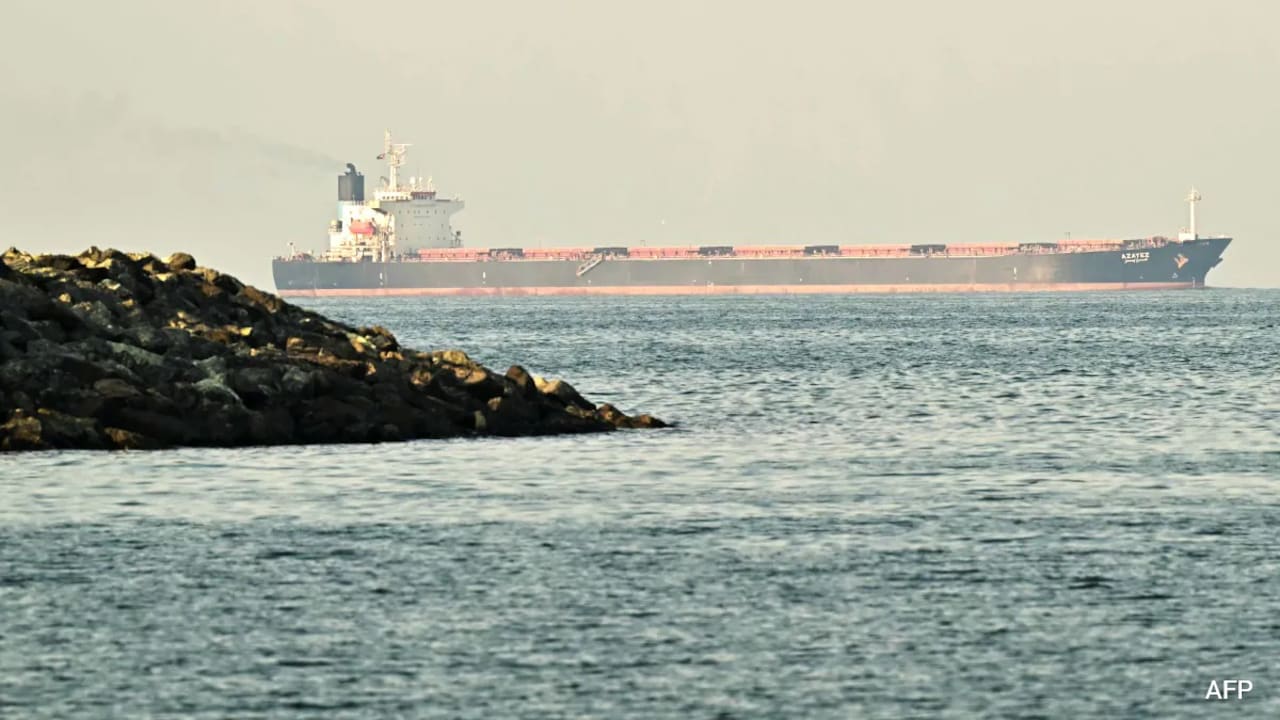
U.S. President Donald Trump has singled out Pickaxe Mountain as a likely target, while the volcanic rock composition could make breaching any deep‑buried facilities extremely difficult. Intelligence agencies suspect the mountain hides a segment of Iran’s nuclear program, but the exact nature of the underground complex remains unclear.
Key Takeaways
- Donald Trump has warned that Pickaxe Mountain may be struck soon
- The mountain is made of volcanic rock, complicating penetration attempts
- Israeli intelligence believes it houses part of Iran’s nuclear program
Current Situation at Pickaxe Mountain
Located roughly 220 km south of Tehran, the formation known locally as Kuh‑e Kolang Gaz La has drawn renewed attention after recent satellite imagery showed increased vehicle movement and what appear to be tunnel entrances. The exact contents of the mountain remain opaque, but the strategic implications are evident.
Historical Background
Iran’s nuclear ambitions have been under scrutiny for over two decades. From the 2003 Natanz agreement to the 2015 Joint Comprehensive Plan of Action (JCPOA), international monitors have repeatedly warned of concealed facilities that could accelerate weaponization. Pickaxe Mountain now joins a list of suspected sites that could reshape diplomatic negotiations.
Why This Matters
BozokMedia analysis shows that the volcanic composition of Pickaxe Mountain could preserve underground infrastructure even after a high‑intensity strike, granting Iran a strategic edge. If the suspected nuclear installations are confirmed, global security calculations will need to be reassessed.
"The dense volcanic rock makes any penetration operation extremely challenging," says leading nuclear specialist Dr. Hannah Farhadi.
Frequently Asked Questions
Question 1: Are there confirmed nuclear facilities inside Pickaxe Mountain?
Answer: No public evidence has been released, but multiple intelligence sources consider it plausible.
Question 2: How do volcanic rocks affect potential bombardment?
Answer: Their high density and hardness can absorb blast energy, reducing the effectiveness of conventional strikes.