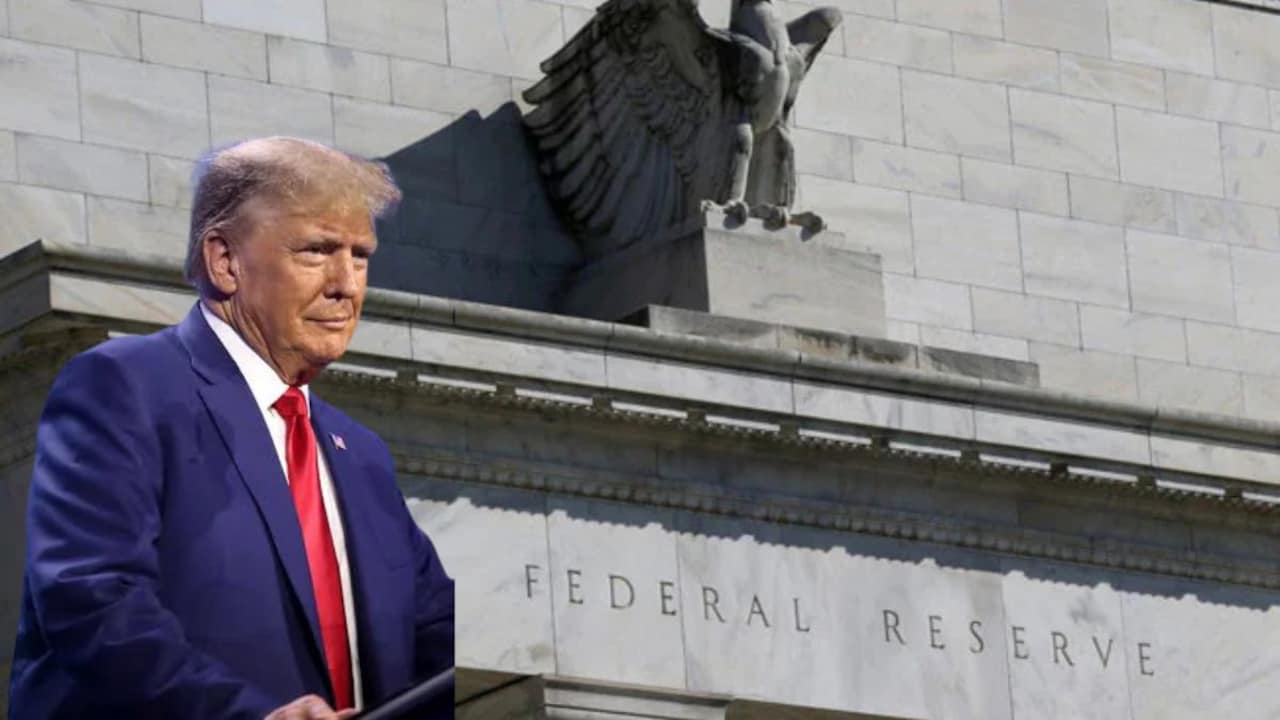
Iran has appealed to the United States to lift its naval blockade, while President Trump asserted that “good talks” are underway and warned that military strikes could resume if diplomacy fails. The prospect of easing the blockade sent Brent crude down to about $88 a barrel.
Key Takeaways
- Iran is demanding the U.S. end its naval blockade.
- Trump says negotiations are ongoing and warns of renewed strikes if talks fail.
- Oil prices fell to roughly $88 a barrel after the pause.
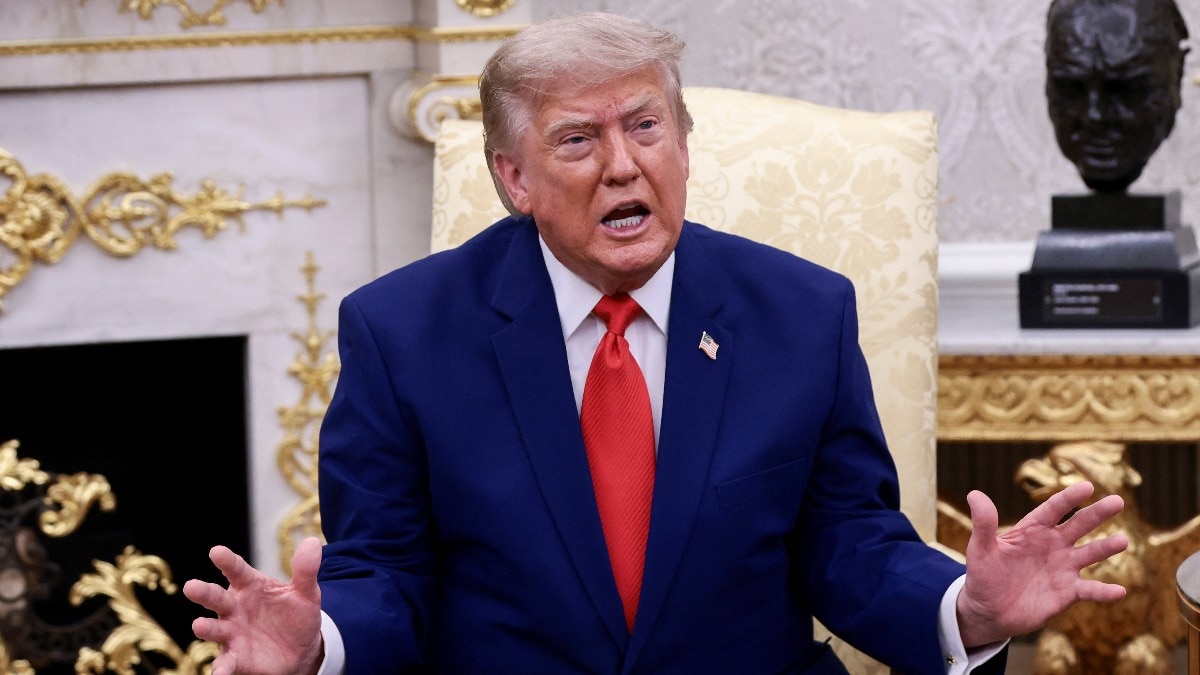
President Donald Trump told reporters aboard Air Force One that the United States is holding "good talks" with Iran and expressed hope that diplomacy could end the conflict, but warned that if negotiations collapse, the U.S. would resume the strikes it carried out two days earlier.
Iran denied seeking negotiations; Foreign Ministry spokesperson Esmail Baghaei called the reports "fabricated" and said, "This is not in our DNA," while confirming that indirect messages were still being exchanged through mediators.
Meanwhile, Saudi Arabia, Jordan and Iraq reported drone attacks, and Yemen’s Iran‑backed Houthis claimed strikes on Saudi oil infrastructure, underscoring that regional hostilities persist despite the temporary pause.
Tehran maintains control over the strategic Strait of Hormuz, the world’s key oil‑shipping lane, while Washington continues to demand unrestricted commercial passage. Hopes of a diplomatic breakthrough sent Brent crude down nearly 9% to about $88 a barrel.
Historical Background
From 2019 to 2021, U.S.–Iran naval confrontations escalated, including Iranian missile threats to U.S. vessels in the Gulf. In 2020, Iran repeatedly warned of retaliation against American naval forces as part of its broader campaign against U.S. sanctions, setting the stage for today’s standoff.
Why This Matters
BozokMedia analysis shows that any shift in the naval standoff directly influences global energy markets, investor confidence, and regional security dynamics, making diplomatic breakthroughs crucial for worldwide economic stability.
"The blockade's continuation could destabilize global oil markets, warns Dr. Ayesha Khan, energy analyst."
Frequently Asked Questions
Question 1: Why did the U.S. impose a naval blockade on Iran?
Answer: The United States aimed to pressure Iran over its nuclear program and regional activities by restricting oil exports and limiting maritime access.
Question 2: How would lifting the blockade affect oil prices?
Answer: Removing the blockade would ease the flow of oil through the Strait of Hormuz, likely stabilizing or lowering global oil prices.