As Japan faces a massive labor shortage, the planned construction of a mosque in Fujisawa has ignited intense debates regarding immigration, religion, and national identity.
Key Takeaways
- Plans for Fujisawa's first mosque have sparked local protests and social media tension.
- Japan is increasingly reliant on foreign workers to combat a shrinking, aging population.
- The Muslim population in Japan has nearly doubled between 2019 and 2024.
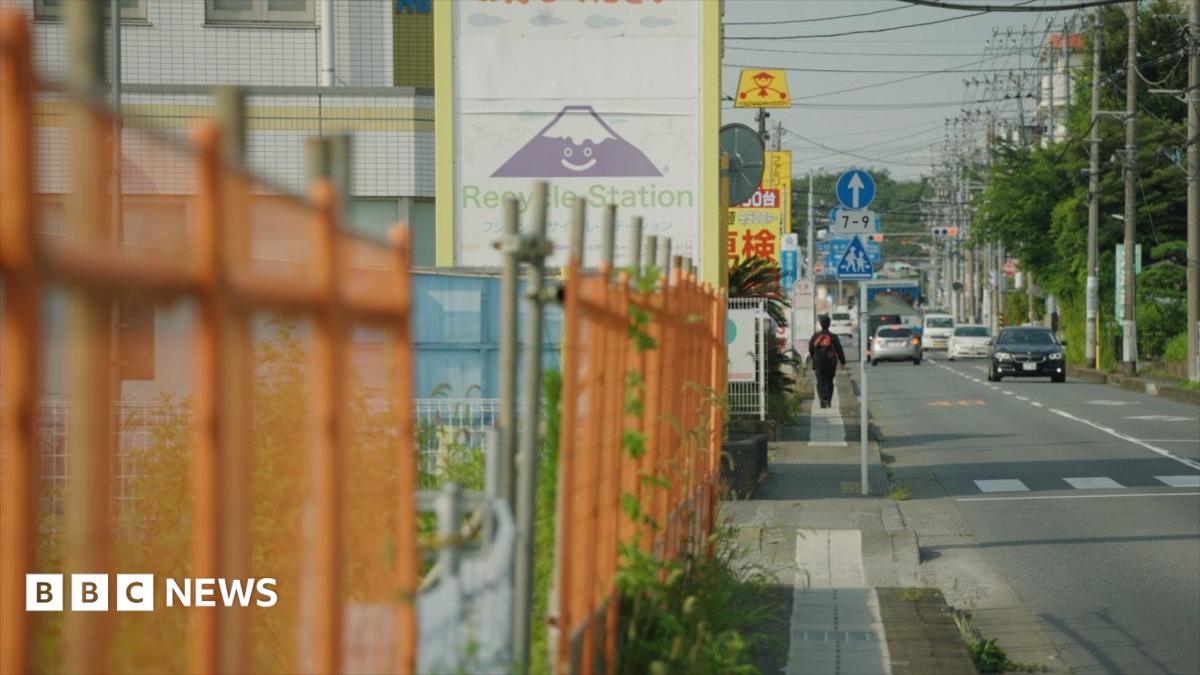
What is currently a quiet field of grass in Fujisawa, a seaside town south of Tokyo, is set to become a site of significant cultural tension. The proposed construction of the town's first mosque has become a lightning rod for anxieties surrounding immigration and the changing face of Japanese society.
Local residents, such as Noriko Izumizawa, express deep concern over how their community might change. Some protesters have even argued that a mosque overshadowing nearby Shinto shrines is a sign of disrespect. This tension has manifested in street protests and an alarming rise in hate speech and misinformation on social media platforms.
Why This Matters
BozokMedia analysis shows that this is not merely a local dispute but a microcosm of Japan's national struggle. Faced with a demographic crisis characterized by a declining birth rate and an aging workforce, Japan is forced to integrate foreign workers to sustain its economy. This influx of diverse cultures and religions is challenging the long-held perception of Japan as a culturally homogeneous nation.
The debate in Fujisawa is a litmus test for how Japan will navigate its transition from an isolated culture to a globalized society.
For the Muslim community, the experience is one of growing hostility. Long-term residents like businessman Mohamed Mohideen note a shift from peaceful coexistence to visible fear and verbal abuse. While many Muslims strive to integrate by strictly following Japanese rules and customs, they face increasing labels and online vitriol that threaten their sense of belonging.
Historical Background
Historically, Japan has maintained strict immigration controls and a highly uniform social structure. However, the demographic shift is undeniable. According to Professor Hirofumi Tanada of Waseda University, the Muslim population in Japan grew from approximately 230,000 in 2019 to roughly 420,000 by the end of 2024.
Frequently Asked Questions
Question 1: Why are people protesting the mosque in Fujisawa?
Answer: Protesters cite concerns over cultural changes and the potential for the mosque to overshadow local Shinto traditions.
Question 2: How is Japan's population affecting immigration?
Answer: A shrinking and aging population has created a labor shortage, forcing Japan to rely more heavily on foreign workers.