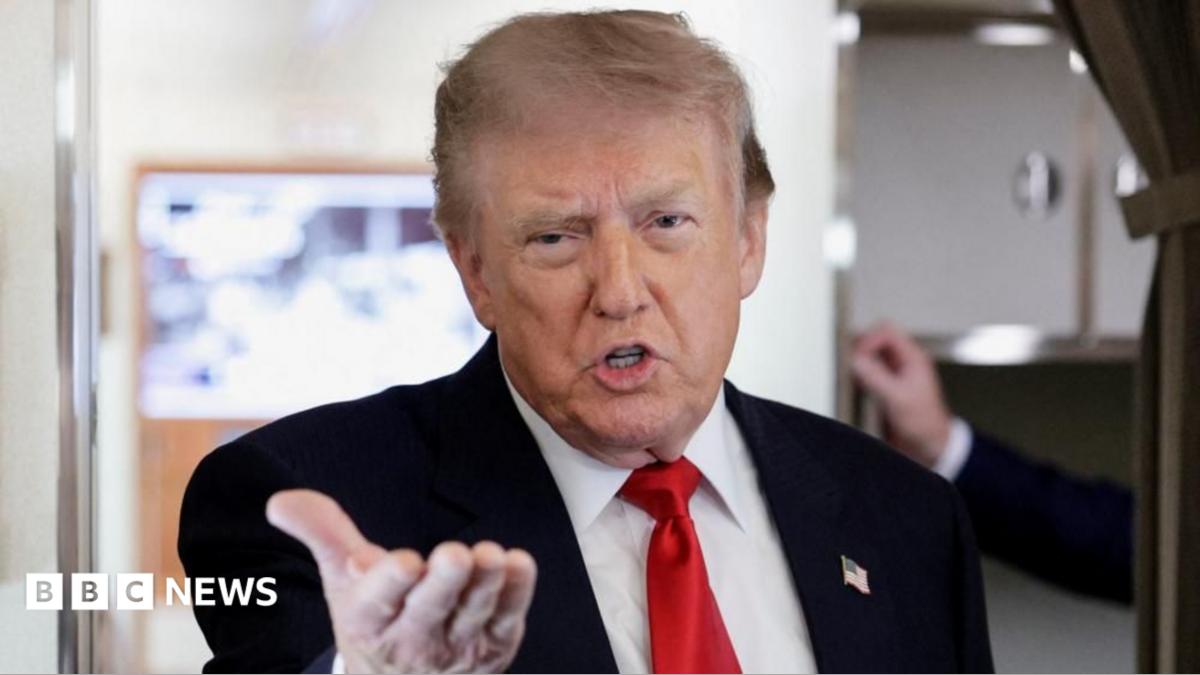
U.S. President Donald Trump announced that “friendly negotiations” are underway with Iran as both sides observed a third consecutive day without strikes. Tehran, however, denies any direct talks are taking place.
Key Takeaways
- Trump claims negotiations with Iran are progressing
- Iran denies any direct talks
- Both sides have paused air strikes for a day
President Donald Trump told reporters aboard Air Force One, “I think there’s a good chance that something could happen,” after the United States and Iran refrained from exchanging strikes for the third straight day.
Trump explained that he halted U.S. strikes on Friday after mediators asked for a renewed chance at diplomacy. Iran mirrored the pause, suspending its own attacks, creating a temporary de‑escalation on the front lines.
Oil markets reacted positively; on Monday, crude fell more than 9% to $87.59 a barrel, reflecting investor optimism that the conflict might be contained.
White House spokesperson Anna Kelly emphasized that the U.S. military “has more than enough munitions” and highlighted Operation Epic Fury as proof of America’s resolve. Trump also urged defense contractors to ramp up production of “Made‑in‑America” weapons, especially Patriot missile systems.
Historical Background
The U.S. and Iran launched their first strikes on 28 February, sparking a series of missile, drone, and naval attacks across the Gulf region. A June memorandum temporarily halted hostilities and reopened the Strait of Hormuz, but renewed Iranian attacks on 13 July prompted a U.S. resurgence of air strikes and a naval blockade.
Why This Matters
BozokMedia analysis shows that a sustained pause in hostilities could reshape regional power dynamics and open a diplomatic window for a broader Middle‑East de‑escalation, impacting global oil markets and security alliances.
“If these talks bear fruit, they could end years of volatility in the Middle East,” says international‑relations expert Dr. Maya Patel.
Frequently Asked Questions
Q: Has Iran officially confirmed the negotiations?
A: Tehran has publicly denied any direct talks, though the mutual pause suggests back‑channel communications may be occurring.
Q: Will oil prices stabilize if the talks succeed?
A: A durable cease‑fire would likely steadied prices, but lingering regional tensions could still cause volatility.


