Diplomatic mediators from Qatar and Pakistan are working urgently to bring the United States and Iran back to the negotiating table. This comes during a tense, fragile three-day pause in active military hostilities following weeks of escalating conflict.
Key Takeaways
- Qatar and Pakistan are actively mediating to revive the collapsed mid-June memorandum of understanding.
- A major sticking point remains control over shipping lanes and potential tolls in the strategic Strait of Hormuz.
- Despite Donald Trump claiming positive talks, Iran officially denies direct negotiations with the US.
Mediators led by Qatar and Pakistan have expressed renewed hope of pulling the United States and Iran back to the negotiation table as both sides maintained a fragile pause in hostilities for a third consecutive day. Middle East officials, speaking on condition of anonymity, confirmed on Monday that diplomats are working tirelessly behind closed doors to bridge the deep divisions between Washington and Tehran.
The current pause follows a highly volatile fortnight of military escalation. The conflict was triggered when Iran targeted commercial vessels transiting the Strait of Hormuz, prompting the US to launch heavy airstrikes on Iranian coastal infrastructure. Iran retaliated with drone and missile attacks on regional bases hosting American troops, resulting in the deaths of at least three US service members in Jordan and one in Iraq.
Why This Matters
BozokMedia analysis shows that the Strait of Hormuz is not just a regional hotspot, but the jugular vein of global energy security. Any prolonged disruption here could trigger a massive global economic shockwave, forcing both Washington and Tehran to tread carefully despite their aggressive rhetoric.
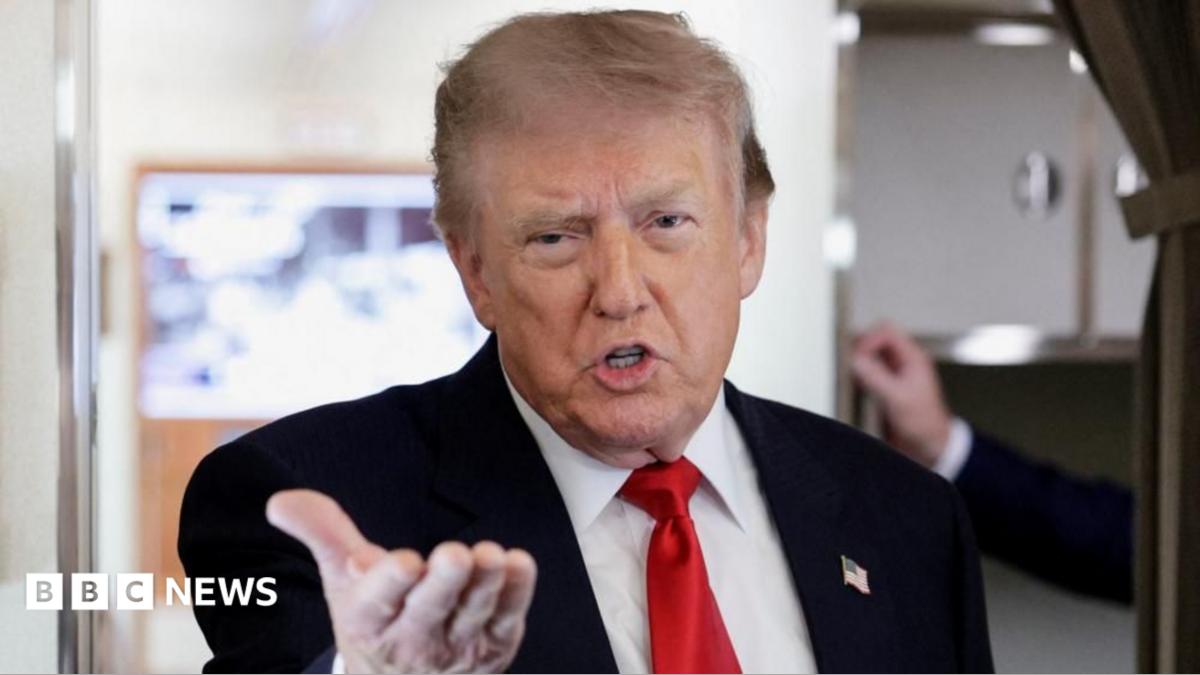
US President Donald Trump claimed that Iran had requested a meeting "through their surrogates and directly," telling reporters aboard Air Force One that the two sides are having "good talks." However, the Iranian Foreign Ministry quickly downplayed these claims, insisting that Tehran has not requested direct negotiations and is currently only receiving messages conveyed by international mediators.
"The current pause is not a sign of peace, but a strategic recalculation as both sides assess their military stockpiles and leverage before the next phase of diplomacy or conflict," says a leading Middle East defense analyst.
| Key Dispute | United States Position | Iran Position |
|---|---|---|
| Shipping Lane Control | Demands open transit through recognized international waters. | Insists vessels transit through designated lanes closer to Iranian shores. |
| Strait Transit Tolls | Strongly opposes any mandatory fees for commercial vessels. | Demands mandatory tolls in exchange for security services provided. |
To enforce its pressure campaign, the US Central Command (CENTCOM) announced that it has redirected 17 commercial vessels transiting the strait, while disabling two others and boarding another two to ensure compliance with its strict blockade on Iran. Meanwhile, Oman has proposed a compromise mechanism involving voluntary tolls, but Iran continues to demand that any transit fees be strictly mandatory, keeping the diplomatic resolution in limbo.
Frequently Asked Questions
1. Why did the US and Iran temporarily halt active military strikes?
Both nations agreed to a fragile three-day pause to allow mediators from Qatar and Pakistan to explore diplomatic avenues and potentially revive previous peace agreements.
2. What is the primary obstacle to a permanent ceasefire?
The main sticking point is the control of the Strait of Hormuz. Iran demands mandatory tolls and specific shipping lanes near its coast, which the US and its allies strongly oppose.