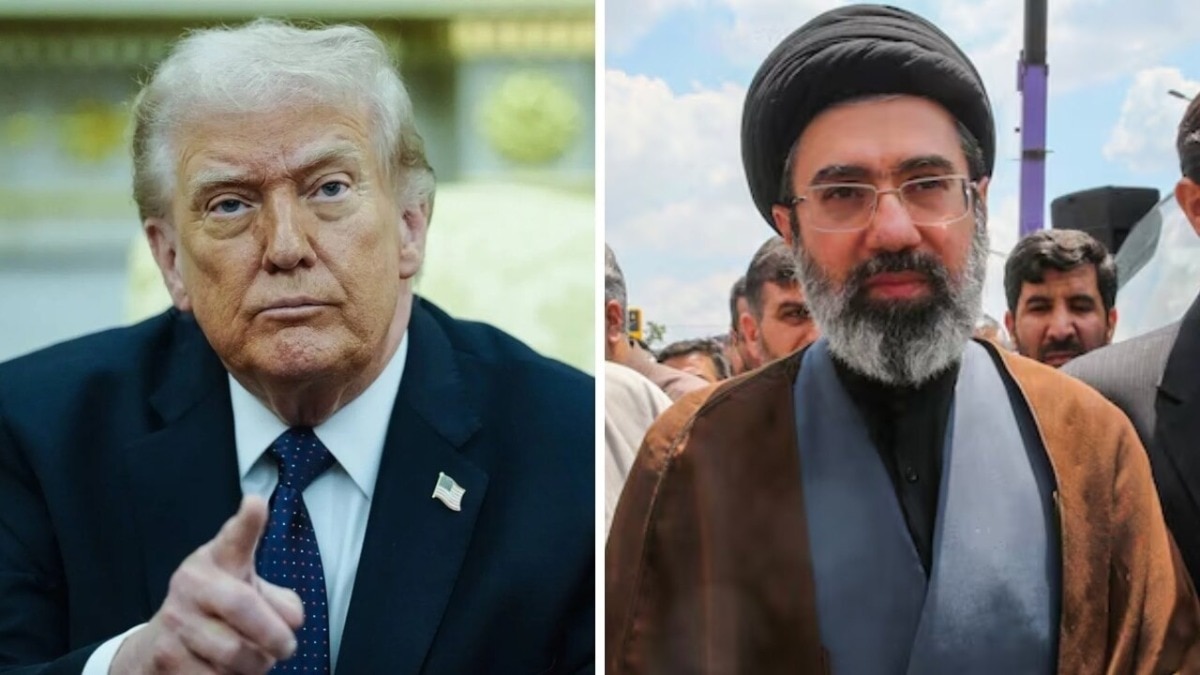
US President Donald Trump has issued a stern warning to Tehran, stating that military strikes will resume if ongoing diplomatic talks fail to reach a deal.
Key Takeaways
- President Trump stated that while talks with Iran are "good," military action remains a fallback option.
- Trump emphasized that Iran cannot be "bribed" during his Michigan campaign rally.
- Regional tensions are rising following drone attacks reported in Saudi Arabia, Jordan, and Iraq.
- The Strait of Hormuz remains a critical flashpoint for global oil supplies.
US President Donald Trump announced on Monday that while Washington and Tehran are engaged in "good talks," the window for diplomacy is narrow. Trump warned that if negotiations do not yield a successful agreement, the United States will revert to its previous military posture. "If it doesn't [happen], we go back to doing what we were doing two days ago," Trump told reporters.
Why This Matters
BozokMedia analysis shows that the geopolitical stability of the Middle East hinges on these negotiations. Any escalation in direct military conflict between the US and Iran could trigger a massive spike in global oil prices and disrupt international shipping lanes, particularly in the strategic Strait of Hormuz.
The US military's readiness to resume strikes underscores the fragile nature of the current ceasefire.
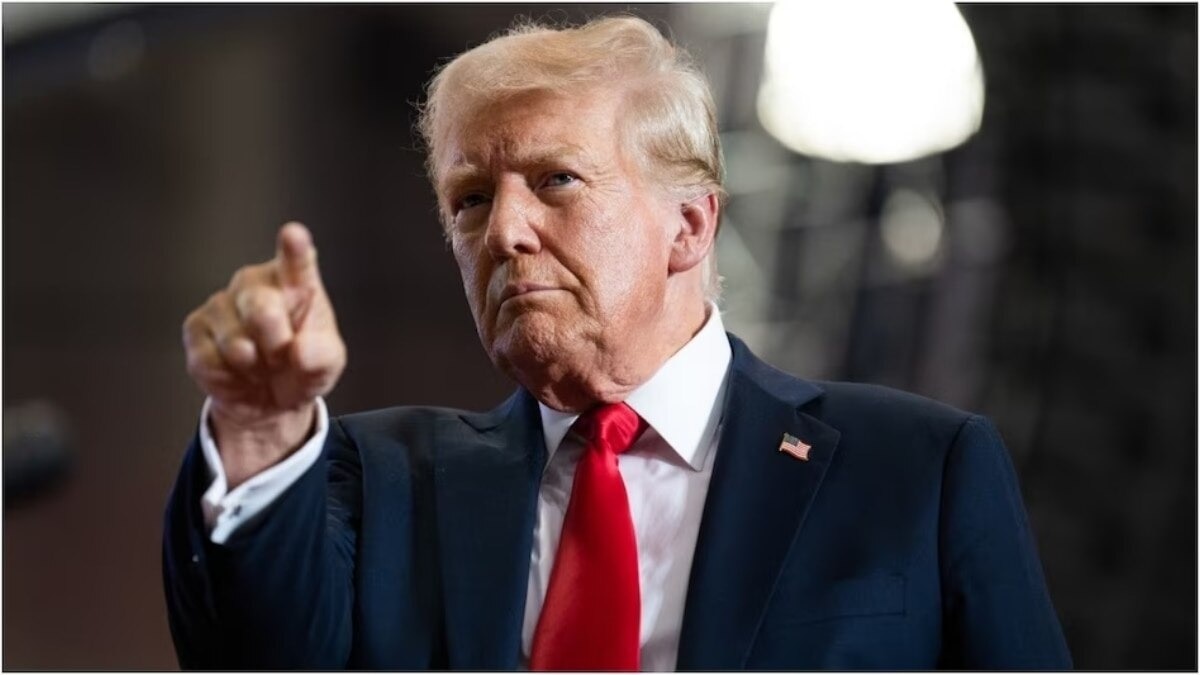
During a campaign rally in Michigan, Trump adopted an even more aggressive tone, asserting that Iran could not be "bribed" and threatening to "beat the hell out of them" if diplomacy fails. This rhetoric comes amidst reported drone attacks in Saudi Arabia, Jordan, and Iraq, suggesting that the regional truce is under immense pressure from various proxy actors.
Historical Context
The tension between the US and Iran has escalated significantly following recent US bombing campaigns aimed at Iranian military infrastructure. While the US recently suspended its air campaign due to tactical limits and ammunition concerns, the underlying conflict regarding Iran's nuclear program and maritime influence remains unresolved.
Frequently Asked Questions
1. What is the current status of US-Iran talks?
Indirect communications are ongoing through mediators, with formal discussions regarding Iran's nuclear program expected to conclude by late August.
2. Why is the Strait of Hormuz a point of contention?
The US demands free passage for vessels, while Iran claims authority to supervise transit and collect fees, making it a major maritime flashpoint.