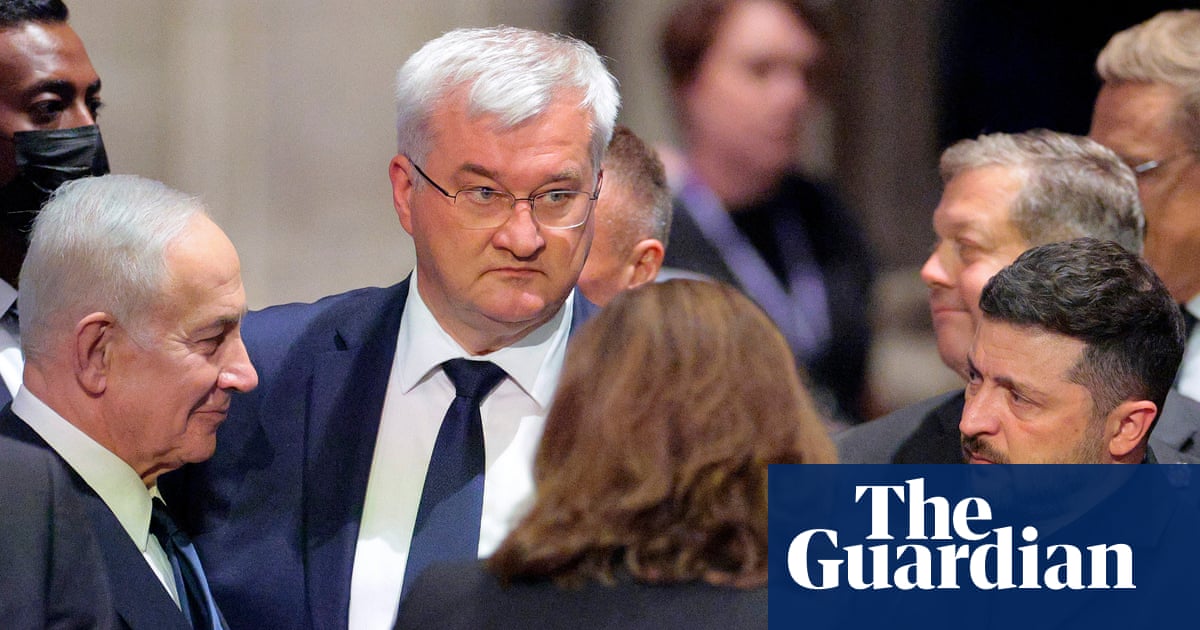
As Benjamin Netanyahu and Volodymyr Zelenskyy converge in Washington, they face an unpredictable Trump administration that has disrupted decades of established foreign policy certainty.
Key Takeaways
- Netanyahu and Zelenskyy are navigating a Washington shaped by Donald Trump's unpredictable leadership.
- Netanyahu's influence has waned following failed strategic promises regarding Iran.
- Zelenskyy has seen a tactical ascent despite previous humiliations by the US administration.
The simultaneous visits of Benjamin Netanyahu and Volodymyr Zelenskyy to Washington offer a stark snapshot of a world unmoored from traditional certainties. While the United States remains an unrivaled military and economic titan, the nature of its engagement with allies has shifted under the erratic leadership of Donald Trump. Both leaders arrive not as guaranteed allies, but as figures attempting to manage the whims of a presidency that values personal loyalty over institutional diplomacy.
Why This Matters
BozokMedia analysis shows that the divergence in the fortunes of these two leaders highlights the fragility of modern alliances. For Israel and Ukraine, the White House is no longer a predictable sanctuary of support; it is a theater of unpredictability where support can be withdrawn or demanded as a personal favor. This shift marks the end of the post-Cold War era of stable US hegemony.
The shift from institutional diplomacy to personalistic rule means that global stability now hinges on the temperament of a single individual.
Netanyahu’s trajectory appears to be in decline. His attempts to align Trump with an ill-conceived strategy regarding Iran have left him sidelined in major regional negotiations. Conversely, Zelenskyy has managed to transform from a perceived 'loser' into a symbol of resilience, even gaining unexpected traction among certain segments of the American political spectrum. However, the looming shadow of reduced military aid remains a critical threat to Kyiv's survival.
Historical Background
Traditionally, US administrations have provided a predictable umbrella of security for Israel and Ukraine. The bipartisan consensus on supporting these nations was a cornerstone of American foreign policy for decades. The current administration's departure from this playbook—proposing peace deals that mirror adversary talking points—represents a historic rupture in transatlantic relations.
Frequently Asked Questions
1. How has Trump's policy affected Israel?
Trump's administration has occasionally bypassed Israeli views on regional deals, such as those involving Saudi Arabia and Turkey, leading to friction.
2. Is Ukraine's survival dependent on the US?
While Ukraine has shown immense resilience, meaningful long-term defense against Russian aggression remains heavily dependent on consistent US military hardware and intelligence.