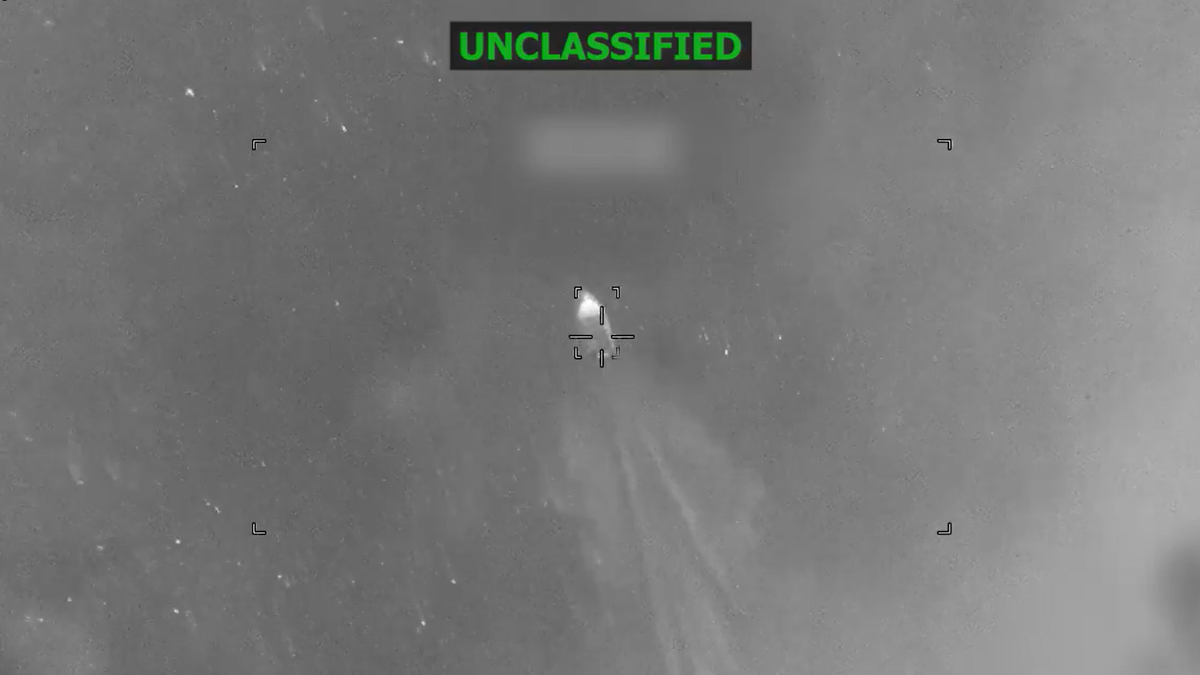
Following lethal boat strikes that killed hundreds, the Trump administration is now pushing for ground-based military operations in allied Latin American nations to combat drug trafficking and designated terrorist groups.
- US military seeks to transition from maritime strikes to joint land operations in Latin America.
- Defense Secretary Pete Hegseth claims agreements with Colombia, Guatemala, and Honduras, though Guatemala denies this.
- Over 200 people have already been killed in 60+ boat strikes across the Caribbean and Pacific.
- The strategy equates drug cartels with global terrorist organizations like ISIS and al-Qaida.
The Trump administration is aggressively expanding its security footprint in the Western Hemisphere, moving beyond maritime interceptions to a more interventionist land-based strategy. After a year of lethal boat strikes in the Caribbean and eastern Pacific that resulted in the deaths of more than 200 individuals, Washington is now pursuing deals to deploy U.S. forces on the ground in several allied nations.
During a recent visit to Panama, U.S. Defense Secretary Pete Hegseth announced that Colombia, Guatemala, and Honduras had reportedly agreed to joint military operations against criminal groups. This follows a similar precedent set by Ecuador in March. However, the announcement has already faced diplomatic friction, with the government of Guatemala explicitly denying that any such agreement had been reached.
Why This Matters
BozokMedia analysis shows that this shift represents a fundamental change in U.S. foreign policy—moving from a support role (providing intelligence and training) to a direct combat role. By designating 20 Latin American criminal groups as "foreign terrorist organisations," the U.S. is creating a legal and political framework to justify high-intensity military strikes on foreign soil, effectively treating the "War on Drugs" as a conventional war on terror.
The geopolitical landscape is shifting as voters in the region increasingly elect conservative, Trump-aligned leaders. In Colombia, the newly inaugurated Abelardo de la Espriella has reportedly requested increased U.S. involvement to target groups like the National Liberation Army (ELN). Hegseth has been clear: anyone trafficking drugs is now viewed as a target equivalent to ISIS or al-Qaida.
"This is not cooperation, it's obviously a very asymmetrical relationship designed to project power and impose a Washington-led agenda." - Michael Shifter, Inter-American Dialogue.
The transition to land operations is fraught with risk. In Ecuador, despite a public referendum rejecting foreign military bases, joint raids have already occurred. A previous investigation revealed that a U.S.-led strike on a suspected drug lab actually destroyed a cattle farm, highlighting the extreme risk of collateral damage and civilian casualties in dense jungle environments.
Historically, the U.S. has a complex legacy in Latin America, often supporting military coups and dictatorships in the name of stability. Critics argue that this new wave of interventionism could trigger a nationalist backlash that persists long after the current administration leaves office, potentially destabilizing the very regions it seeks to secure.
| Phase | Primary Method | Target Area | Reported Impact |
|---|---|---|---|
| Maritime Phase | Boat Strikes/Bombing | Caribbean & Pacific Coasts | 200+ Deaths, 60+ Strikes |
| Land Phase | Joint Ground Raids | Jungle/Urban Centers | Pending (High Risk of Collateral) |
Frequently Asked Questions
Q1: Which countries have agreed to U.S. land operations?
According to Secretary Hegseth, Colombia, Ecuador, and Honduras have agreed, although Guatemala has officially denied these claims.
Q2: How does this differ from previous U.S. involvement in the region?
Previously, the U.S. focused on intelligence, training, and weapons supply; the new strategy involves direct U.S. combat forces engaging targets on the ground.