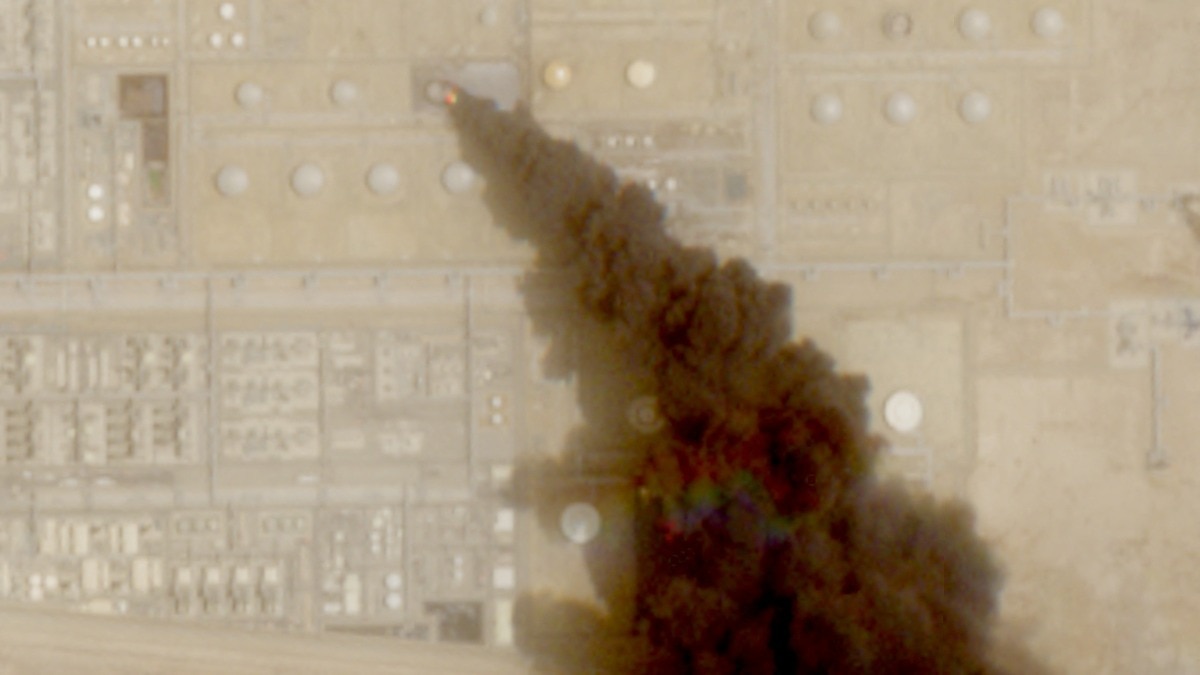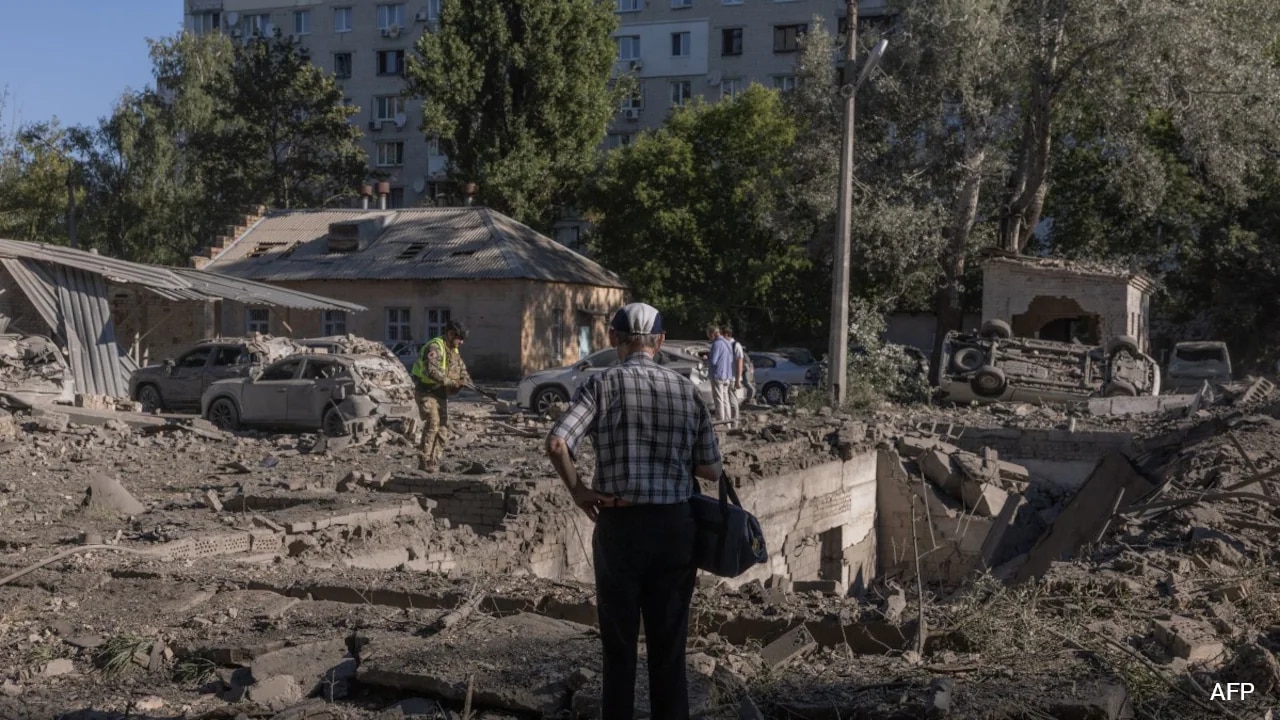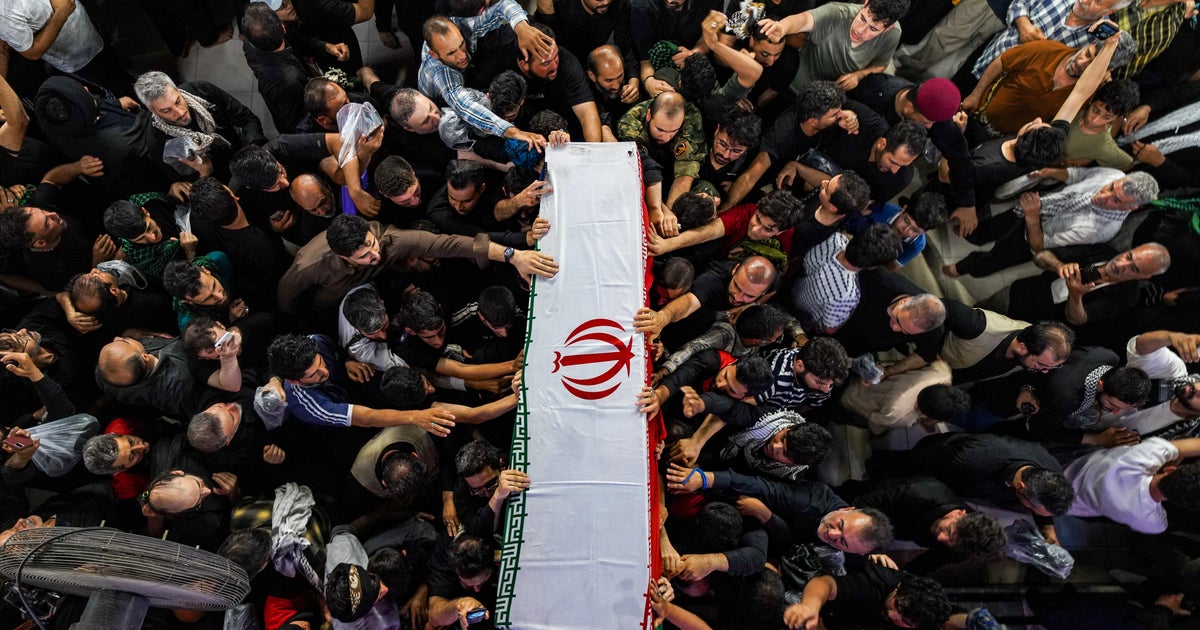
Iran has claimed responsibility for striking tankers in the Strait of Hormuz and launching drone attacks on a U.S. base in Kuwait, sending shockwaves through global energy markets.
Key Takeaways
- Iran's Revolutionary Guard struck two tankers under U.S. military escort in the Strait of Hormuz.
- Drone strikes were reported targeting U.S. facilities at Ahmad al-Jaber Air Base in Kuwait.
- Global oil prices surged, with Brent crude hitting highs of $126 per barrel.
- Israel conducted massive detonations near Lebanon's Beaufort Castle to destroy Hezbollah tunnels.
The Middle East is witnessing a massive escalation in hostilities. The Iranian Revolutionary Guard announced on Friday that it had intercepted and struck two oil tankers attempting to transit the strategic Strait of Hormuz under a U.S. military "air escort." Iran further claimed that four other vessels were forced to change course and retreat.
Simultaneously, reports have emerged of drone strikes targeting U.S. military installations at the Ahmad al-Jaber Air Base in southern Kuwait. While the U.S. Central Command has yet to issue a formal statement, the intensity of the strikes underscores the widening scope of the conflict. In Washington, the Senate narrowly rejected a move to limit President Trump's war powers, passing the vote by a razor-thin margin of 49-50.
Why This Matters
BozokMedia analysis shows that the volatility in the Strait of Hormuz is no longer just a local security issue but a systemic threat to the global economy. As a primary artery for one-fifth of the world's oil and gas, any disruption here triggers an immediate inflationary spike worldwide.
The weaponization of maritime chokepoints like Hormuz represents a paradigm shift in modern asymmetric warfare.
The economic fallout is starkly visible in the soaring profits of energy giants. As global supplies tighten and consumer fuel prices skyrocket, companies like Exxon Mobil and Chevron have reported massive revenue surges. Exxon Mobil's second-quarter profits doubled to $14.53 billion, while Chevron's profits nearly quadrupled, highlighting a grim reality where corporate gain is directly tied to geopolitical instability.
Historical Background
The Strait of Hormuz has long been the world's most sensitive maritime chokepoint. For decades, the tension between Iran and the United States has centered on control and freedom of navigation through this narrow waterway, which serves as the lifeblood of the global energy market.
Frequently Asked Questions
1. What happened in the Strait of Hormuz?
Iran claimed to have struck two tankers that were being escorted by the U.S. military, leading to significant disruption in oil transit.
2. How are oil prices affected by this war?
The conflict has driven Brent crude prices from approximately $70 to over $126 per barrel due to supply constraints and increased risk premiums.