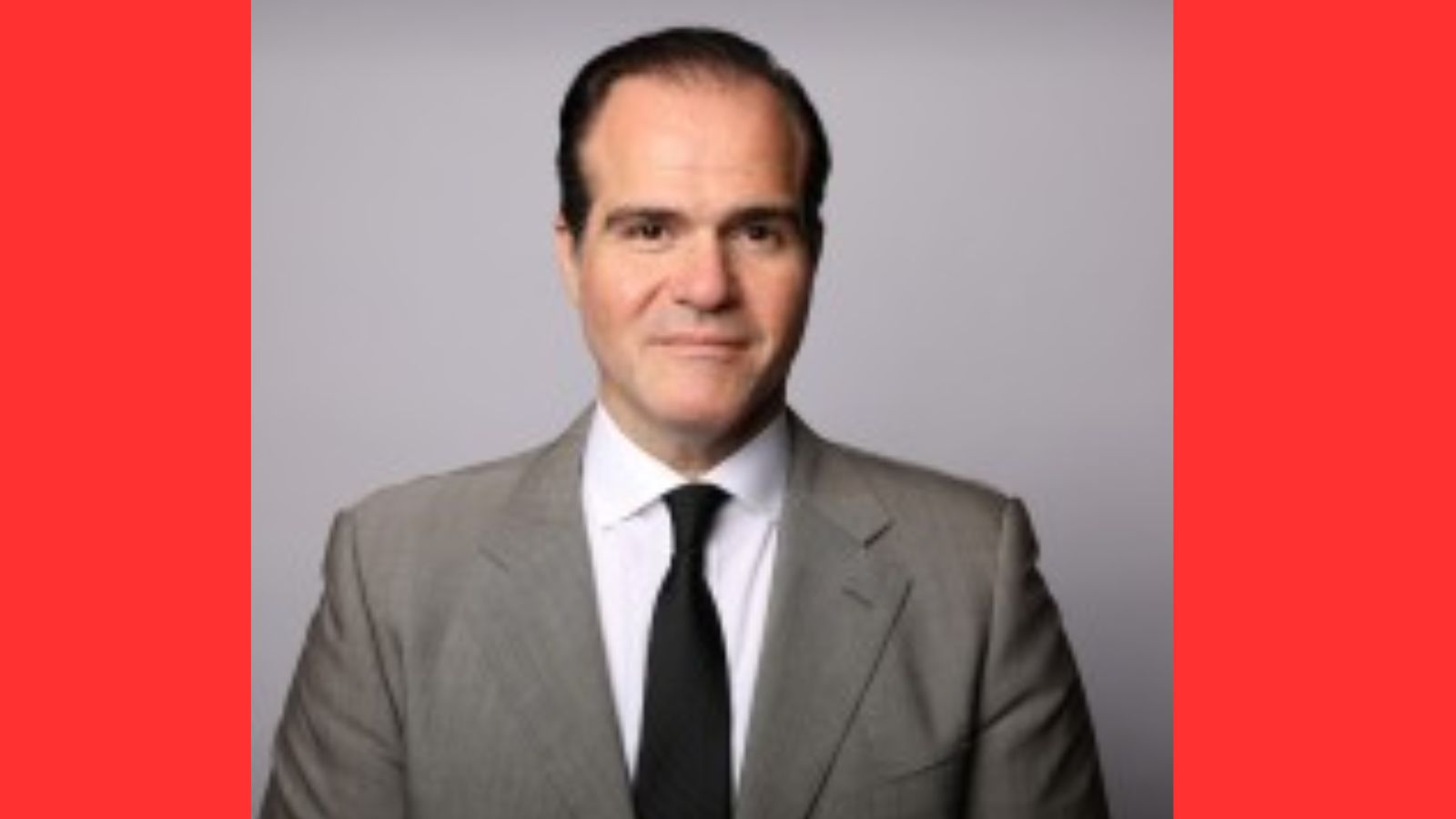
Mauricio Claver-Carone, the influential Miami businessman who shaped US policy on Venezuela without a formal role, has exited his position amid allegations of conflict of interest.
Key Takeaways
- Mauricio Claver-Carone has stepped away from his unofficial advisory role on Venezuela.
- Allegations of conflict of interest arose due to his private equity fund involvement in Venezuelan oil/debt deals.
- Former US Ambassador Richard Grenell reportedly raised concerns regarding his business dealings.
Mauricio Claver-Carone, the Miami-based businessman who exerted significant influence over US policy regarding Venezuela without holding a formal government post, has officially left his unofficial role. While Claver-Carone told Reuters that his departure was a personal choice, insiders suggest he was pressured to step down in recent weeks.
Despite his lack of a formal title, Claver-Carone wielded immense power, reportedly answering directly to Secretary of State Marco Rubio. His influence peaked following the January 3 raid that led to the capture of President Nicolas Maduro.
Why This Matters
BozokMedia analysis shows that Claver-Carone's position created a complex web of ethical dilemmas. By simultaneously advising on multi-billion dollar Venezuelan oil and debt restructuring deals while running his own private equity fund, he raised serious questions about whether a private citizen should hold such sway over US firms competing for Venezuelan business.
The intersection of private capital and unofficial diplomatic influence creates a transparency vacuum that can undermine national policy objectives.
The friction reportedly reached the highest levels of the administration. Former US Ambassador Richard Grenell is said to have directly raised concerns with Donald Trump regarding Claver-Carone's business dealings in early July. Furthermore, his association with Venezuelan businessman Alejandro Betancourt, who has faced scrutiny over corruption, added to the unease among US officials.
Historical Background
Claver-Carone's history in international finance and politics is marked by high-stakes maneuvers. He previously led the Inter-American Development Bank before resigning amid misconduct allegations. He was also a key architect behind the 2019 sanctions regime against Venezuela.
Frequently Asked Questions
1. Did Claver-Carone hold an official government position?
No, he served as an unofficial adviser with significant regional contacts but no formal appointment.
2. What was his impact on US-Venezuela relations?
He was instrumental in shaping debt restructuring strategies and facilitating talks between the Venezuelan government and opposition leaders.
