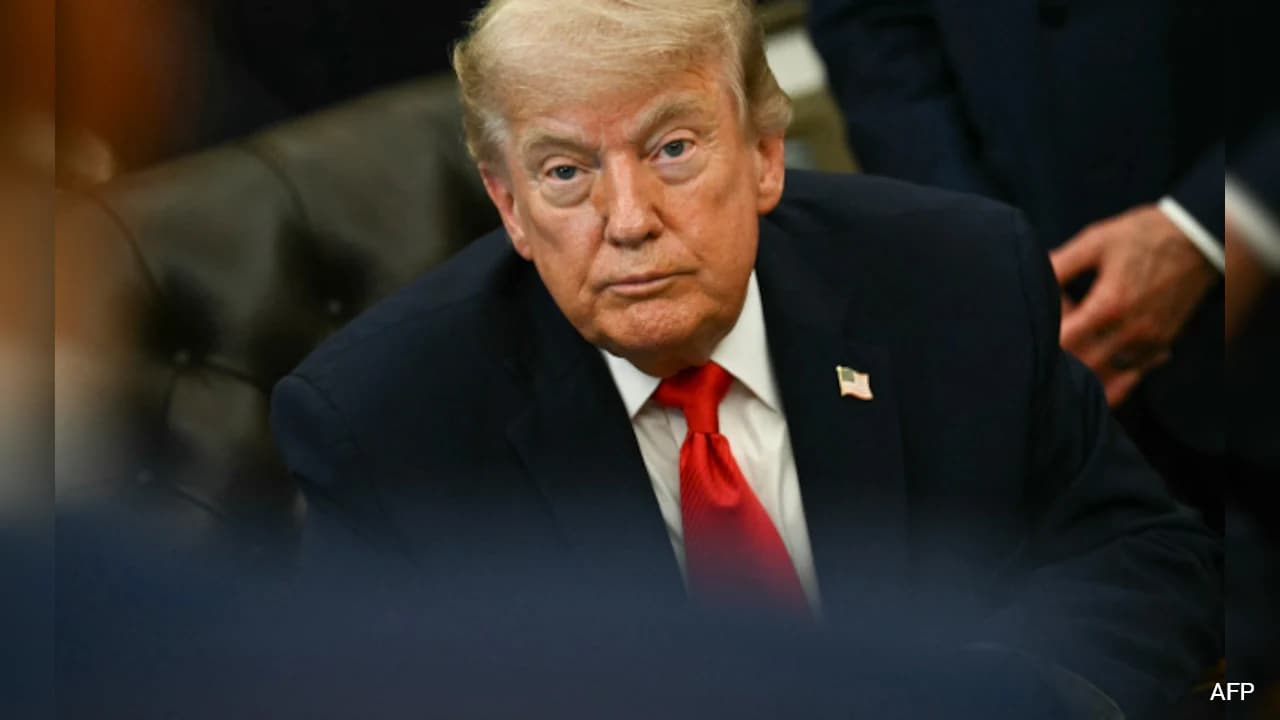
Following the collapse of a recent truce and continued attacks on oil tankers in the Strait of Hormuz, the White House indicates that President Donald Trump is considering new military strikes against Iran.
Key Takeaways
- The recent truce agreement between the US and Iran has officially collapsed.
- Iran's Revolutionary Guard claimed responsibility for striking two more tankers in the Strait of Hormuz.
- The White House warned that President Trump is considering significant military action.
- Global maritime security is at risk due to ongoing attacks on commercial vessels.
The geopolitical landscape in the Middle East has shifted toward high alert as the White House signals that President Donald Trump is weighing fresh military strikes against Iran. This escalation follows the rapid collapse of a truce agreement established last month and a series of provocative attacks in the Strait of Hormuz.
White House Press Secretary Karoline Leavitt issued a stern condemnation of Tehran, accusing Iran of violating the memorandum of understanding by attacking commercial ships and causing the deaths of American soldiers. "President Trump is not going to stand by and allow this terrorist behavior to occur," Leavitt stated, emphasizing that Iran will face continued pressure until they engage in meaningful negotiations.
Why This Matters
BozokMedia analysis shows that any prolonged conflict in the Strait of Hormuz poses a systemic risk to the global economy. As one of the world's most vital energy chokepoints, instability in this region can lead to immediate spikes in global oil prices and disrupt international supply chains.
"The administration's shift from diplomacy to potential kinetic action signals a zero-tolerance policy toward maritime disruption."
During a meeting at Camp David, President Trump indicated that the US military response could be prolonged and intense. "We'll be hitting them very hard," Trump told reporters, suggesting that the administration's goal is to force Iran to a point where they can no longer sustain their current trajectory. While no direct US strikes were reported overnight, the Iranian Revolutionary Guard confirmed striking two more tankers, further escalating the standoff.
Historical Background
The Strait of Hormuz has long been a flashpoint for international conflict. Controlled by Iran and Oman, the waterway is the world's most important oil transit chokepoint, making it a primary tool for regional power projection and a frequent target of geopolitical brinkmanship.
Frequently Asked Questions
1. Why did the US-Iran truce fail?
The US administration alleges that Iran breached the agreement by targeting commercial vessels and attacking American personnel.
2. What is the significance of the Strait of Hormuz?
It is a critical maritime corridor through which a massive portion of the world's petroleum supplies are transported.