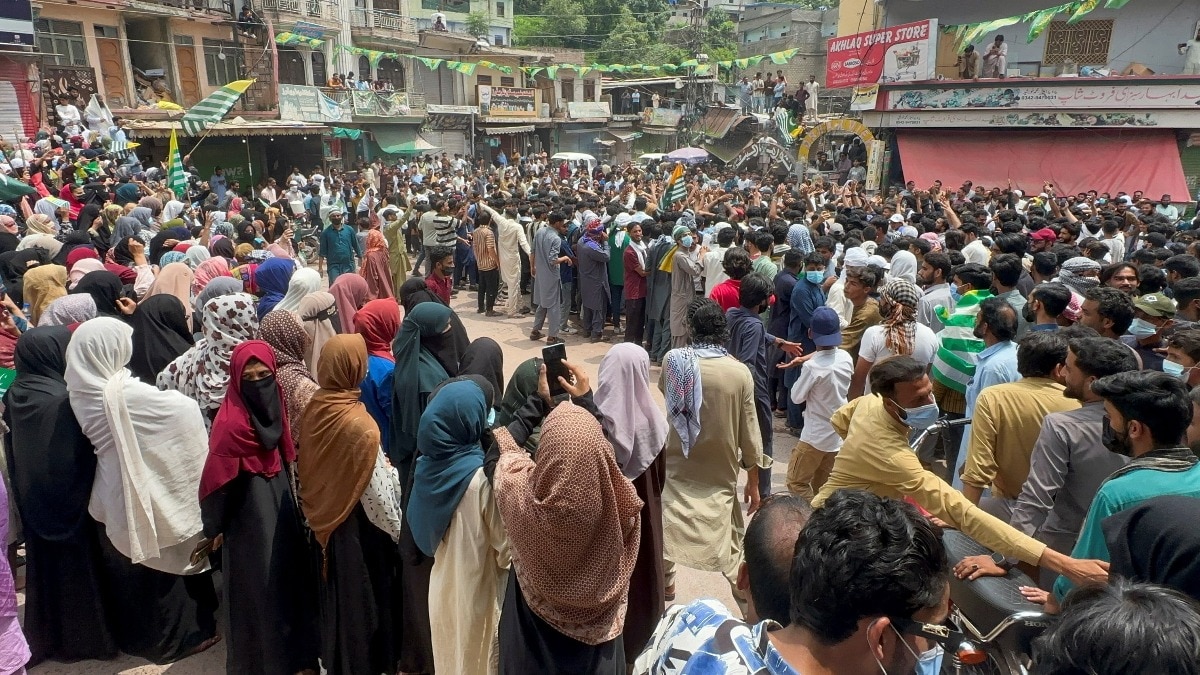
A violent crackdown in Pakistan‑occupied Kashmir (POK) has left dozens dead and injured, prompting doctors, relatives and protesters to voice their fear and demand basic rights. The Joint Awami Action Committee (JAAC) claims they are fighting for affordable essentials, not terrorism.
Key Takeaways
- Makeshift clinic in Rawalakot treated 50‑60 critically injured protesters
- JAAC demands affordable electricity, wheat, education, health and political rights
- Pakistani security forces deny indiscriminate firing, label JAAC violent
Blood‑Stained Reality in Rawalakot
A blood‑soaked mattress under a red tarpaulin, a dying protester with a chest wound, and Dr. Anwar’s improvised clinic – this is the grim scene in Pakistan‑occupied Kashmir’s Rawalakot. Since July 27, the clinic has cared for 50‑60 critically wounded, including 15‑20 gunshot victims.
Dr. Anwar told the BBC, “We have enough supplies for first aid, but serious chest, abdominal or head injuries need advanced hospitals.” Many protesters avoid government hospitals for fear of arrest or further violence.
JAAC’s Grievances and Demands
The outlawed Joint Awami Action Committee (JAAC) is rallying for cheap electricity, affordable wheat, better education, health services and greater political autonomy. They also accuse Islamabad of decades‑long interference in local governance.
Families of the dead echo a simple refrain: “We only asked for our basic rights. We are not terrorists.” Hussain’s friend Ali asked, “What crime have we committed? Why are live rounds being fired at us?”
Historical Background
Since the 1947‑48 Partition, the Kashmir region has been a flashpoint between India and Pakistan. The 1990s saw the first large‑scale protests in POK, but the 2026 crackdown is being described as the deadliest in recent memory.
Why This Matters
BozokMedia analysis shows that the escalating crackdown in POK could destabilize the broader South‑Asian security environment, potentially prompting international diplomatic interventions and affecting cross‑border trade.
“If this repression is ignored on the global stage, it will become a dark stain in the annals of human‑rights violations.” – Human‑rights scholar Dr. Rina Singh
Frequently Asked Questions
Q1: Is the JAAC recognized as a legitimate political organization by the Pakistani government?
A: No, the Pakistani authorities label JAAC as an illegal and violent group.
Q2: How has the international community responded to the crackdown?
A: Several international human‑rights bodies have condemned the excessive force, but concrete diplomatic actions remain limited.