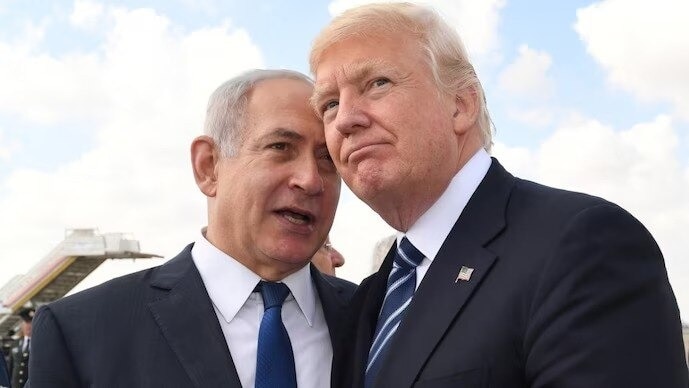
US and Israeli officials are coordinating potential strikes against Iran's power plants and oil refineries, though President Trump has yet to give the final green light. The move has triggered intense warnings from Tehran regarding retaliatory attacks.
Key Takeaways
- The US and Israel are planning extensive strikes targeting Iran's energy assets.
- President Donald Trump has signaled a hardline stance but has not issued final authorization.
- Iran has warned of comprehensive retaliation against US and Israeli infrastructure.
- The operation aims to disrupt Iran's ability to sustain military and governance functions.
The United States and Israel are reportedly preparing for one of the most significant military operations aimed at crippling Iran's energy infrastructure. According to multiple US officials cited by CBS News, the proposed campaign could target critical assets including oil refineries and power plants. However, President Donald Trump has held back on the final authorization for the strike.
Market Volatility and Timing
Military planners are reportedly considering executing the strikes before global financial markets reopen on Monday. This strategic timing is intended to mitigate the immediate chaos in global energy markets and prevent a wider economic meltdown. The focus remains on neutralizing Iran's capacity to fund and fuel its military operations.
Why This Matters: BozokMedia Analysis
BozokMedia analysis shows that this potential escalation represents a critical turning point in Middle Eastern geopolitics. By targeting energy, the US and Israel are moving beyond traditional military engagements to strike at the very heart of the Iranian state's survival. Such a move could fundamentally shift the regional power dynamic but carries the immense risk of a full-scale regional war.
A strike on Iranian energy sites could trigger a cascade of retaliatory actions across the entire Middle East.
While the White House, through Press Secretary Karoline Leavitt, emphasized the goal of preventing nuclear proliferation, the Pentagon has signaled full combat readiness. Meanwhile, Israeli officials have maintained a cautious stance, stating that no final decision to resume full-scale military operations has been made.
Historical Background
Tensions between Iran and the West have escalated significantly over the past decade, primarily driven by Iran's nuclear ambitions and its influence in regional proxy conflicts. The Strait of Hormuz remains a vital geopolitical chokepoint that could become a theater of war if these strikes proceed.
Frequently Asked Questions
1. What is the main target of the proposed strikes?
The primary targets are Iran's energy infrastructure, specifically oil refineries and power plants, to weaken its military capabilities.
2. Has Iran responded to these plans?
Yes, Iran has issued a stern warning, stating it has prepared a comprehensive response to target US and Israeli infrastructure in retaliation.

