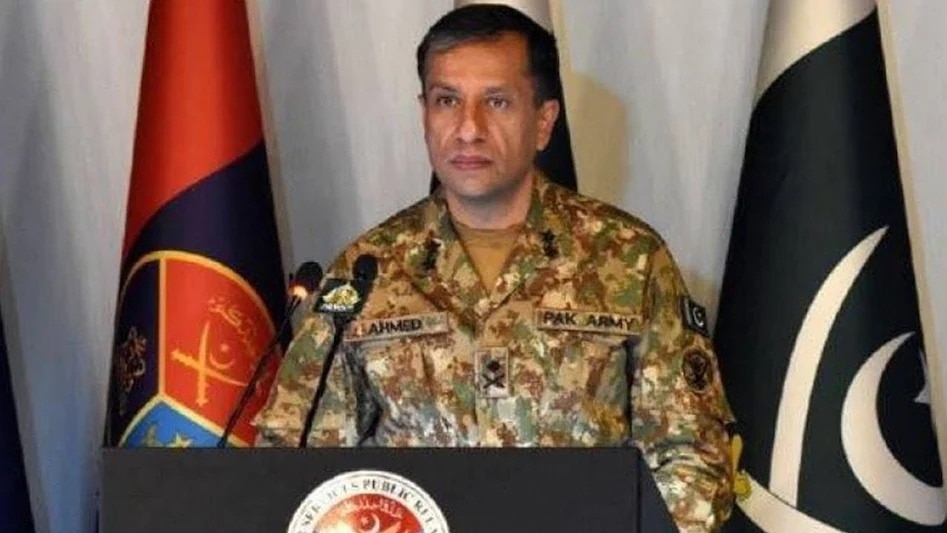
Provoked by the strengthening ties between India and Afghanistan, the Pakistan Army has issued a controversial statement using religious terms to warn the Taliban against 'infidels'.
Key Takeaways
- Pakistan Army expressed outrage over the growing closeness between India and Afghanistan.
- Spokesperson used religious rhetoric, advising the Taliban not to befriend 'infidels'.
- The military claimed a 'master-slave' relationship exists between India and the Taliban.
- Analysts suggest this is a diversion from Pakistan's internal security crises.
Rawalpindi: The Pakistan Army has once again attempted to target the growing diplomatic and cultural ties between India and the Afghan Taliban. During a recent press conference, Lieutenant General Ahmed Sharif Chaudhry, the military spokesperson, made highly controversial remarks, employing religious terminology to criticize the strengthening relationship between New Delhi and Kabul.
The tension escalated following a visit by an Afghan Taliban minister to India, during which he remarked that Indians and Afghans share the same 'DNA' and emphasized their deep-rooted historical and cultural connections. Reacting sharply to this, the Pakistani military spokesperson invoked religious references, stating that Muslims should not make 'infidels' (non-Muslims) their friends or protectors.
Why This Matters
BozokMedia analysis shows that Pakistan's shift toward religious rhetoric is a clear sign of geopolitical anxiety. As India successfully re-establishes its influence in Afghanistan through developmental and cultural outreach, Pakistan finds its traditional 'strategic depth' shrinking. By labeling the India-Afghan bond as a 'master-slave' relationship involving the BJP and RSS, the Pak Army is attempting to delegitimize India's regional standing.
Pakistan's reliance on religious polarization is a desperate attempt to mask its inability to compete diplomatically in the region.
Furthermore, the spokesperson accused the Taliban government of working at India's behest and criticized their governance. However, intelligence sources suggest that Pakistan's aggressive stance is a diversionary tactic. The country is currently grappling with severe internal instability, including terror attacks in Balochistan and Khyber Pakhtunkhwa, and mounting pressure regarding the security of China-Pakistan Economic Corridor (CPEC) projects.
Historical Background
Historically, Pakistan has sought to maintain significant influence over Afghan affairs to ensure security on its western border. However, the evolving landscape of regional diplomacy, led by India's soft power and developmental assistance, is challenging the traditional dominance Pakistan once held over Afghan politics.
Frequently Asked Questions
1. What was the specific religious warning given by the Pak Army?
The spokesperson suggested that according to religious interpretations, Muslims should avoid forming alliances with non-believers.
2. Why is Pakistan reacting so strongly to India-Afghan relations?
Pakistan fears losing its regional influence and is using religious rhetoric to counter India's growing diplomatic footprint in Afghanistan.