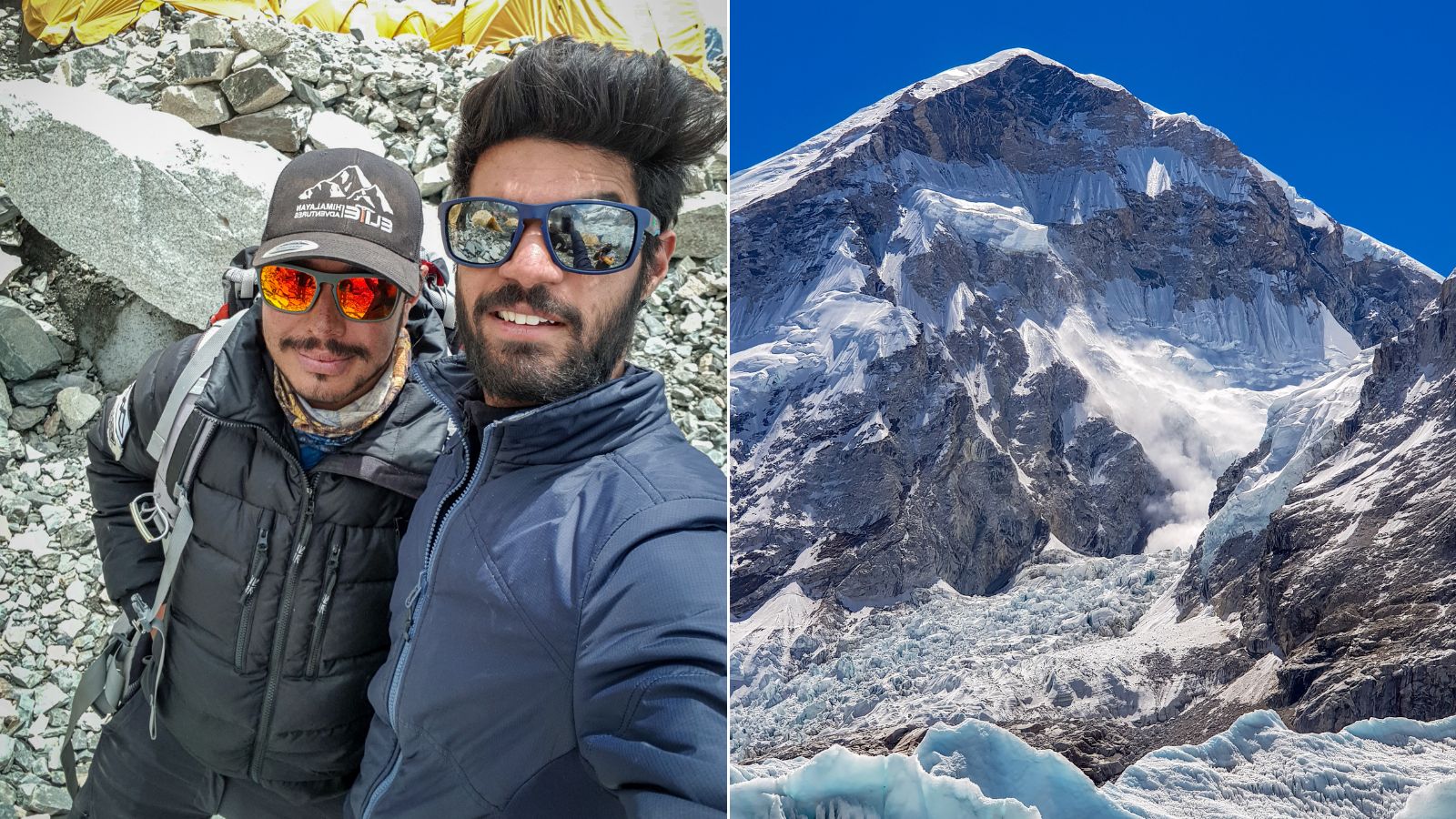
Western Himalayas are witnessing a sharp rise in avalanche incidents, putting mountaineers at greater risk. Climate change, heavier snowfall and overcrowding are amplifying the danger for climbers worldwide.
Key Takeaways
- Unusual July avalanche event
- Increasing snowfall linked to climate change
- Growing crowding and night‑climb hazards
Tragic Broad Peak Incident
Renowned Nepali mountaineer Nirmal Purja and his team were targeting Broad Peak in Pakistan’s Karakoram when a 6,600‑metre‑high avalanche slammed them down 300 metres. The disaster, which began on July 30, left three bodies recovered on Friday while the remaining seven members are still missing.
According to Dr. Hasan Raja Naqvi, an assistant professor at Jamia Millia Islamia, the highest avalanche risk traditionally falls between February and April. The July occurrence signals a clear climate‑driven shift in weather patterns.
Why This Matters
BozokMedia analysis shows that rising temperatures are destabilizing snowpacks, leading to unpredictable avalanches that jeopardize both seasoned climbers and novices. This shift will increase safety costs and could reshape the Himalayan tourism economy for years to come.
"The surge in spring‑time avalanches is a stark indicator of climate change," Dr. Naqvi warned.
Frequently Asked Questions
What is driving the increase in avalanches? Rapid temperature swings, uneven snow accumulation, and extreme precipitation are the primary contributors.
What measures are being taken to protect climbers? Authorities are implementing real‑time avalanche monitoring, improved route mapping, and considering night‑climb restrictions.