Donald Trump has stated that there are currently no negotiations taking place with Iran. Despite tensions, he claims the vital Strait of Hormuz remains open and operational.
- Donald Trump confirmed no diplomatic talks are currently scheduled with Iran.
- Trump maintains that the Strait of Hormuz is 'open and operating' despite naval presence.
- Tehran has contradicted Trump, claiming the Strait remains shut.
In a significant escalation of rhetoric, former President Donald Trump has addressed the ongoing standoff with Iran. Trump explicitly stated that no negotiations are currently underway with the Iranian government. This announcement comes at a critical juncture as global oil prices surge to their highest levels since July, driven by geopolitical instability in the Middle East.
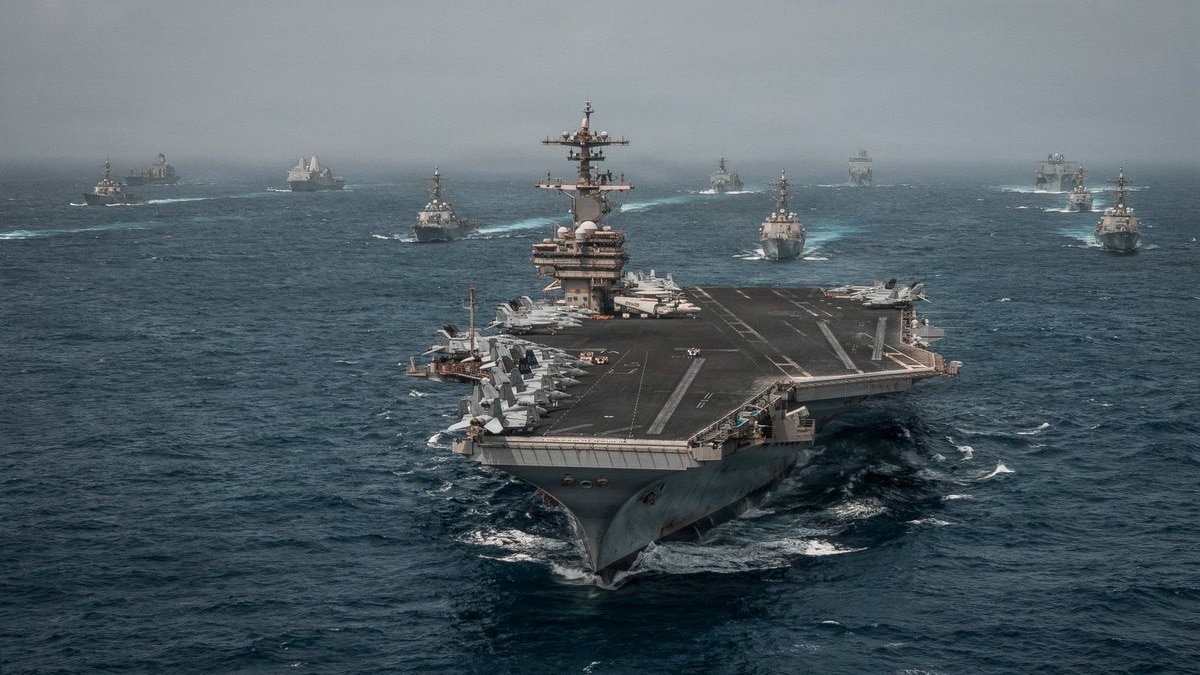
Addressing the maritime security concerns in the region, Trump asserted that the Strait of Hormuz is 'open and operating.' This claim stands in stark contrast to the heightened military presence of the US Navy and the strategic tensions that have characterized the region for months. The Strait is a vital artery for global energy, and any disruption there has immediate consequences for the global economy.
Why This Matters
BozokMedia analysis shows that Trump's hardline stance signals a potential return to the 'Maximum Pressure' campaign. The discrepancy between US claims and Iranian statements regarding the accessibility of the Strait creates a volatile environment for global commodity markets, particularly for crude oil.
The absence of a direct communication channel between Washington and Tehran significantly increases the risk of a miscalculation leading to kinetic conflict.
The situation is further complicated by conflicting reports. While Trump insists on the functionality of the waterway, Tehran has maintained that the Strait of Hormuz is effectively closed. This intelligence gap is causing massive fluctuations in energy futures and creating uncertainty among global shipping conglomerates.
Historical Background
The Strait of Hormuz is widely considered the world's most important oil transit chokepoint. Approximately one-fifth of the world's total oil consumption passes through this narrow passage. Historically, Iran has used the threat of closing the Strait as a primary lever of geopolitical influence against Western powers and Israel.
The current standoff reflects a long-standing pattern of brinkmanship. As US naval assets increase their footprint in the region to ensure freedom of navigation, the risk of accidental engagement remains at an all-time high, threatening the stability of the global energy supply chain.
Frequently Asked Questions
1. Is there any active diplomacy between the US and Iran?
According to Donald Trump, there are currently no talks or scheduled negotiations taking place.
2. Why is the Strait of Hormuz so important?
It is a crucial maritime passage through which a massive portion of the world's petroleum supplies are transported.