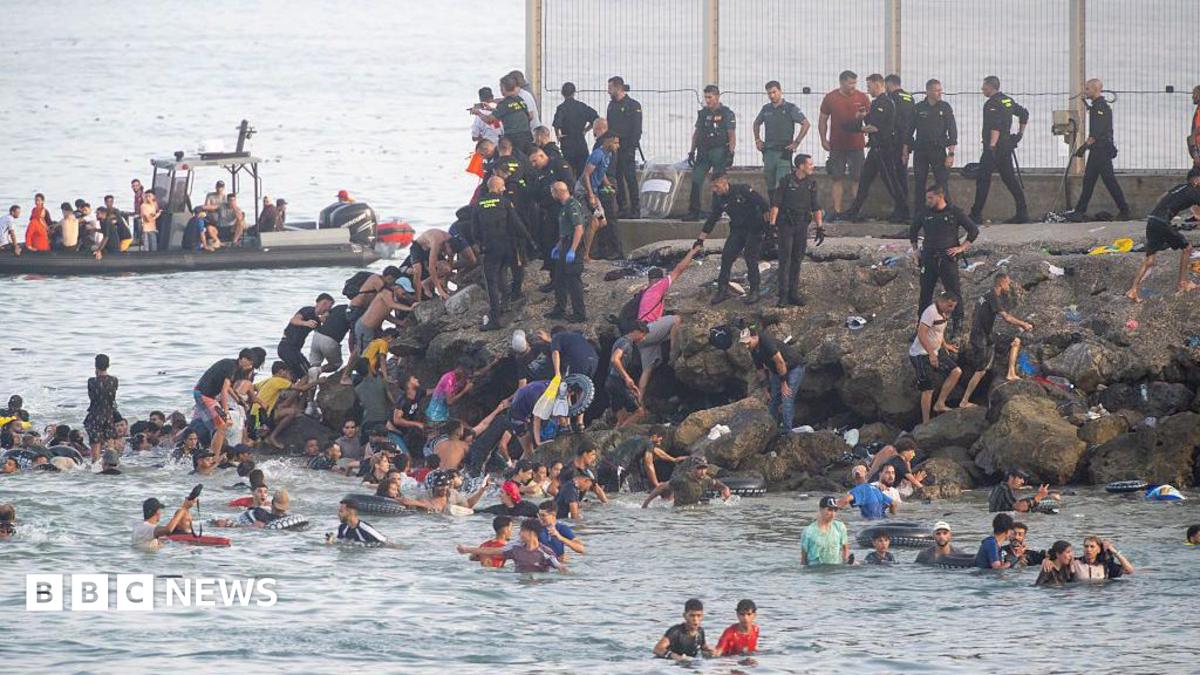
European Commission President Ursula von der Leyen urged immediate, united action on border security ahead of an emergency EU interior ministers' video conference. Spain reports 69,500 migrants returned to Morocco, with a death toll of 83 across both sides.
Key Takeaways
- Emergency video conference of EU interior ministers scheduled for Tuesday
- Spain has returned roughly 69,500 migrants to Morocco
- Von der Leyen stresses border protection as a shared European responsibility
Key Developments
European Commission President Ursula von der Leyen called for "united action" on border security following the chaotic influx of tens of thousands of migrants from Morocco into the Spanish exclave of Ceuta last week. In a letter to Spanish Prime Minister Pedro Sánchez, she praised his "swift handling" of the crisis but warned that more must be done to strengthen critical border points.
Spain estimates that about 69,500 migrants have now been returned to Morocco, surpassing earlier estimates of 50,000. The official death toll stands at 72 on the Spanish side and 11 on the Moroccan side.
In response, Italy temporarily suspended the Schengen arrangement with Spain, a move backed by Finland and Denmark. Czech Prime Minister Andrej Babiš also called for a temporary suspension of Spain’s Schengen membership.
Historical Background
Ceuta, a Spanish overseas territory on the North African coast, is not part of the Schengen Area. Historically, its strategic location has made it a focal point for irregular migration attempts, often resulting in tense standoffs and humanitarian concerns.
Why This Matters
BozokMedia analysis shows that the Ceuta episode underscores the fragility of the EU’s external border framework and the urgent need for coordinated policy responses. The incident forces EU leaders to revisit border‑security investments, migration‑return mechanisms, and the resilience of the Schengen system.
"The Ceuta crisis is a stark reminder that Europe must double down on border enforcement and dismantle smuggling networks before the situation spirals further," says migration security expert Dr. Elena Rossi.
Frequently Asked Questions
Q1: Is Ceuta part of the Schengen Area?
A: No, Ceuta is outside the Schengen Agreement, so EU free‑movement rules do not apply there.
Q2: What actions will the EU consider after this crisis?
A: The upcoming video conference will focus on strengthening external borders, enhancing early‑warning systems, dismantling smuggling rings, and improving return processes.
