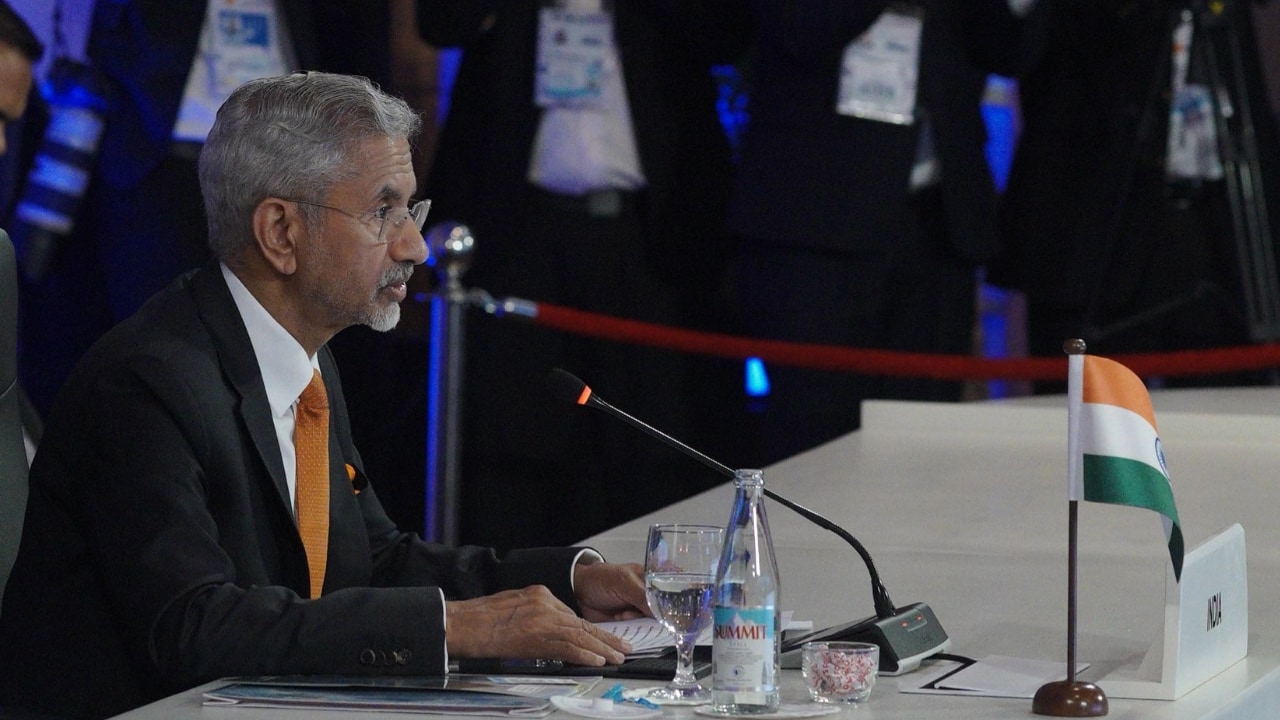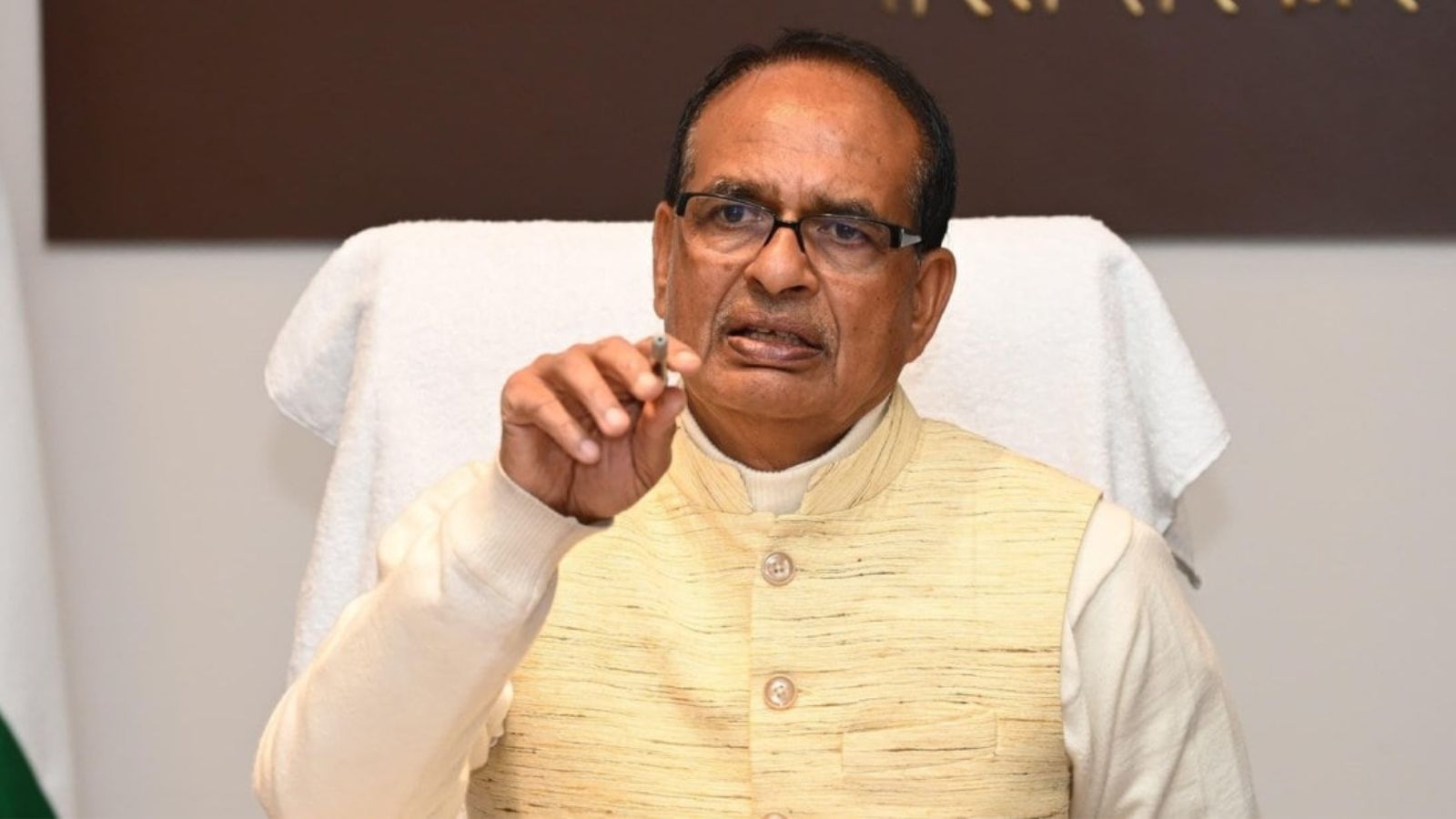
India's Agriculture Minister Shivraj Singh Chouhan met Taliban‑led Afghanistan's Agriculture Minister Mawlawi Ataullah Omari at the Pusa Campus to review bilateral agricultural ties. Both sides are negotiating an extension of the ICAR‑Afghan National Agricultural Science and Technology University agreement that expires in 2026.
New Delhi (Report) – Union Agriculture Minister Shivraj Singh Chouhan held a high‑level bilateral meeting on Wednesday with Afghanistan’s Taliban‑run government Agriculture Minister Mawlawi Ataullah Omari at the Indian Agricultural Research Institute’s Pusa Campus. The core agenda was the continuation and possible expansion of the existing Memorandum of Understanding (MoU) between the Indian Council of Agricultural Research (ICAR) and the Afghan National Agricultural Science and Technology University (NASTU), which is slated to lapse in 2026.
Historical Context of Indo‑Afghan Agricultural Cooperation
Since the early 2000s, India has been a key development partner for Afghanistan’s agrarian sector, providing training, seed technology, and irrigation expertise. The 2008 ICAR‑NASTU MoU enabled Afghan students to pursue advanced studies at Pusa, fostering expertise in crop protection, water‑use efficiency, and climate‑resilient farming. Analysts estimate that the partnership has contributed to a 15‑20% rise in Afghan farm yields, directly impacting food security for millions.
Key Outcomes of the Meeting
Both ministers agreed on several actionable points: (i) extending the MoU for at least another five years beyond 2026, (ii) establishing a joint research hub focused on drought‑tolerant seeds and climate‑smart agriculture, (iii) expanding scholarship and hands‑on training slots for Afghan students in India, and (iv) facilitating smoother agricultural trade by offering tariff concessions on select commodities.
Political and Security Considerations
While the Taliban’s control has brought a degree of stability, the security environment remains volatile, deterring private investors and technical partners. India proposed integrating security liaison units into project oversight to mitigate operational risks. Experts caution that sustained agricultural cooperation could be a catalyst for broader socio‑economic stability, especially by empowering rural women and creating off‑farm employment.
Future Implications
A renewed agreement would position the initiative as a flagship of India’s ‘Neighbourhood First’ policy, showcasing how strategic agricultural diplomacy can bridge political divides. Moreover, increased Afghan agricultural output could improve domestic food security, boost export earnings, and attract funding from multilateral development agencies eager to support resilient food systems.