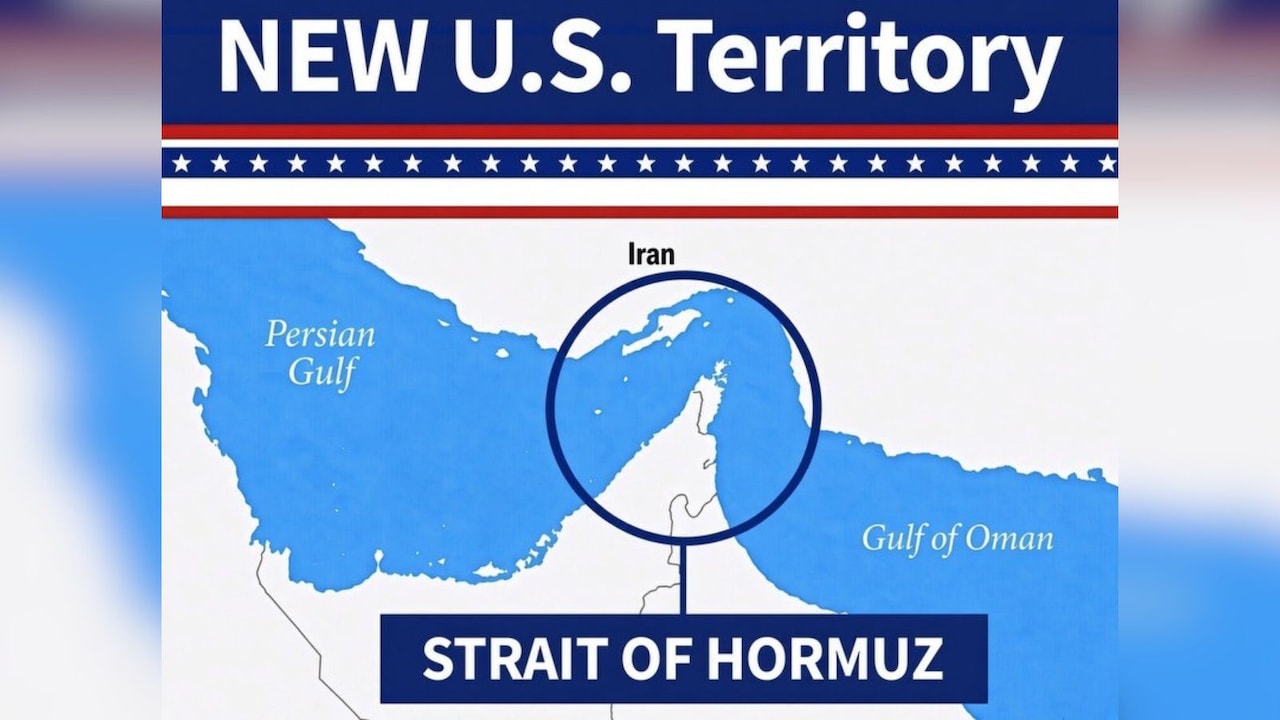
Former US President Donald Trump warned Iran to either strike a deal or hand over control of the Hormuz Strait to the United States. Iranian media dismissed the statement, while the US reiterated its commitment to regional stability.
Key Takeaways
- Trump delivered an ultimatum demanding Iran negotiate or surrender Hormuz
- U.S. Navy will not allow any vessel to pass without its permission
- Iranian outlets labeled the statement as "gone with the wind"
Former President Donald Trump recently told reporters that Iran must either reach an agreement or cede control of the strategic Hormuz Strait to the United States. He asserted that no ship would be allowed to traverse the waterway without explicit U.S. Navy clearance.
Iranian media responded with sharp sarcasm, describing the proclamation as "gone with the wind." Iranian officials warned that any U.S. attempt to enforce the demand would be viewed as an attack comparable to a world war scenario.
Historical Background
The Hormuz Strait, a narrow 21‑meter‑deep channel, handles roughly 20% of the world’s oil shipments. Since the 1979 Islamic Revolution, U.S.–Iran tensions over this chokepoint have flared repeatedly, including the 2019 U.S. drone strike that heightened regional anxieties.
Why This Matters
BozokMedia analysis shows that Trump’s ultimatum could reshape energy security and global trade routes. If the U.S. secures control over Hormuz, oil prices may spike and existing Middle‑East alliances could be forced to recalibrate.
"Control of Hormuz means redefining maritime logistics, which directly impacts the global economy," noted Dr. Ali Hussain, security analyst.
Frequently Asked Questions
Question 1: Can Trump’s statement be enforced legally?
Answer: As a former president, Trump’s direct authority is limited, but his remarks can influence policy direction.
Question 2: What might Iran’s response look like?
Answer: Iran has already signaled it will boost naval capabilities and may consider retaliatory measures.