The United States has re‑imposed its economic blockade on Iranian ports in response to attacks on commercial vessels in the Strait of Hormuz. Simultaneously, new airstrikes were launched, raising the risk of a broader conflict in the Middle East.
Key Takeaways
- US reinstates economic blockade on Iranian ports
- New airstrikes target Iranian maritime capabilities
- Interim cease‑fire crumbling; risk of full‑scale war rising
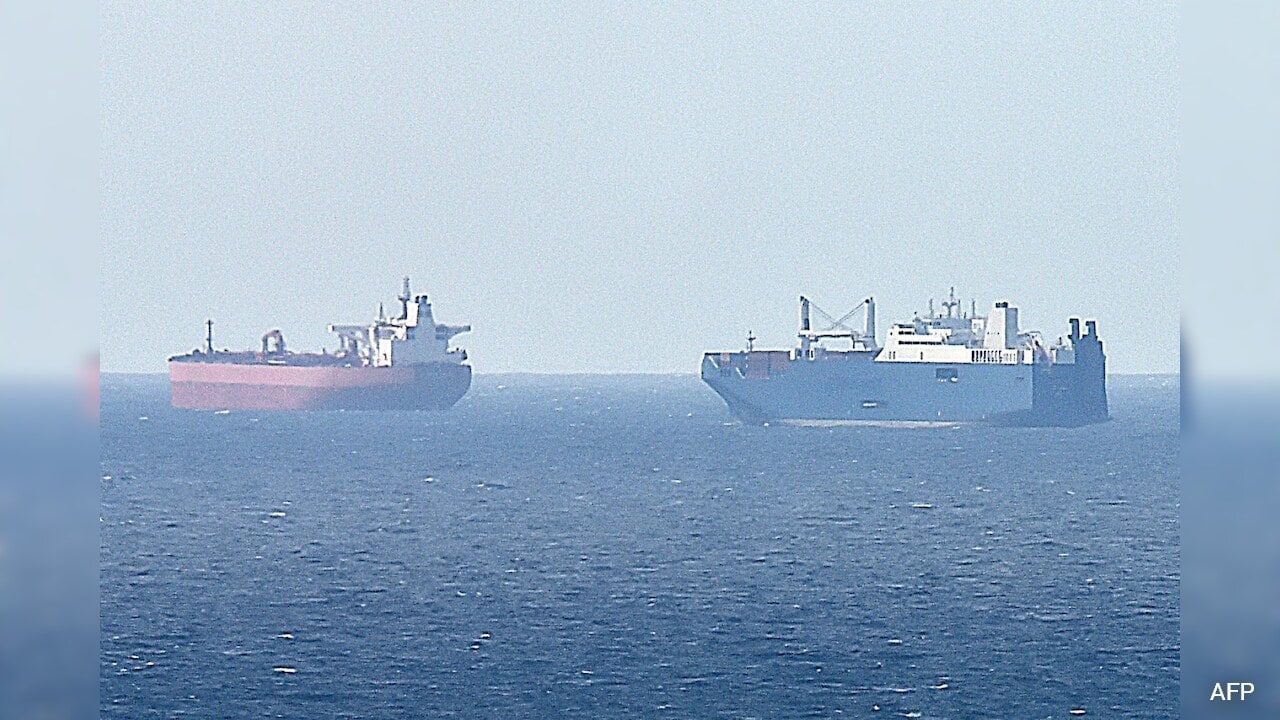
The United States announced on Tuesday that it has reinstated the economic blockade on Iran’s major ports, effectively tightening the chokehold on the strategically vital Strait of Hormuz. The move comes after a series of Iranian attacks on commercial ships transiting the waterway, which carries roughly 20 percent of global oil shipments.
Historical Context
Hormuz has long been a flashpoint between Tehran and Washington. In 2019, Iran’s missile strikes on U.S. naval vessels prompted the first U.S. blockade of Iranian ports. Although a temporary cease‑fire agreement was signed in 2023‑24, sporadic harassment of merchant vessels persisted, and the region remained volatile.
Details of the New Airstrikes
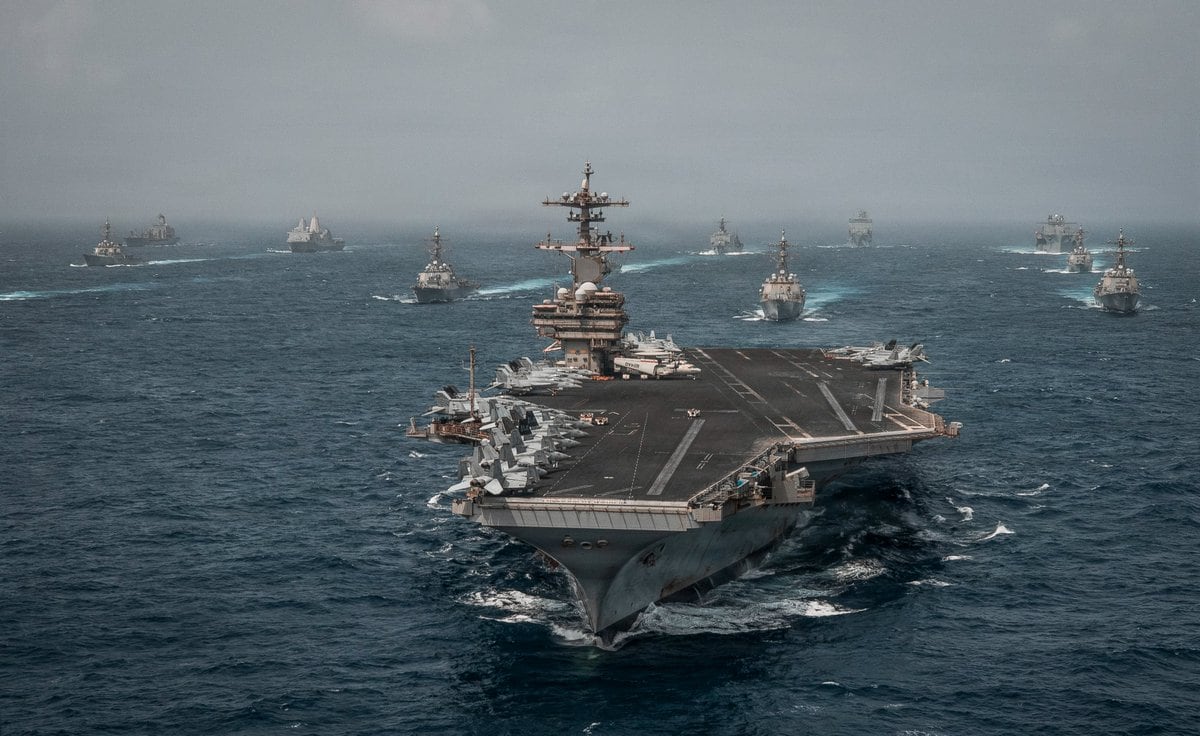
Alongside the blockade, the U.S. Air Force launched a series of precision strikes against Iranian military installations in the southern region. Officials emphasized “targeted, minimal‑civilian‑casualty” operations, yet human‑rights observers warned of potential collateral damage. The strikes aim to degrade Iran’s naval capabilities and deter any escalation that could trigger a larger war.
International Reactions and Future Outlook
With the interim cease‑fire unraveling, the prospect of a full‑scale conflict has grown palpable. The European Union and the United Nations have urgently called for a return to diplomatic talks, while China and Russia have offered mediation to preserve regional stability. Meanwhile, oil markets have already felt the shock, with prices spiking as investors brace for supply disruptions.
Is This a Permanent Shift?
Analysts warn that without a diplomatic breakthrough, the blockade and airstrikes could spiral into a prolonged confrontation, threatening not just maritime traffic but global energy security. Prompt, coordinated diplomatic action now appears to be the only viable path to prevent an all‑out war in the Middle East.