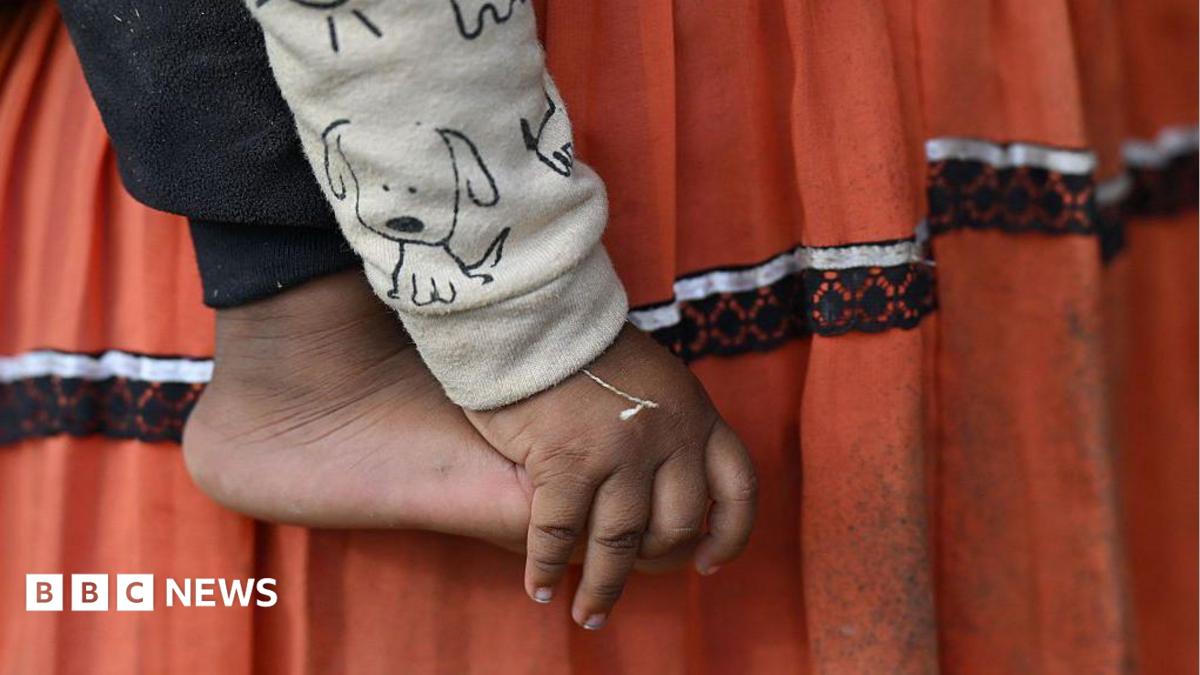
In a historic move, Colombia has become the first country in Latin America to criminalize Female Genital Mutilation (FGM), targeting a dangerous practice deeply embedded in certain indigenous communities.
Key Takeaways
- Colombia is the first Latin American nation to outlaw Female Genital Mutilation (FGM).
- The ban targets a secretive practice prevalent in some indigenous groups, like the Emberá.
- Activists emphasize that FGM is a form of gender-based violence, not a cultural necessity.
- Medical experts warn that official statistics likely underrepresent the true scale of the issue.
In what activists are hailing as a monumental victory for human rights, Colombia has officially become the first country in Latin America to make Female Genital Mutilation (FGM) illegal. The bill, passed unanimously by the Colombian Congress, marks the culmination of years of grueling advocacy to eradicate a practice that is often shrouded in secrecy and tradition.
The human cost of this practice is devastating. Carla Quiñonez, an activist, recounted the harrowing experience of her own daughter, who was subjected to FGM by her great-grandmother at just six months old. The infant suffered from fever, swelling, and constant bleeding. The justification provided by the elder was rooted in deep-seated social stigma, claiming it was necessary to prevent ridicule from men—a testament to the patriarchal pressures driving the practice.
Why This Matters
BozokMedia analysis shows that FGM is not merely a traditional ritual but a profound form of sexual and gender-based violence. Beyond the immediate physical trauma, the long-term medical consequences are severe, including chronic infections, complications during childbirth, and lifelong psychological scarring. By criminalizing this act, Colombia is setting a legal precedent for the entire region to prioritize bodily autonomy over harmful traditions.
"Our culture is our clothing, our crafts, our dances and our language, not a practice that kills. Culture does not kill." — Juliana Domico, Legal Representative of the Emberá Confederation.
Medical professionals are also sounding the alarm. Dr. Diana Ramos Mosquera, a pediatrician, notes that many cases go unreported because victims are often children or because the practice is hidden within communities. She has treated girls with severe complications, including cases where reconstructive surgery was the only option to restore basic physiological functions. Experts believe the reported cases are merely 'the tip of the iceberg.'
Historical Context
The prevalence of FGM in Colombia, particularly among the Emberá community, remains a subject of debate. Some historians suggest the practice may have been introduced via enslaved populations from Africa, while others point to patriarchal beliefs regarding female sexuality and control. Regardless of its origin, the new law aims to decouple cultural identity from harmful physical practices.
Frequently Asked Questions
1. What is Female Genital Mutilation (FGM)?
FGM refers to all procedures involving partial or total removal of the external female genitalia for non-medical reasons.
2. How does this law impact indigenous communities?
The law criminalizes the act while activists urge the government to use education and public policy to implement change within these communities respectfully.