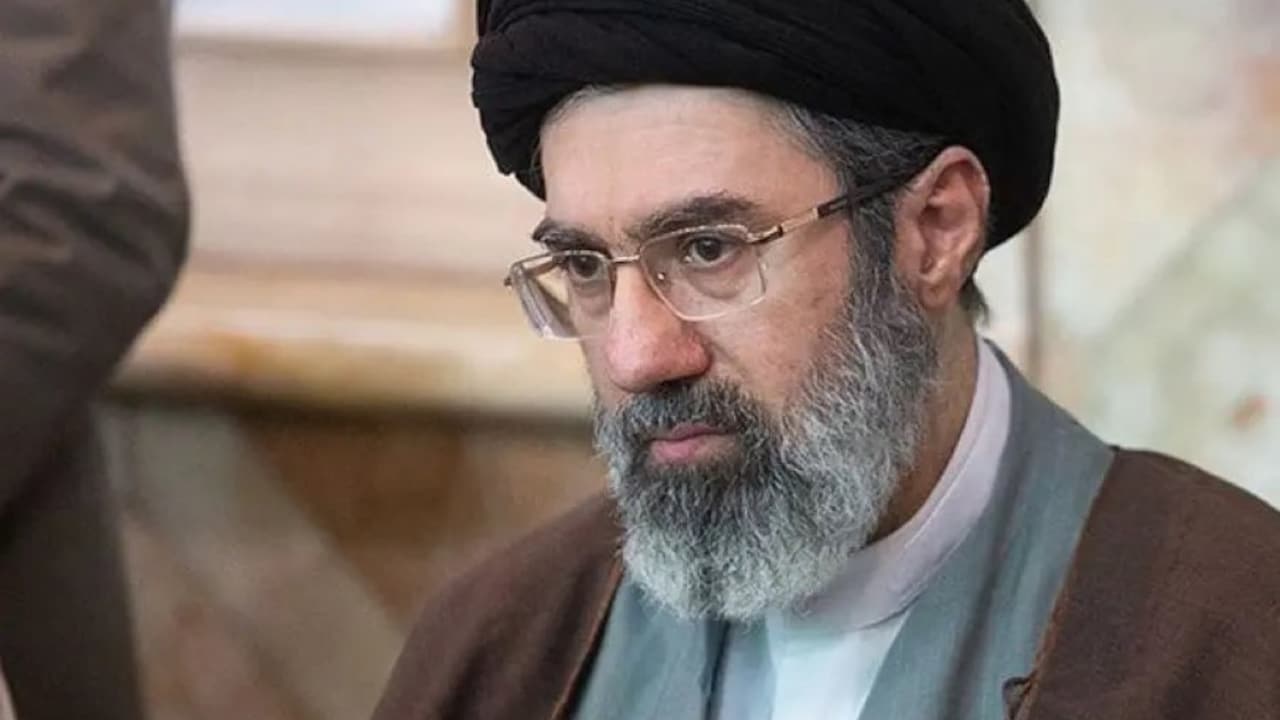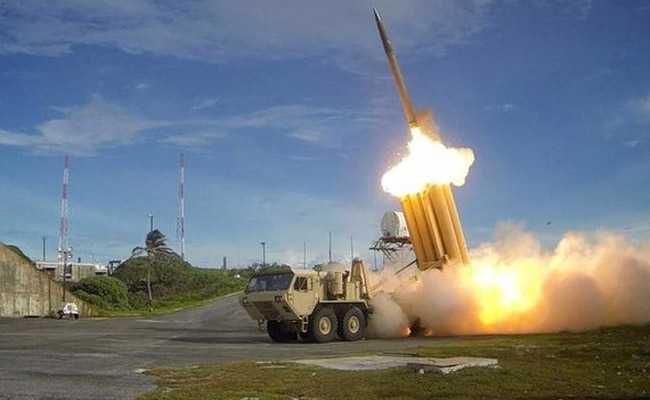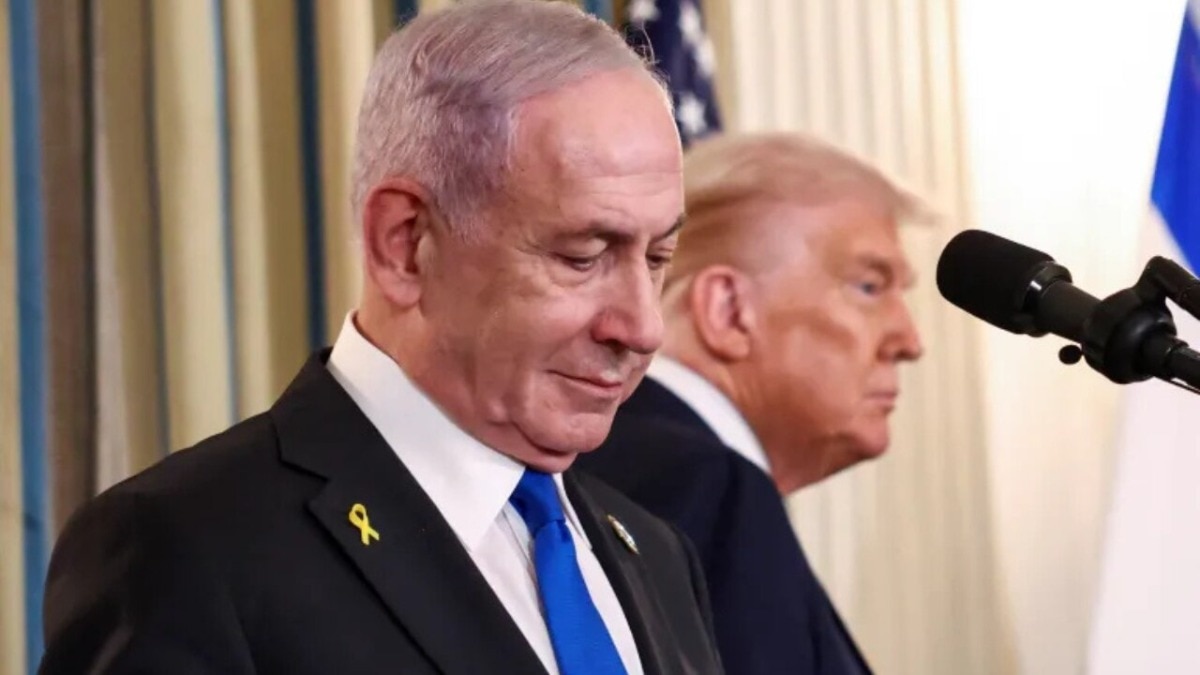
Israeli PM Benjamin Netanyahu has officially rejected a disarmament proposal from the Trump administration, emphasizing that military operations will continue until Hamas is completely dismantled. The move highlights a significant rift between Washington and Jerusalem.
Key Takeaways
- PM Netanyahu rejected the US draft proposal for Hamas disarmament.
- Israel refuses to withdraw from current military positions in Gaza.
- Donald Trump had previously claimed a 'major breakthrough' in negotiations.
- Hamas demands complete Israeli withdrawal before any agreement.
Israeli Prime Minister Benjamin Netanyahu has decisively rejected a draft proposal put forward by Donald Trump's administration, which sought to secure the complete disarmament of Hamas as part of a broader peace roadmap for Gaza. Netanyahu also ruled out any Israeli withdrawal from its current military positions within the Gaza Strip.
The Prime Minister's remarks have effectively punctured President Trump's recent claims of a diplomatic breakthrough. While Trump had hailed the initiative as a "major milestone" for the Middle East, Netanyahu stated clearly that the Israeli government did not agree to the terms sent by the US team. "We are standing firm on our interests, with both wisdom and firmness," the Israeli leadership maintained.
Why This Matters
BozokMedia analysis shows that this rejection creates a massive diplomatic vacuum. The widening gap between Washington's desire for a rapid ceasefire and Jerusalem's demand for total victory threatens to derail all regional mediation efforts. If the US cannot align its interests with Israel's security requirements, the proposed 'Board of Peace' roadmap may fail to achieve its primary objective of demilitarization.
Netanyahu's stance underscores that for Israel, military dominance over Hamas remains non-negotiable, regardless of international diplomatic pressure.
The conflict is further complicated by Hamas's stance. Senior Hamas official Ghazi Hamad noted that any implementation of a ceasefire depends on Israel ending its military operations and withdrawing its forces. The Trump-led proposal suggested that heavy weapons and tunnels would be decommissioned under a National Committee, but the lack of consensus between the warring parties makes this vision difficult to realize.
Historical Background
The ongoing conflict in Gaza has seen multiple rounds of failed ceasefires and intense military campaigns. Previous frameworks, such as those discussed in Sharm el-Sheikh, have struggled to address the core issues of security and Palestinian governance, leading to the current high-stakes diplomatic standoff involving the US administration.
Frequently Asked Questions
1. What was the core of Trump's proposal?
The proposal aimed for the complete disarmament of Hamas and the transition of Gaza to civilian governance under a specialized committee.
2. Why is Israel refusing to withdraw?
Israel maintains that Hamas remains a direct threat and that a full military victory is necessary to ensure long-term security.