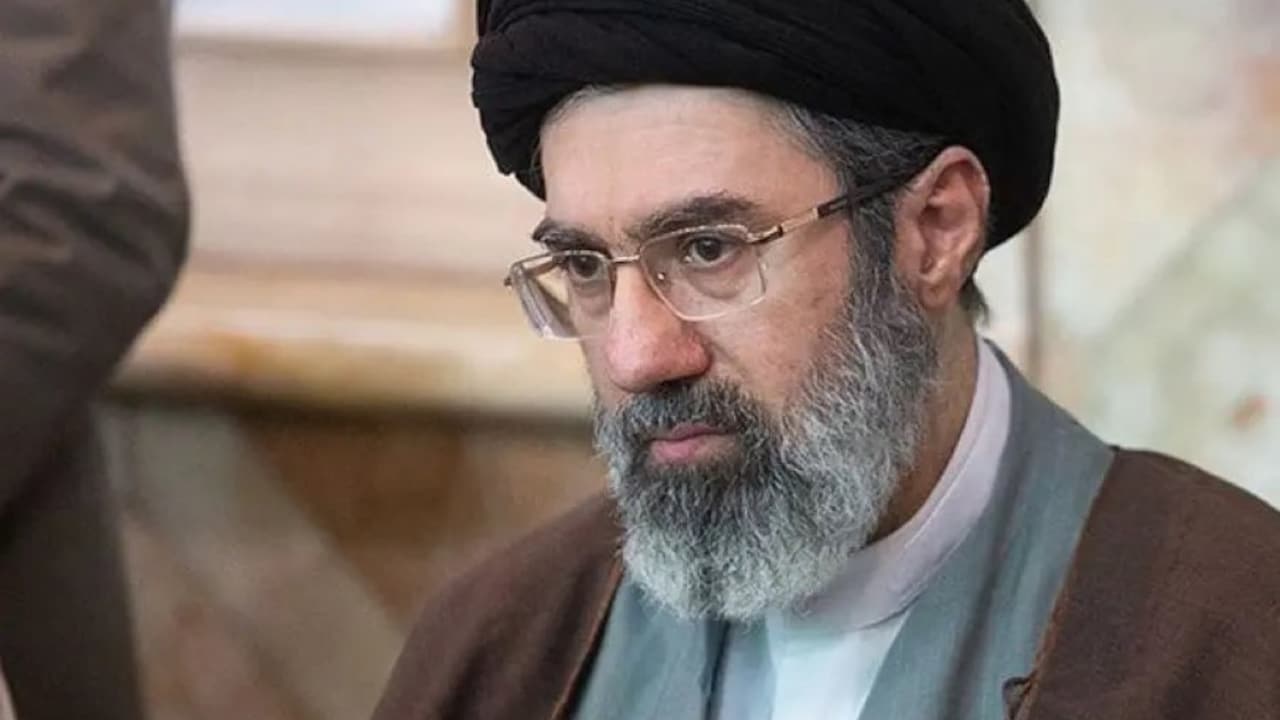
A massive political rift has emerged in Tehran as Mojtaba reportedly issues a final ultimatum to President Pezeshkian, amid claims that Khamenei has neutralized the President's leverage.
Key Takeaways
- Mojtaba has reportedly issued a decisive ultimatum to President Pezeshkian.
- President Pezeshkian has allegedly used resignation threats as political leverage.
- Supreme Leader Khamenei has reportedly refused to intervene in Pezeshkian's potential resignation.
The political landscape in Tehran is witnessing unprecedented volatility. According to reports from the Israeli broadcaster Channel 14, citing sources close to the Iranian leadership, Mojtaba has issued what is being described as a "final ultimatum" to President Masoud Pezeshkian. This development comes at a time when the internal friction between the presidency and the clerical establishment is at an all-time high.
The Erosion of Presidential Power
For months, President Pezeshkian has reportedly used the threat of resignation as a tactical tool during intense policy disagreements with the hardline factions. However, the tide seems to have turned. Sources suggest that Supreme Leader Ali Khamenei has effectively stripped Pezeshkian of his primary political leverage by refusing to discourage or prevent future resignation attempts, signaling a lack of confidence in the current administration.
Why This Matters
BozokMedia analysis shows that this internal power struggle could lead to a significant vacuum in Iranian governance. If the President is forced out or chooses to step down, the transition of power will be managed strictly by the clerical elite, potentially sidelining any reformist agendas that Pezeshkian represented.
The presidency in Iran is increasingly becoming a ceremonial role, while the real decision-making remains concentrated within the Supreme Leader's circle.
Historical Background
The tension between the elected presidency and the unelected Supreme Leader is a recurring theme in Iranian history. While the President manages the day-to-day administration, the Supreme Leader holds ultimate authority over foreign policy, national security, and the judiciary.
Frequently Asked Questions
1. What is the 'Final Ultimatum'?
It refers to the intense pressure being applied by Mojtaba's faction to force a resolution to the current policy deadlock.
2. How does this affect global politics?
Instability in Iran can lead to shifts in Middle Eastern security dynamics and international relations regarding nuclear negotiations.