Recent Iranian attacks have exposed the limitations of external security guarantees, prompting Gulf nations to architect a self-reliant regional security ecosystem.
Key Takeaways
- Iranian strikes highlighted the vulnerability of relying solely on external security umbrellas.
- Gulf states are transitioning from passive recipients of protection to active architects of a security ecosystem.
- A multi-layered approach involving the US, Europe, GCC, and R4 nations is essential for long-term stability.
Peace in the Gulf has often been a transient state, marked by fragile ceasefires and short-lived memorandums. The recent wave of Iranian missile and drone attacks has shattered the illusion that existing diplomatic tracks and external guarantees are sufficient. Governments in Riyadh, Doha, and Abu Dhabi are realizing that geographic destiny requires more than just a security umbrella; it requires a robust security ecosystem.
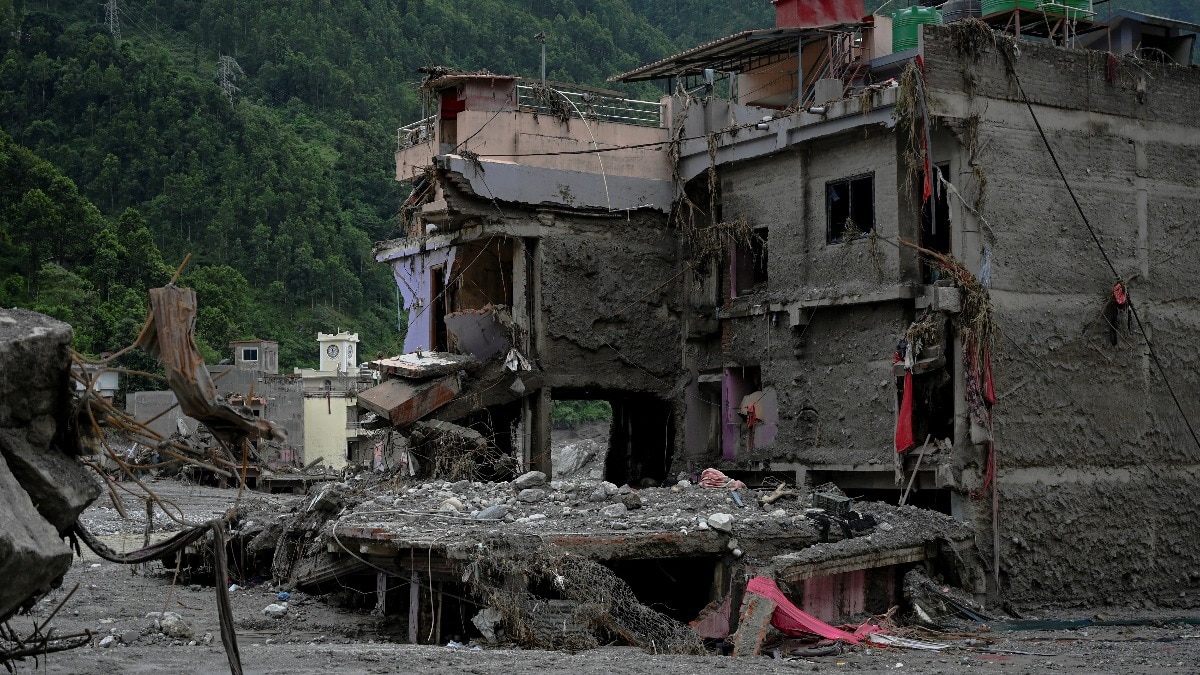
The nature of the conflict has evolved beyond traditional warfare. In Qatar, for instance, approximately 65 percent of Iranian attacks targeted civilian infrastructure, including desalination plants and energy facilities. This strategy was designed to inflict maximum economic pain and disrupt the very lifeblood of the Gulf societies, aiming to force political concessions through civilian coercion.
Why This Matters
BozokMedia analysis shows that while the Gulf's integrated air and missile defenses successfully intercepted much of the incoming threat, the broader political architecture failed to prevent the region from being dragged into a conflict it did not start. The refusal of Gulf states to escalate is not a sign of weakness, but a calculated restraint backed by functioning defense systems.
The Gulf needs a security ecosystem that it assembles, rather than protection that it merely receives.
Building this ecosystem requires a four-layered approach: leveraging US and European enabling capacities, strengthening the GCC core, expanding regional partnerships like the R4 (Egypt, Saudi Arabia, Türkiye, and Pakistan), and developing a localized industrial base. The goal is not to diversify away from the US, but to diversify with the US through joint planning and interoperability.
Historical Background
For half a century, the security of the Gulf has been anchored in US-led guarantees. However, the recent realization that critical decisions are often made elsewhere—while Gulf citizens bear the direct brunt of the strikes—has catalyzed a shift toward strategic autonomy and regional integration.
Frequently Asked Questions
1. What is the difference between a security umbrella and a security ecosystem?
A security umbrella relies on an external power for protection, whereas an ecosystem is a self-assembled network of integrated defenses, intelligence, and regional partnerships.
2. Who are the members of the R4 group?
The R4 consists of Egypt, Saudi Arabia, Türkiye, and Pakistan, working to provide strategic mass to regional security frameworks.