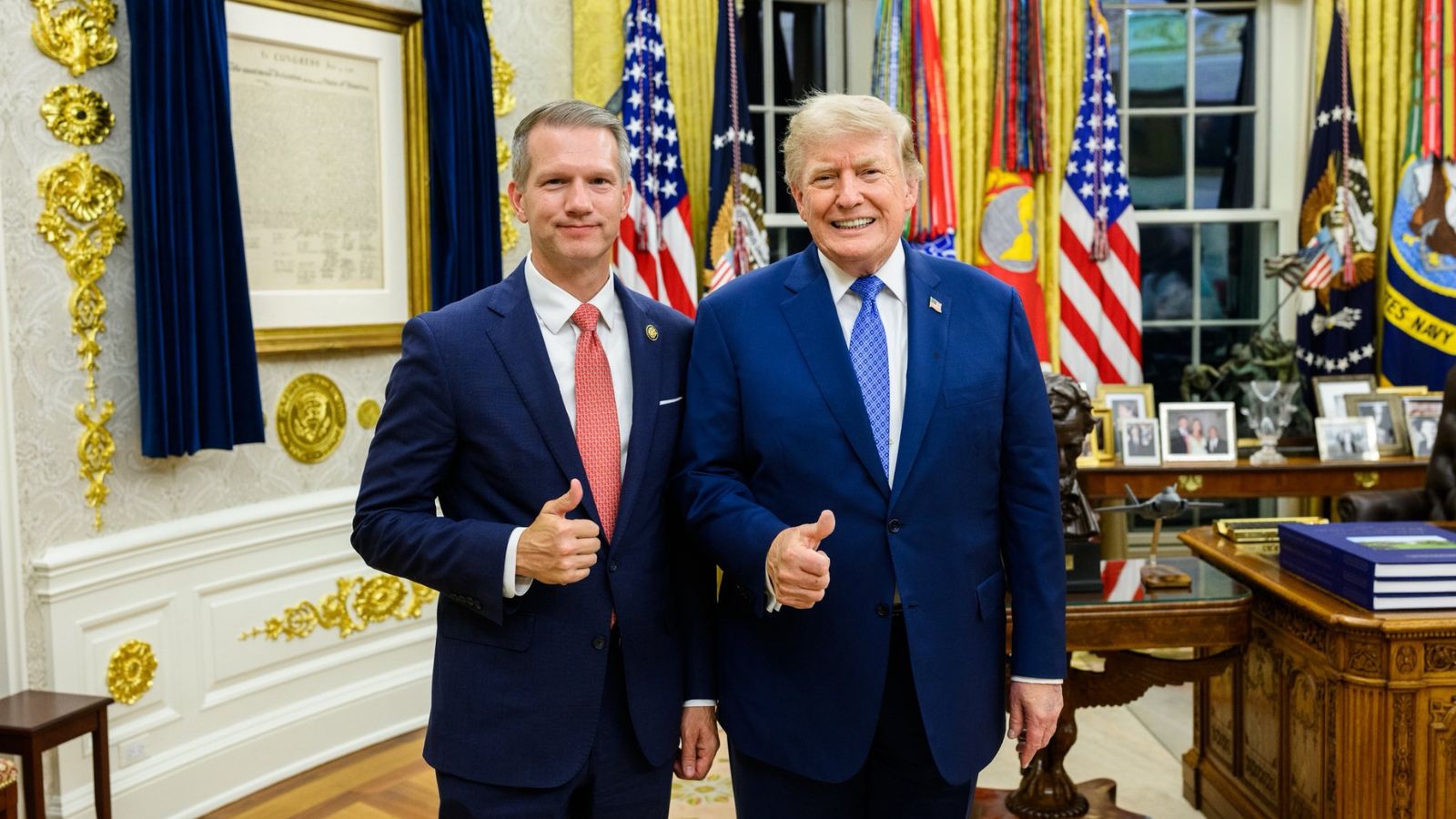
Republican Congressman Riley Moore denounced the proposed amendments to India’s Foreign Contribution Regulation Act (FCRA) as a direct threat to Christian institutions. He warned that the changes could strain India‑U.S. ties.
Key Takeaways
- Rep. Riley Moore labels FCRA amendments an attack on Christians
- Bill empowers government to take over foreign‑funded religious charities
- Potential new friction in India‑U.S. bilateral relations
Brief Overview
Republican Congressman Riley Moore of West Virginia sharply criticized the Foreign Contribution Regulation Amendment Bill, 2026. He warned that the legislation would allow the Indian government to seize control of churches and religious charities receiving foreign donations.
Proposed Changes
The bill seeks to create a “Designated Authority” that would assume management of foreign contributions and assets if an organization’s FCRA registration is cancelled or expires. This could affect NGOs, educational institutions, and a wide range of religious bodies.
Historical Background
India first tightened its FCRA in 2010 to curb misuse of foreign funds. Over the past decade, periodic revisions have been introduced, citing national security and transparency concerns.
Why This Matters
BozokMedia analysis shows that any perceived targeting of religious minorities can amplify diplomatic sensitivities, potentially influencing future aid and trade negotiations between New Delhi and Washington.
"If the amendment proceeds without safeguards, it could set a precedent for state overreach into religious philanthropy," says legal scholar Dr. Ananya Sharma.
Frequently Asked Questions
Q1: Will the bill affect all religious organizations?
A1: While the bill is broad, it primarily targets entities whose FCRA registration is revoked, which may include many churches.
Q2: How might this issue impact India‑U.S. relations?
A2: The controversy could lead to heightened diplomatic dialogue and possible tension in bilateral cooperation.