In a narrow 5-4 ruling, the US Supreme Court has permitted the Trump administration to continue the construction of a lavish $400 million ballroom and security complex at the White House, overriding lower court objections.
- The US Supreme Court granted a stay on a lower court's order in a 5-4 split decision.
- The $400 million project includes a 90,000-square-foot ballroom and a high-tech underground military complex.
- The ruling prioritizes national security claims over historic preservation concerns.
- Chief Justice John Roberts dissented, citing the lack of express Congressional authorization.
The US Supreme Court on Monday cleared the way for Donald Trump's administration to proceed with the construction of a massive White House ballroom project. The ruling comes as a significant victory for the Republican president, who has been locked in a legal battle against a judicial order that sought to halt the development of the $400 million facility.
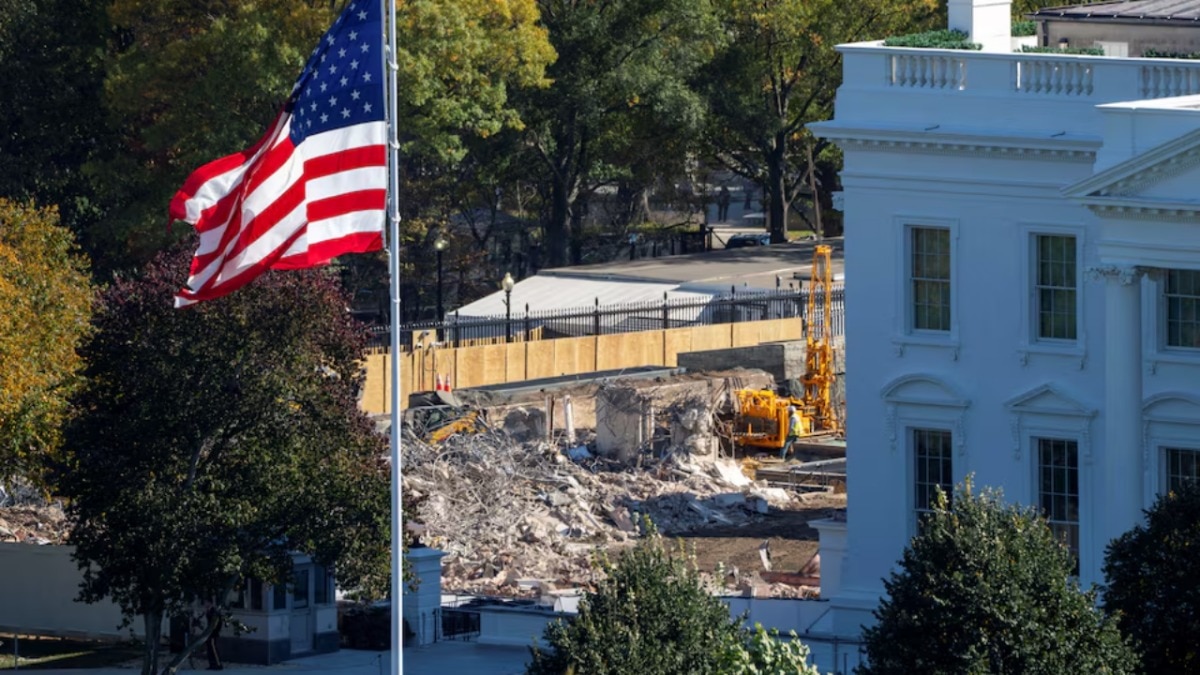
In a 5-4 decision, the justices blocked a lower court's order that had frozen above-ground construction. The lawsuit was initiated by the National Trust for Historic Preservation, a nonprofit organization arguing that the administration lacked the unilateral authority to demolish the East Wing and erect a new structure without specific approval from Congress.
Why This Matters
BozokMedia analysis shows that this ruling underscores a growing trend where the conservative-leaning Supreme Court grants broad deference to executive claims of "national security." By allowing construction to proceed despite a lack of legislative approval, the court is effectively expanding the operational autonomy of the presidency over federal landmarks.
The decision was not unanimous. Chief Justice John Roberts, joined by the three liberal justices, dissented. Roberts argued that the construction is "likely unlawful," emphasizing that Congress holds plenary constitutional authority over federal property in the District of Columbia. He noted that no law had been passed granting "express authority" for this specific project.
"Each President is a temporary tenant, not the owner, of the White House, and cannot fundamentally reshape it without congressional approval."
The administration has defended the project as a critical security necessity. Justice Department lawyers argued that the ballroom is part of an "integrated military complex" designed to protect the president from drones, missiles, and assassination attempts. Trump has described the facility as a "military center" and slammed previous court rulings as politically motivated.
The project is part of a larger vision to reshape the Washington landscape, including plans for a 250-foot arch and a revamp of the Kennedy Center. According to official filings, the East Wing project is currently 65% complete, combining opulent above-ground spaces with bomb shelters and medical facilities underground.
Frequently Asked Questions
1. What is the total cost of the project?
The estimated cost for the ballroom and the associated security complex is $400 million.
2. Why did Chief Justice Roberts dissent?
He believed that the executive branch cannot build on federal park grounds (President's Park) without express authorization from Congress.