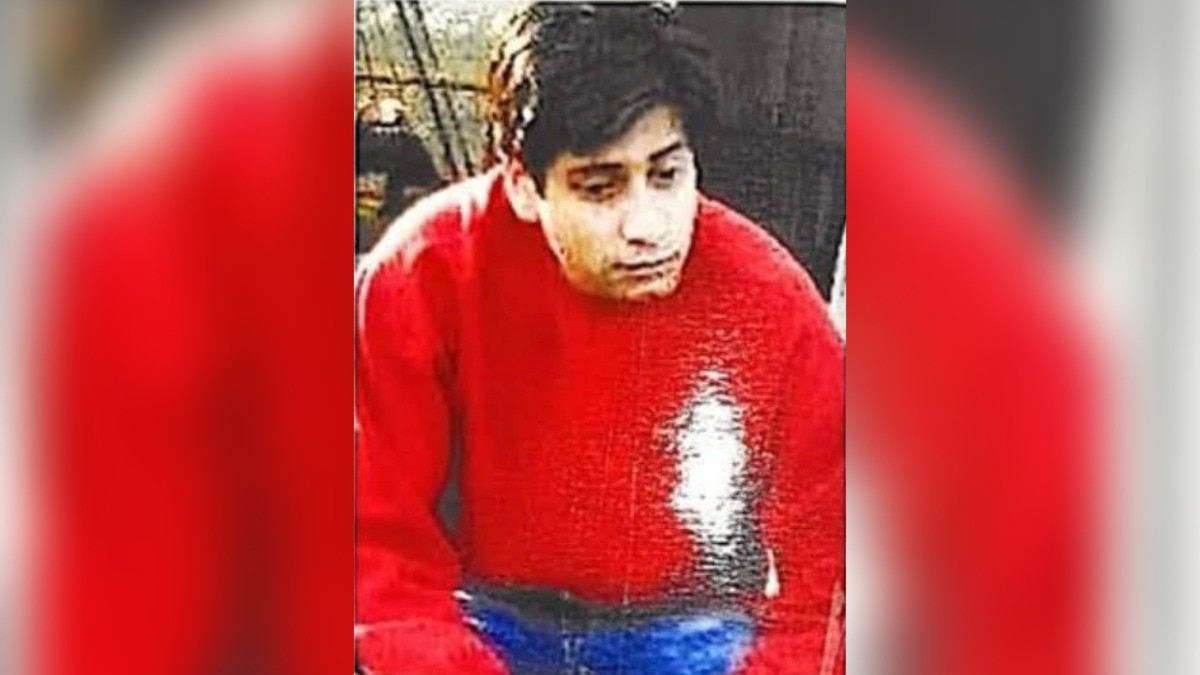
India's request to extradite Hussain Shattaf, accused of a 2006 murder of a retired merchant navy captain, faces a new hurdle as the UAE seeks further documentation, prolonging a two‑decade‑long pursuit of justice.
Key Takeaways
- India formally requested Shattaf's extradition from the UAE.
- The UAE has asked for additional documentation.
- The Virdi family has waited over 20 years for a trial.
New Delhi's Ministry of External Affairs (MEA) confirmed that the extradition request for Hussain Shattaf—the prime suspect in the 2006 murder of retired Merchant Navy Captain Manmohan Singh Virdi—has been sent to the United Arab Emirates. Spokesperson Randhir Jaiswal said the UAE is now seeking extra paperwork, and India is working swiftly to provide it.
Shattaf, also known as Hussain Mehboob Khokhawala, fled India shortly after the murder and has been living in the UAE. Besides the homicide charge, he faces allegations of forgery, criminal breach of trust, and obtaining an Indian passport using false information, including a forged marriage certificate to secure UAE residency.
The Virdi family recently appealed directly to Prime Minister Narendra Modi, urging faster action. They argue that the prolonged extradition delay has stalled the murder trial and denied them justice for more than two decades.
Why This Matters
BozokMedia analysis shows that this case highlights the complexities of Indo‑UAE legal cooperation and sets a precedent for future extradition requests involving serious crimes. The outcome could influence diplomatic relations and the perception of India's commitment to delivering justice for its citizens abroad.
"Documentary clarity is the primary bottleneck in extradition cases; resolving it promptly accelerates the delivery of justice." – International law expert Dr. Anita Sharma
Frequently Asked Questions
Question 1: What specific documents is the UAE requesting?
Answer: The MEA has not disclosed the exact list, but typical requests include identity verification, crime evidence, and compliance with international legal standards.
Question 2: What happens after extradition is approved?
Answer: Shattaf will be transferred to India, where he will face trial for murder, forgery, and passport fraud.