Despite intensifying Israeli strikes in southern Lebanon, President Joseph Aoun expressed optimism regarding ceasefire and prisoner exchange negotiations held in Rome.
Key Takeaways
- Negotiations in Rome covered ceasefires, border demarcation, and prisoner exchanges.
- President Joseph Aoun signaled 'positive progress' regarding border issues.
- Israeli military strikes continue in southern Lebanon, targeting infrastructure and personnel.
Lebanon’s President Joseph Aoun has projected a hopeful outlook following the latest round of high-stakes meetings between Lebanon and Israel in Rome. During a cabinet session on Friday, Aoun revealed that the discussions addressed critical components of a potential peace framework, including a ceasefire, the demolition of homes, border disputes, prisoner exchanges, and the establishment of 'pilot zones'.
The President highlighted significant strides in resolving border tensions and prisoner issues, stating his hope that "practical steps will soon emerge." Aoun also underscored his recent diplomatic engagements with U.S. President Donald Trump and Secretary of State Marco Rubio, asserting that the United States understands the gravity of Lebanon's current situation. This sentiment was echoed by the U.S. State Department, which described the talks as "fruitful."
Why This Matters
BozokMedia analysis shows that while diplomatic channels are opening, the gap between high-level negotiations and battlefield reality remains dangerously wide. The success of the 'pilot zones' process could serve as a litmus test for whether a sustainable ceasefire is actually achievable or if the regional volatility will override diplomatic efforts.
The disconnect between diplomatic optimism in Rome and military aggression on the ground defines the current volatility of the Levant.
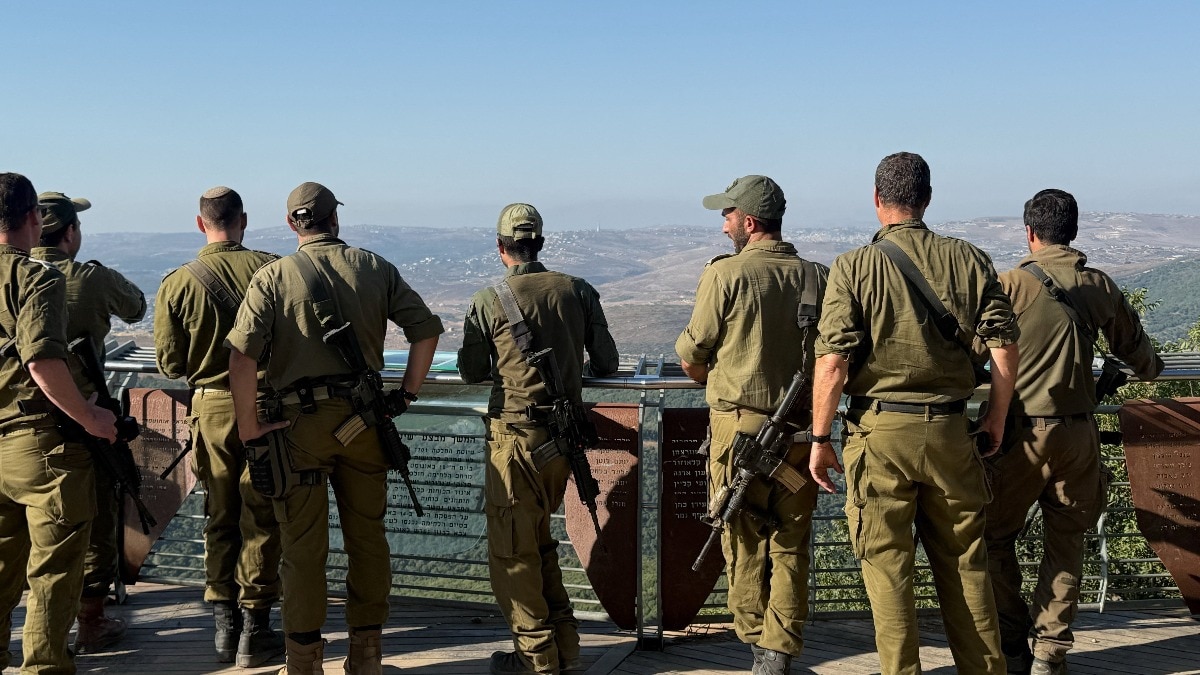
However, the situation on the ground tells a much more violent story. The Lebanese National News Agency (NNA) reported a surge in Israeli attacks, including artillery shelling in Meiss el-Jabal and drone activity over Beirut. Most concerning were reports of strikes targeting water utility workers in Bint Jbeil and an attack on a Lebanese army bulldozer in Tyre, which left a soldier injured.
Historical Background
The conflict between Lebanon and Israel has been characterized by decades of border skirmishes and proxy warfare. The June 26 "framework agreement" was intended to stabilize the region, but the recent resumption of intense strikes suggests that the underlying security concerns of both nations remain unresolved.
Frequently Asked Questions
1. What were the main topics of the Rome talks?
The talks focused on a ceasefire, border management, prisoner swaps, and the implementation of pilot zones.
2. Is there peace on the ground?
No, despite the diplomatic progress reported, Israeli military strikes continue to target southern Lebanon.