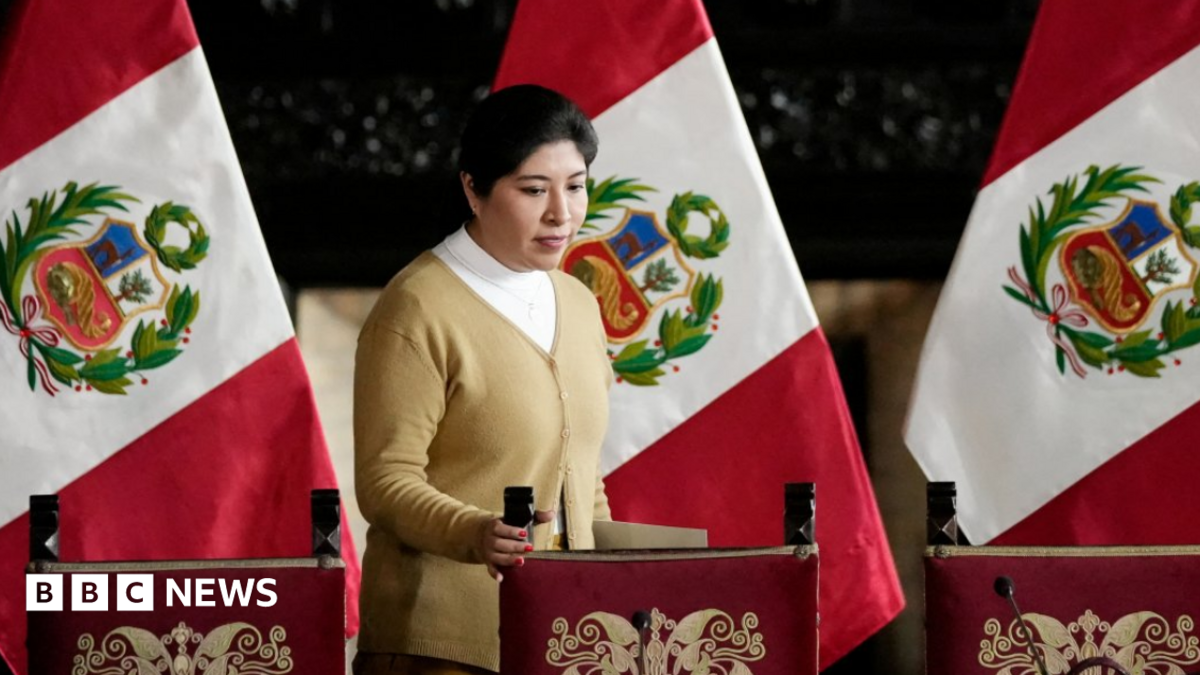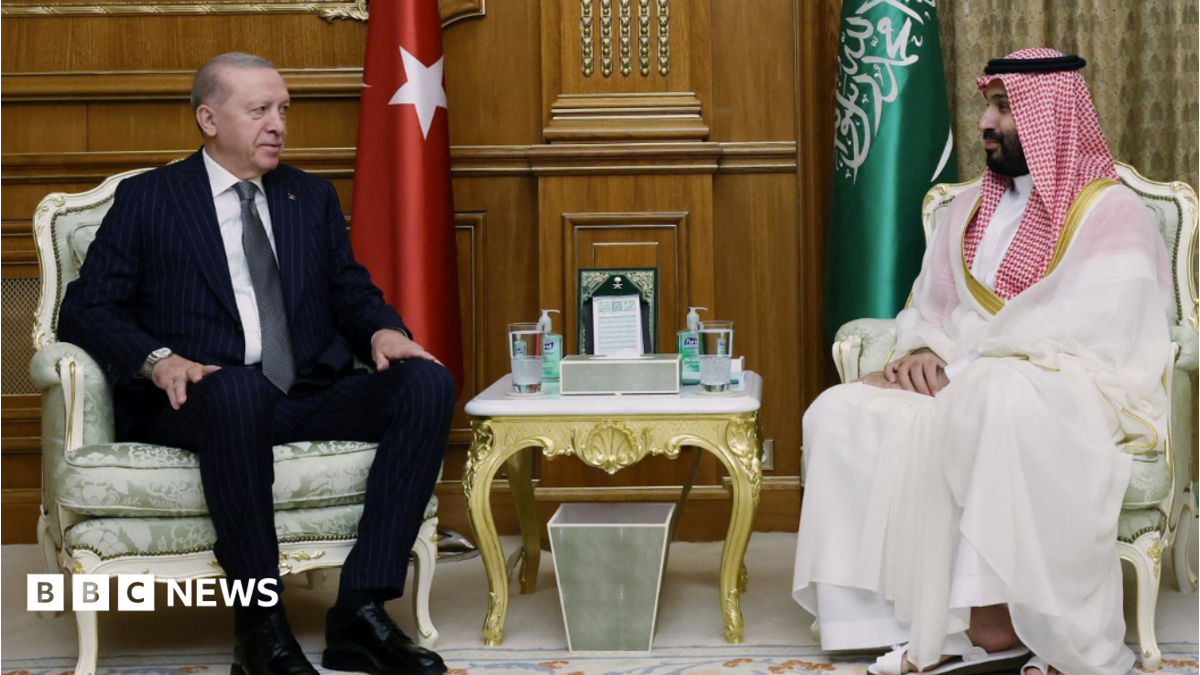
Foreign Minister Shisir Khanal announced Nepal's ambition to transform from a landlocked nation into a dynamic economic bridge connecting its two giant neighbors.
Key Takeaways
- Nepal seeks to transition from a landlocked nation to a 'dynamic bridge' between India and China.
- The focus has shifted heavily toward economic diplomacy, connectivity, and investment.
- Kathmandu emphasizes sovereign equality and mutual respect in its bilateral relations.
In a significant diplomatic pivot, Nepal's Foreign Minister Shisir Khanal has expressed the nation's ambition to evolve from a landlocked country into a "vibrant, dynamic bridge" connecting India and China. This strategic shift underscores Kathmandu's commitment to maintaining a delicate balance between its two most influential neighbors through enhanced connectivity and economic diplomacy.
Speaking at the international conference titled 'China and South Asia in a Multipolar World,' Khanal emphasized that Nepal welcomes the prosperity of both India and China. He stated that Nepal's foreign policy is rooted in the principles of "sovereign equality, mutual respect, and mutual benefit," ensuring sensitivity to the legitimate interests of both nations.
Why This Matters
BozokMedia analysis shows that this move is a calculated effort by the new government led by Prime Minister Balendra Shah to leverage Nepal's unique geography. Instead of being constrained by its landlocked status, Nepal is attempting to turn its position into a strategic asset for regional trade and transit.
Nepal is attempting to redefine its geography from a limitation to a massive economic opportunity.
The minister's recent high-profile visits to both New Delhi and Beijing serve as concrete evidence of this balancing act. By focusing on trade, tourism, technology, and sustainable development, Nepal aims to translate its geopolitical position into tangible economic growth for its citizens.
Historical Background
For decades, Nepal has navigated the complex geopolitical landscape of the Himalayas, balancing the interests of a democratic India and a rising China. The current administration's push for 'economic diplomacy' marks a modern evolution of this traditional neutrality, seeking active participation in the regional supply chain.
Frequently Asked Questions
1. What is Nepal's new diplomatic goal?
Nepal aims to transform into a dynamic economic and connectivity bridge between India and China.
2. How does Nepal plan to achieve this?
Through economic diplomacy, focusing on investment, trade, tourism, and infrastructure connectivity.