In a major geopolitical shift, Saudi Arabia, Turkey, and Pakistan have signed a joint defence agreement, declaring that an attack on one is an attack on all.
Key Takeaways
- Saudi Arabia, Turkey, and Pakistan have entered a formal tripartite defence alliance.
- The pact stipulates that an attack on any member state will be treated as an attack on all three.
- The agreement comes amidst escalating tensions between the US and Iran and maritime instability in the Red Sea.
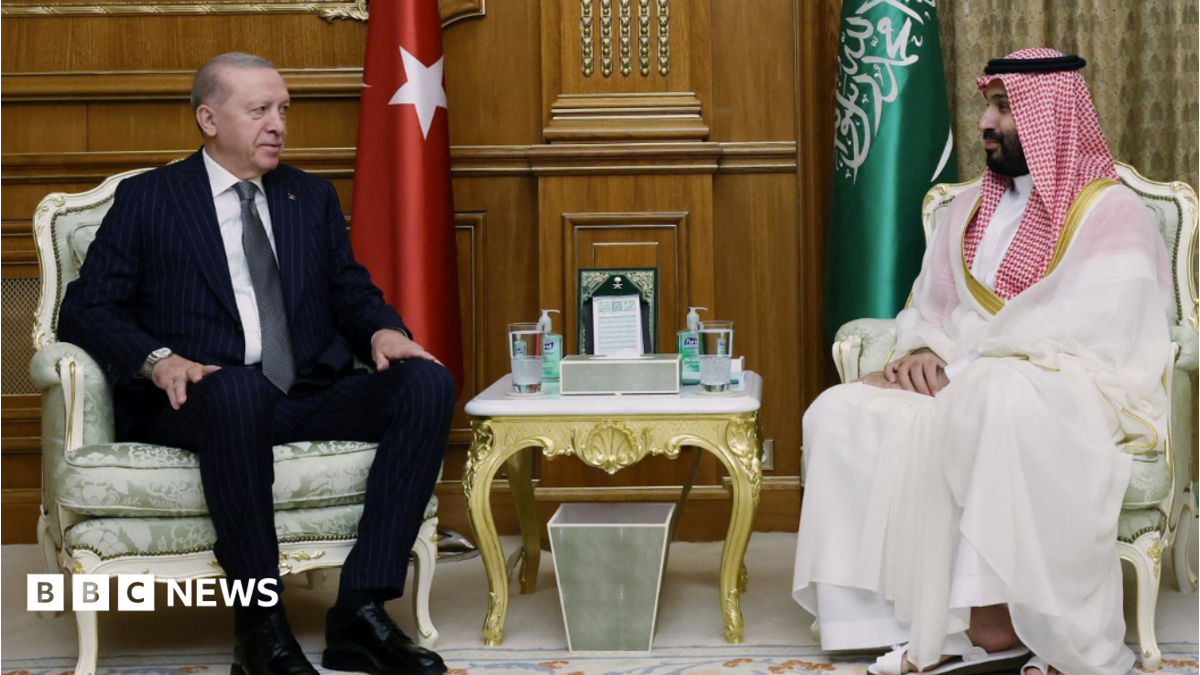
MECCA, Saudi Arabia: In a decisive move to reshape regional security, Saudi Arabia, Turkey, and Pakistan have officially signed a joint defence agreement. The landmark pact was announced during a high-level summit in the holy city of Mecca, attended by Saudi Crown Prince Mohammed bin Salman, Turkish President Recep Tayyip Erdogan, and Pakistani Prime Minister Shehbaz Sharif.
The Pakistani Foreign Ministry has emphasized the gravity of this alliance, stating that an attack on any of the three sovereign states "shall be regarded as an attack against them all." This mutual defense clause marks a significant escalation in military cooperation among these three influential nations.
Why This Matters
BozokMedia analysis shows that this alliance is a direct response to the volatile geopolitical landscape in the Middle East. With the ongoing friction between the United States and Iran and the disruption of vital shipping lanes in the Strait of Hormuz and the Red Sea, these nations are seeking to create a collective deterrent to protect their economic and territorial interests.
This pact effectively creates a new security axis that could fundamentally alter the balance of power in the Islamic world and beyond.
Historical Background
The foundation for this expanded cooperation was laid last year when Saudi Arabia and Pakistan announced their own bilateral defence pact. The inclusion of Turkey, a key NATO member with significant military influence, elevates this arrangement from a bilateral agreement to a powerful trilateral security framework.
Frequently Asked Questions
1. What does the 'attack on one is an attack on all' clause mean?
It means that if any one of the three countries is invaded or attacked, the other two are treaty-bound to consider it an attack on themselves and respond accordingly.
2. How does the US-Iran conflict influence this pact?
The instability caused by the US-Iran tension has heightened regional security risks, prompting these nations to seek collective defense mechanisms.