Iran has issued a fierce warning to the United States and Israel, stating they will not succumb to external pressures. President Pezeshkian emphasizes dialogue without surrender.
Key Takeaways
- Iran warned the US and Israel to 'stop dreaming' of controlling their trajectory.
- President Pezeshkian stated Iran is open to dialogue but refuses to surrender.
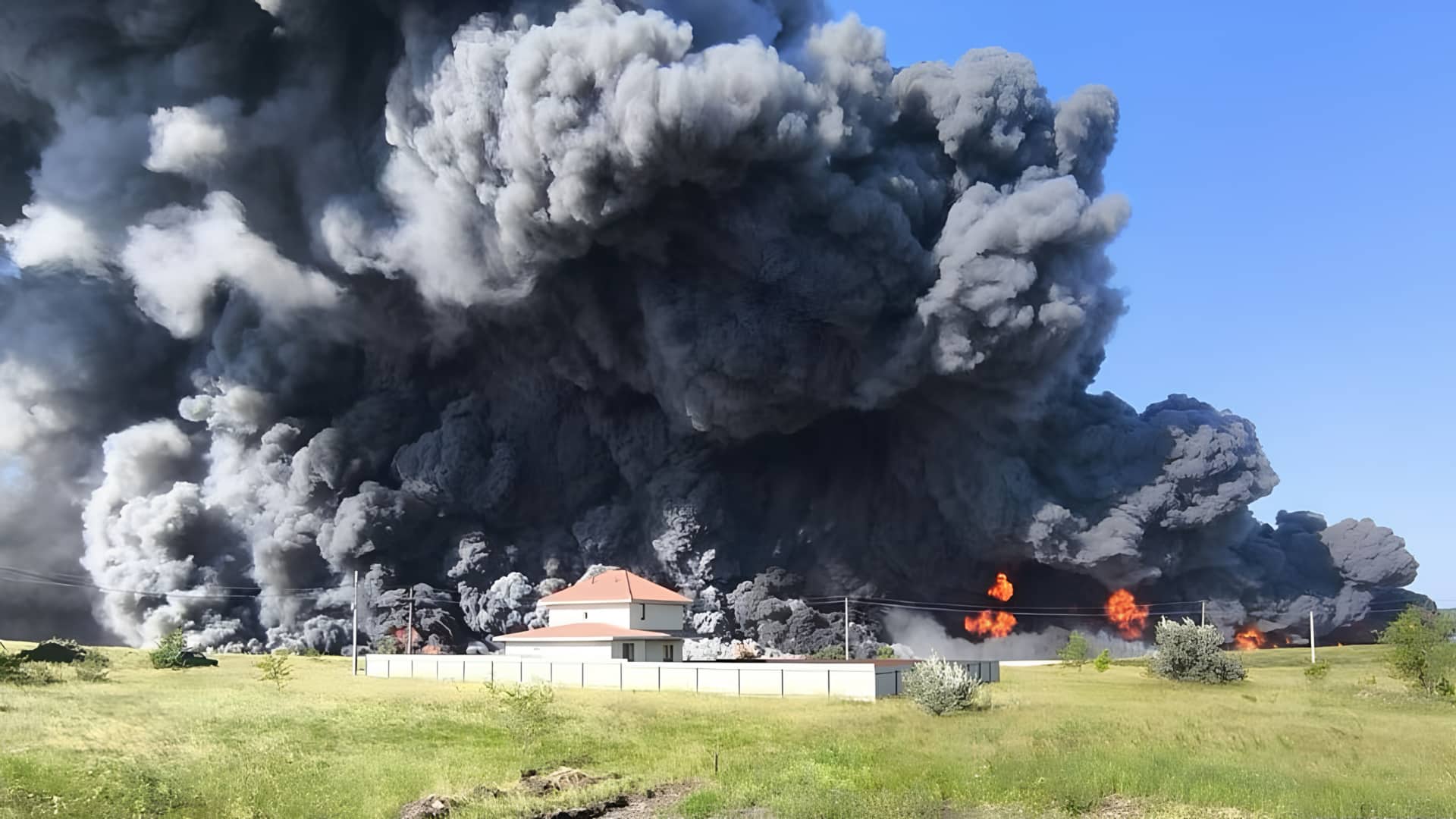
- Recent explosions near the Strait of Hormuz have heightened regional volatility.
In a significant escalation of rhetoric, Iran has issued a defiant warning to both the United States and Israel. The Iranian leadership has sent a clear message that the nation will not be intimidated by the shifting political landscapes in Washington or Jerusalem. This comes at a time of heightened uncertainty regarding the policies of Donald Trump and Benjamin Netanyahu.
Escalating Tensions in the Middle East
Iranian President Masoud Pezeshkian has clarified the nation's stance, noting that while Tehran remains open to diplomatic channels, it will not compromise its fundamental sovereignty. "Negotiations will continue, but we will not surrender," Pezeshkian stated, signaling a dual approach of diplomacy and resistance.
"Iran's aggressive rhetoric serves as a strategic deterrent intended to signal that any attempt to force compliance will result in severe regional consequences."
Why This Matters: BozokMedia Analysis
BozokMedia analysis shows that this isn't just political posturing; it is a direct response to the geopolitical shifts in the West. With recent explosions reported near the Strait of Hormuz, the threat to global energy security is palpable. Any direct conflict between Iran and Western-aligned powers could trigger a global economic shockwave.
Historical Background
The friction between Iran and the US dates back to the 1979 Islamic Revolution. Over decades, issues surrounding nuclear capabilities, regional influence, and support for proxy groups have turned the Middle East into a perpetual flashpoint for global superpowers.
Frequently Asked Questions
1. Who is the current President of Iran?
The current President is Masoud Pezeshkian.
2. What is Iran's stance on negotiations?
Iran supports dialogue but insists that negotiations must not lead to surrender or loss of sovereignty.