In a major geopolitical shift, Pakistan, Saudi Arabia, and Turkiye have signed a trilateral defence agreement stating an attack on one is an attack on all. The pact comes amid escalating West Asia tensions.
Key Takeaways
- Pakistan, Saudi Arabia, and Turkiye have entered a trilateral defence alliance.
- The pact stipulates that an armed attack on one member will be treated as an attack on all three.
- The agreement was signed in Mecca by Shehbaz Sharif, Mohammed bin Salman, and Recep Tayyip Erdogan.
- The move aims to bolster regional security amid rising tensions in the Red Sea and West Asia.
Prime Minister Shehbaz Sharif has returned to Lahore following a high-stakes official visit to Saudi Arabia, which culminated in a historic trilateral defence agreement. Signed at the Al-Safa Palace in Mecca, the pact involves Saudi Crown Prince Mohammed bin Salman and Turkish President Recep Tayyip Erdogan.
The core of this agreement is a mutual defense clause: any armed aggression against one of the three signatory nations will be viewed as an attack on the entire group. This pact seeks to expand military and defence cooperation across all sectors, providing a unified front in an increasingly volatile region.
Why This Matters
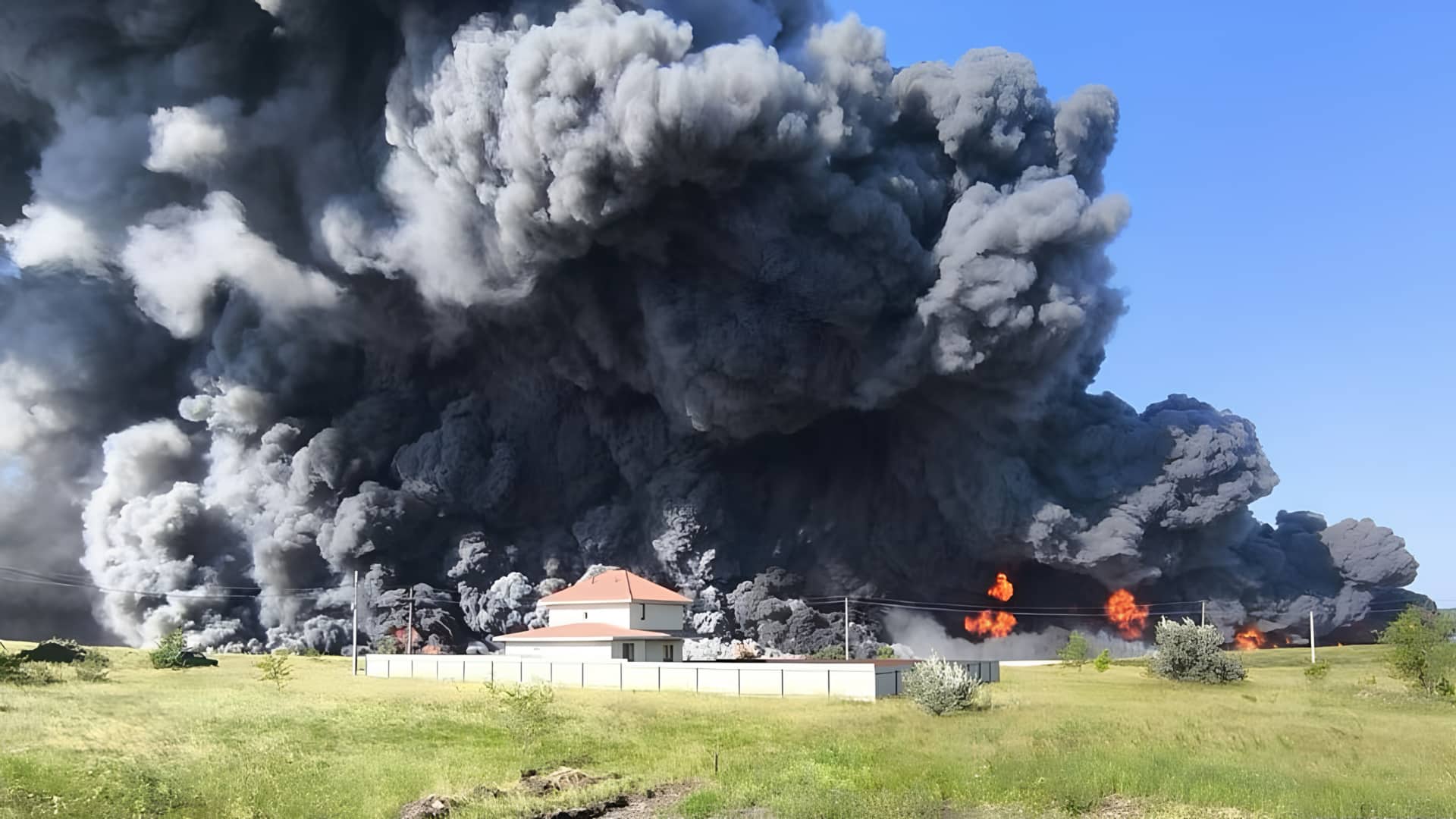
BozokMedia analysis shows that this alliance is a direct response to the widening conflicts in West Asia, particularly around the Red Sea and the Bab al-Mandeb Strait. As Gulf states face threats from regional skirmishes and maritime instability, this pact creates a powerful security corridor linking South Asia, the Middle East, and Eurasia.
This trilateral alliance marks a fundamental shift in regional security dynamics, potentially creating a new power bloc in the Middle East.
While opposition leaders like Fawad Chaudhry have noted that the agreement signals deep coordination between Islamabad, Riyadh, and Ankara, they have also urged caution. Chaudhry emphasized that the pact should not be perceived as anti-Iran, but rather as a mechanism to utilize Middle Eastern resources for enhanced collective defense capabilities.
Historical Background
This agreement builds upon the Strategic Mutual Defence Agreement signed between Pakistan and Saudi Arabia in 2025. For decades, Pakistan has attempted to navigate a delicate diplomatic path between the United States and Iran, and this new tripartite structure significantly complicates and strengthens its strategic position.
Frequently Asked Questions
1. What happens if one of these countries is attacked?
According to the pact, an attack on any one of the three nations will be treated as an attack on all three, triggering collective defense.
2. Does this pact target Iran?
While regional tensions are high, political leaders have stated that the agreement is intended for collective security and not specifically directed against Iran.