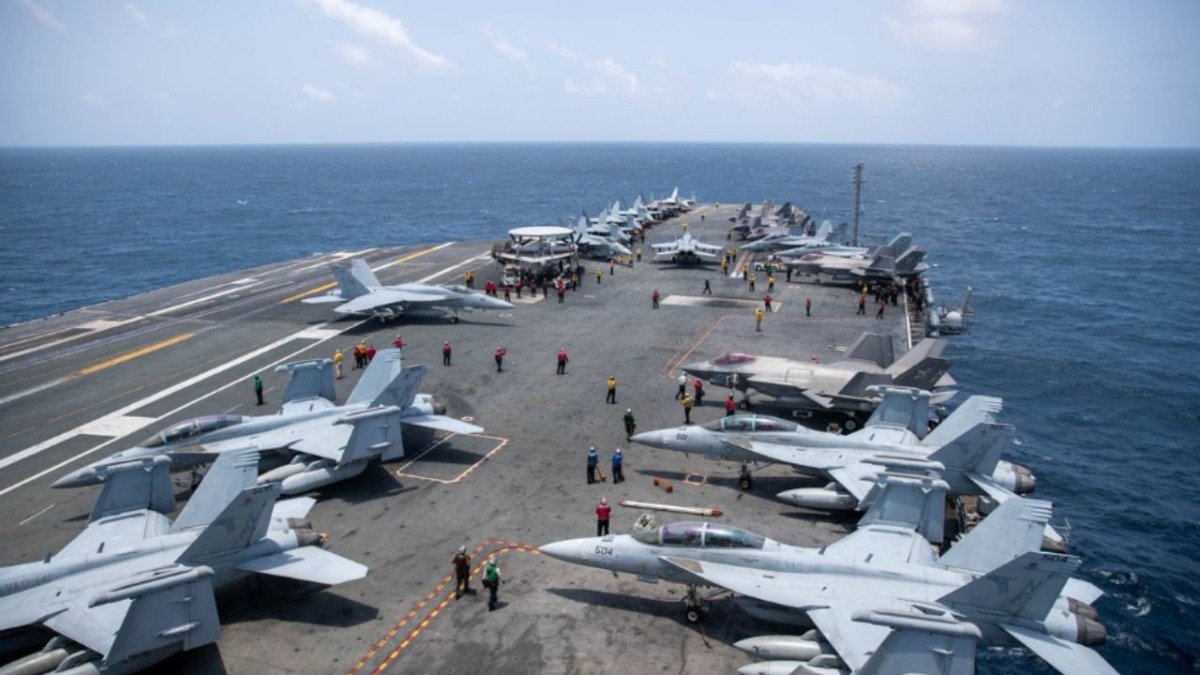
An Iranian strike on a UAE oil tanker in the Hormuz Strait reignited regional tensions. Tehran warned that without a shift in U.S. policy, a safe maritime corridor will remain out of reach.
Key Takeaways
- Iran targeted a UAE oil tanker in the Hormuz Strait
- Iranian officials demand a change in U.S. policy
- Shipping risks in the region have surged
New Iranian Attack
Iranian forces launched rockets and drones at a UAE‑flagged oil tanker navigating the Hormuz Strait, inflicting minor damage but no casualties. The strike marks another escalation in a waterway already fraught with geopolitical friction.
Tehran’s Firm Statement
Following the attack, Iran’s foreign minister declared, "Until the United States changes its stance, there will be no safe passage for ships in this region." The remark has amplified concerns among global traders and policymakers.
Historical Background
The Hormuz Strait, a narrow 33‑km channel, carries roughly 20% of the world’s oil shipments. In 2019, Iran similarly targeted a UAE tanker, prompting a spike in oil prices and a heightened U.S. naval presence to protect commercial vessels.
Why This Matters
BozokMedia analysis shows that any escalation in Hormuz directly impacts global oil markets and could force multinational corporations to reroute shipments, raising freight costs and influencing consumer prices worldwide.
"Continued tension in Hormuz endangers international shipping and serves as a warning bell for the global economy," says security expert Dr. Ali Ahmad.
Frequently Asked Questions
Question 1: Will the attack affect UAE’s oil exports?
Answer: Short‑term delays are possible, but most tankers will choose alternative, safer routes.
Question 2: Could this incident further sour US‑Iran relations?
Answer: Analysts believe the incident could deepen diplomatic stalemates and increase the risk of broader confrontation.