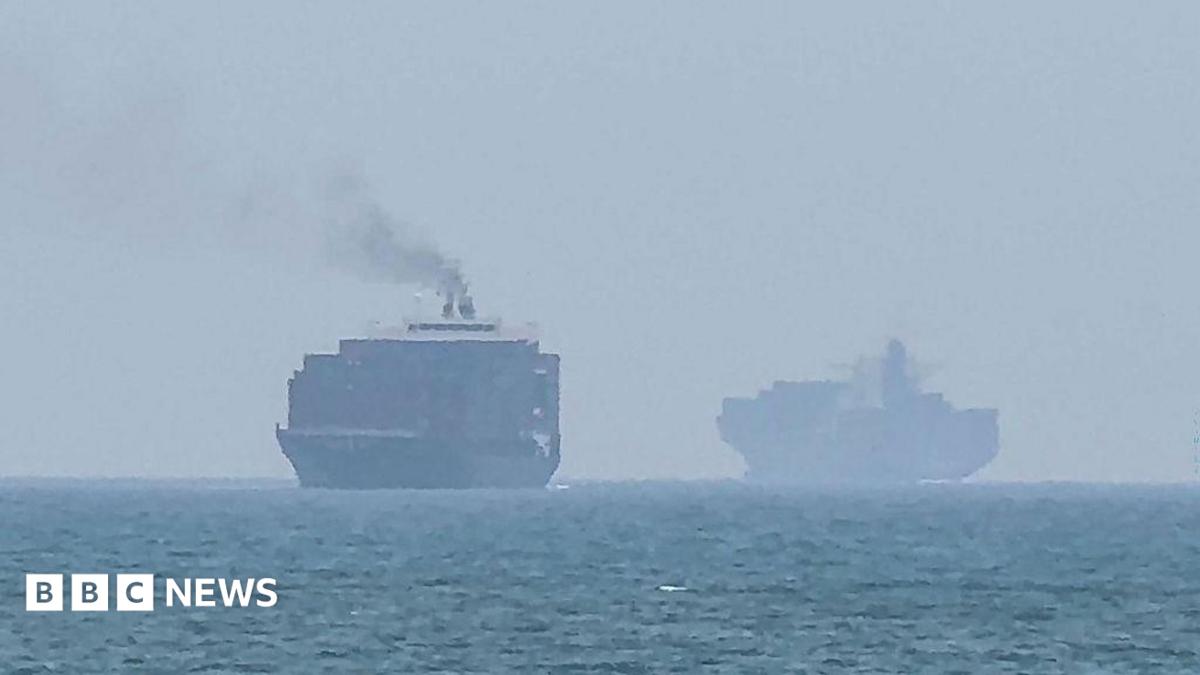
While Oman reports progress in discussions with Iran regarding a secure shipping route through the Strait of Hormuz, Tehran warns that reopening the vital waterway remains contingent on several unresolved conditions.
Key Takeaways
- Oman and Iran are in advanced discussions to establish a joint-responsibility shipping route.
- Iranian FM Abbas Araghchi stated reopening depends on 'other conditions,' including US compensation.
- The UAE reported a missile attack on an Adnoc-affiliated tanker.
- The Strait of Hormuz handles approximately 20% of the world's oil and gas flow.
Diplomatic efforts to stabilize the Strait of Hormuz have seen a glimmer of hope as Oman confirmed that talks with Iran regarding a secure maritime route are progressing positively. However, the path to a full reopening of this critical waterway remains fraught with geopolitical tension and unresolved demands from Tehran.
Iranian Foreign Minister Abbas Araghchi noted that while negotiations are in their final stages, the complete restoration of normal shipping traffic is "subject to other conditions." Tehran has maintained that any agreement must address perceived violations of previous peace understandings and include compensation from the United States.
Why This Matters
BozokMedia analysis shows that the Strait of Hormuz is perhaps the world's most critical maritime chokepoint. Any prolonged blockade or instability in this region creates an immediate ripple effect in global energy markets, potentially causing massive spikes in oil prices and disrupting international supply chains.
The stability of the Hormuz Strait is not just a regional concern; it is the cornerstone of global energy security.
Adding to the complexity, Iran's security chief, Mohammad Baqer Zolqadr, has demanded that the US fulfill six specific criteria, including the release of frozen Iranian assets and the lifting of naval blockades against Iranian ports, before any maritime normalcy is restored.
Escalating Maritime Threats
The diplomatic maneuvering comes amidst heightened physical risks. The United Arab Emirates (UAE) recently accused Iran of a "hostile attack" involving a missile strike on an Adnoc oil tanker. Simultaneously, the UK Maritime Trade Operations (UKMTO) reported an incident involving an unknown projectile striking a vessel near the coast of Oman, highlighting the volatile nature of the current maritime environment.
Frequently Asked Questions
1. What is the main sticking point in the Iran-US negotiations?
The primary issues involve Iran's demand for compensation and the release of frozen assets, alongside US concerns regarding maritime tolls and security.
2. How does the Strait of Hormuz affect global oil prices?
Because such a massive volume of oil passes through this narrow passage, any threat of closure leads to immediate market volatility and price increases.