In a landmark move, Saudi Arabia, Turkiye, and Pakistan have signed the 'Makkah Joint Defense Agreement,' establishing a mutual defense shield in response to regional instability.
Key Takeaways
- The 'Makkah Joint Defense Agreement' binds Saudi Arabia, Turkiye, and Pakistan.
- An attack on one signatory will be treated as an attack on all three.
- The pact focuses on intelligence sharing, logistics, and military training.
- Analysts view it as a strategic signal to contain regional adversaries like Iran.
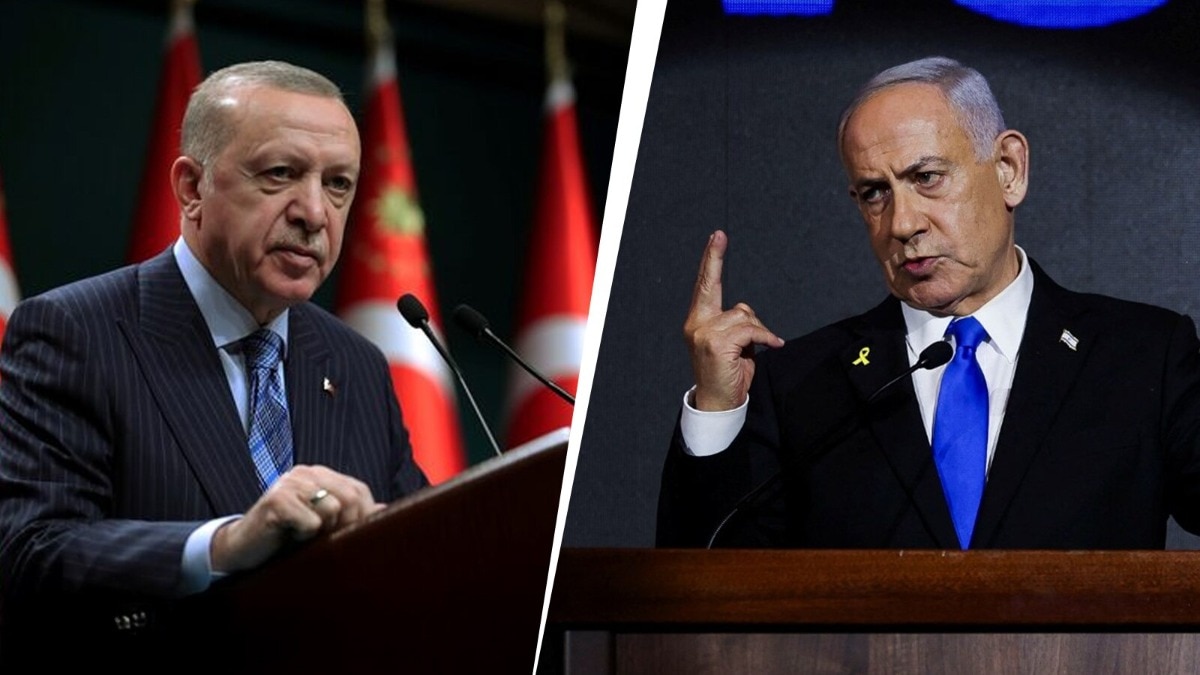
In a high-stakes diplomatic ceremony at the al-Safa Palace in Mecca, Saudi Crown Prince Mohammed bin Salman, Turkish President Recep Tayyip Erdogan, and Pakistani Prime Minister Shehbaz Sharif formalized a trilateral defense alliance. The ink on the 'Makkah Joint Defense Agreement' marks a significant shift in the geopolitical landscape of the Middle East and South Asia.
Why This Matters
BozokMedia analysis shows that while the pact avoids naming specific adversaries, its timing is critical. Signed amidst escalating tensions involving Iran and its regional proxies, the agreement functions as a 'strategic signal' rather than an immediate operational alliance. It is designed to create uncertainty for adversaries and strengthen collective deterrence without explicitly declaring war.
The agreement's value lies in creating uncertainty for adversaries and strengthening collective deterrence.
The synergy between the three nations is formidable: Turkiye brings NATO-standard military expertise, Pakistan contributes a battle-hardened military force, and Saudi Arabia provides the economic and strategic heart of the Gulf region.
Historical Background
The roots of this alliance trace back to 2022, when the three nations began operating a formal defense-industrial forum. The momentum grew following a bilateral Saudi-Pakistan pact in 2025, which eventually paved the way for Turkiye's inclusion as regional volatility increased.
| Feature | Bilateral Pacts (Previous) | Makkah Joint Pact (New) |
|---|---|---|
| Scope | Two-way cooperation | Trilateral collective defense |
| Trigger | Specific bilateral interests | Attack on one is an attack on all |
| Military Standard | Regional focus | NATO-standard integration |
Frequently Asked Questions
1. Does this pact target Iran directly?
The text does not name Iran, but security analysts suggest it is a move to contain Iranian influence and its network of non-state actors.
2. Can other countries join this alliance?
Yes, there is significant speculation that nations like Qatar and Kuwait may seek to join this expanding security network.