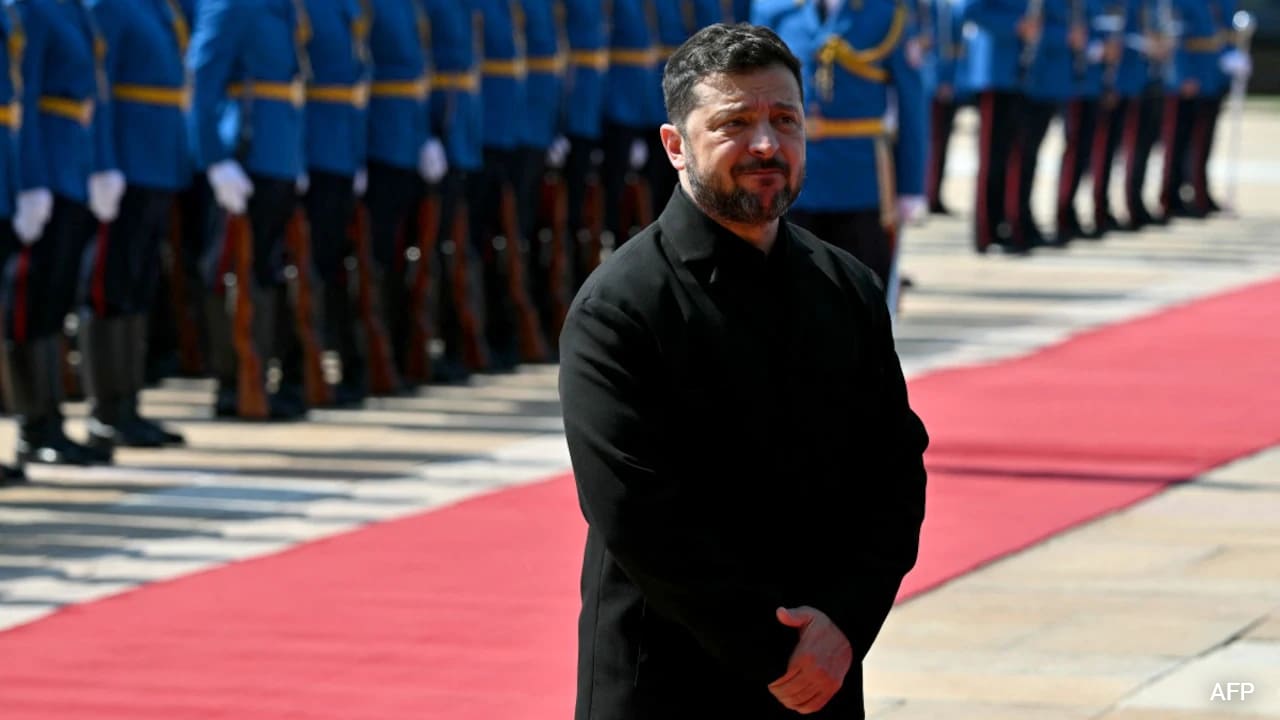
US intelligence assessments suggest that Russian President Vladimir Putin could initiate a limited incursion against NATO allies to test the bloc's unity and collective resolve. This potential move signals a dangerous escalation in geopolitical tensions.
Key Takeaways
- US intelligence warns of a potential limited Russian strike against NATO.
- The primary objective is to test the unity and political resolve of the alliance.
- The move could target NATO's strategic cohesion rather than starting a full-scale war immediately.
According to recent reports from U.S. intelligence agencies, Russian President Vladimir Putin may be contemplating a limited military incursion aimed at testing the strength and unity of the NATO alliance. This assessment comes amid rising tensions in Eastern Europe and growing concerns over Russia's long-term strategic intentions.
Testing the Bloc's Unity
The intelligence suggests that such an attack would not necessarily be a full-scale invasion but a calculated move to probe the vulnerabilities within the NATO alliance. By targeting specific allies or border regions, Putin aims to see whether the member nations will respond with a unified front or if internal political divisions will prevent a decisive collective action.
Why This Matters
BozokMedia analysis shows that any direct provocation against a NATO member could trigger Article 5, the alliance's collective defense clause. This would effectively force the United States and other major powers into a direct confrontation with Russia, significantly increasing the risk of a wider European or even global conflict.
The strategy is less about territorial conquest and more about dismantling the psychological and political cohesion of the Western alliance.
The geopolitical landscape has shifted dramatically since the invasion of Ukraine. While NATO has expanded its presence in Eastern Europe, the threat of hybrid warfare and limited kinetic strikes remains a primary concern for Western defense planners.
Frequently Asked Questions
Question 1: What is the goal of a 'limited attack'?
Answer: A limited attack aims to probe defenses and test political unity without immediately triggering a total war.
Question 2: Which regions are most at risk?
Answer: Eastern European NATO members, particularly those bordering Russia or Belarus, are considered high-risk zones.